How Dealer Hit or Stand on Soft 17 Affects House Edge
You sit at a blackjack table. Dealer shows 6. You have 12. The rules sign says 'Dealer Stands on Soft 17.' What does that mean, and why did it just cost you money?

It's Tuesday night. The MGM's blackjack floor hums with the sound of hundreds of simultaneous conversations and chips being riffled.
The dealer at table 7 is showing a 6. Every player at the table has busted or stood. The dealer's hole card is hidden. What's underneath will determine whether half the table goes home winners or losers.
The dealer's second card appears. It's an Ace and a 6. Soft 17. According to the rule on the placard, the dealer stands.
At the Bellagio across the street, a dealer in the same position hits a soft 17.
The difference between these two rule variations equals roughly 0.2% of the player's expected loss. Over a night, that's measurable money.
The Mathematics
A 'soft 17' is 17 with an Ace counted as 11. Ace-6 equals 17. But the 17 is 'soft' because the Ace can become 1, making it 8, and the dealer can hit without busting.
If the dealer stands on soft 17, they stop. If they hit, they must draw another card.
That card changes everything.
The Probabilities
A soft 17 can improve. An Ace or 2 makes 18. A 3 makes 19. A 4 makes 20. A 5 makes 21. Only 10-value cards (10, J, Q, K) force a bust.
There are 16 10-value cards per deck and 35 non-10-value cards. If the dealer hits soft 17, they bust roughly 30% of the time (16 out of 52 cards bust them). They improve 65% of the time.
This means a dealer hitting soft 17 has:
- 30% chance to bust (loses automatically)
- 65% chance to improve (reaches 18+)
- 5% chance to stay soft (Ace adjustment)
For the player, this is relevant: when you stand on 12-16, a dealer hitting soft 17 busts more often. You win more often.
Why This Varies
Casino profitability depends on player expectations. A casino using 'stands on soft 17' attracts players who don't read rule cards. A casino using 'hits on soft 17' attracts knowledgeable players, who then lose a fraction more per hand.
The difference is razor-thin. But thin differences compound.
Las Vegas Strip casinos often use 'stands on soft 17' in 6-deck games. Off-Strip casinos use 'hits on soft 17' to reduce competition. The strategy shifts based on local competition and player volume.
The Strategic Implication
If you're learning basic strategy (the mathematically correct play for each hand), soft 17 hitting or standing changes some recommendations.
With the dealer standing on soft 17, you hit 12-16 more aggressively against a 6, because the dealer is more likely to stand on a weak total.
With the dealer hitting soft 17, you hit 12-16 less aggressively, because the dealer will improve their soft 17 into 18+, and you need a strong hand to beat them.
Basic strategy charts account for this. 'Stand on soft 17' charts and 'hit on soft 17' charts are different.
The House Edge Reality
Dealers standing on soft 17: house edge roughly 0.62% (game-dependent). Dealers hitting on soft 17: house edge roughly 0.82%.
The 0.2% difference is the value of those soft 17 bust scenarios the player loses when the dealer hits.
Over a night of 100 hands at $25 average, that's roughly $5 additional loss if you're playing the wrong basic strategy for the rule variation.
Over a year, assuming weekly play, that's hundreds of dollars.
Why Most Players Miss This
The rule is printed on every table. Most players never read it. They play the game 'the way they've always played it,' oblivious to whether that aligns with the specific variation in front of them.
The casino counts on this. They profit from the ignorance gap.
The Professional Perspective
Card counters and advantage players track this variation explicitly. They favor games with 'stand on soft 17' because the edge is lower. They avoid 'hit on soft 17' games when alternatives exist.
This matters in markets with multiple casinos (Las Vegas, Atlantic City). It's less relevant in isolated markets where players have one option.
The rule is not deceptive. It's printed. But it's obscure enough that most players miss it, and that's exactly why casinos like it that way.
Next notes
More from #blackjack
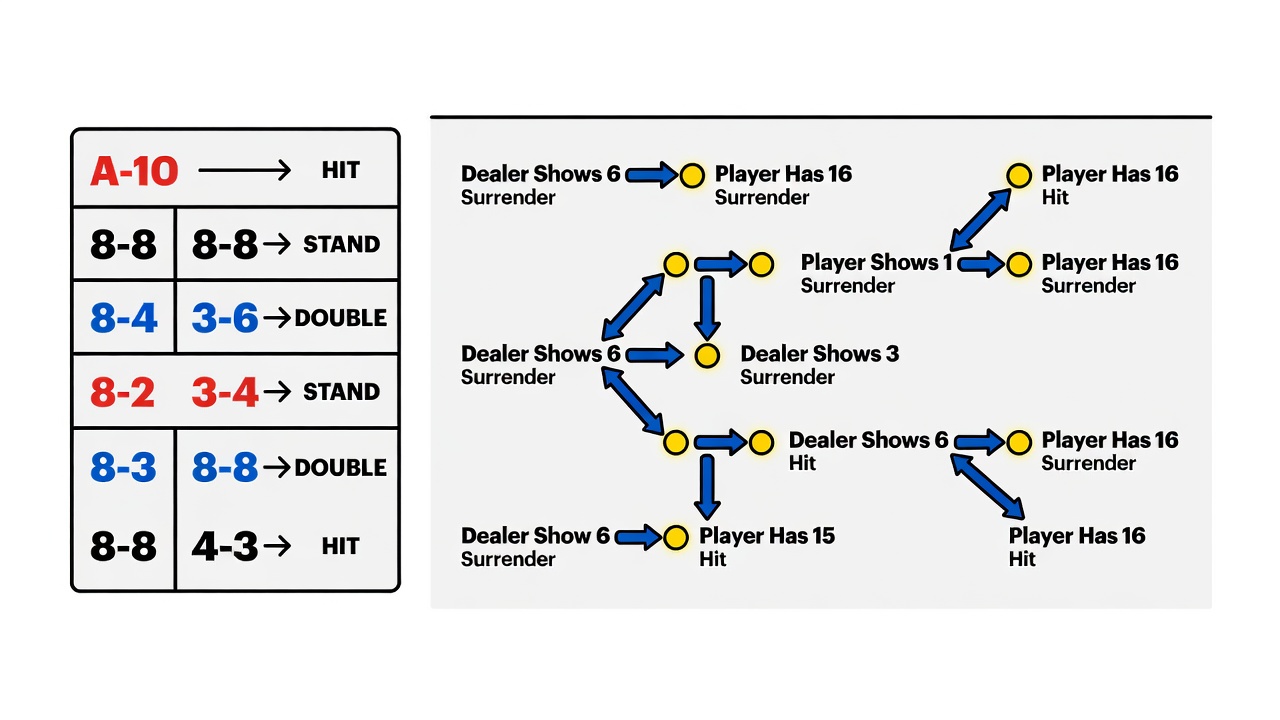
Best Ways to Practice Blackjack Strategy Before Playing for Real
Demonstrates why most people fail at this activity. best ways to practice blackjack strategy before playing for real requires both knowledge and discipline.
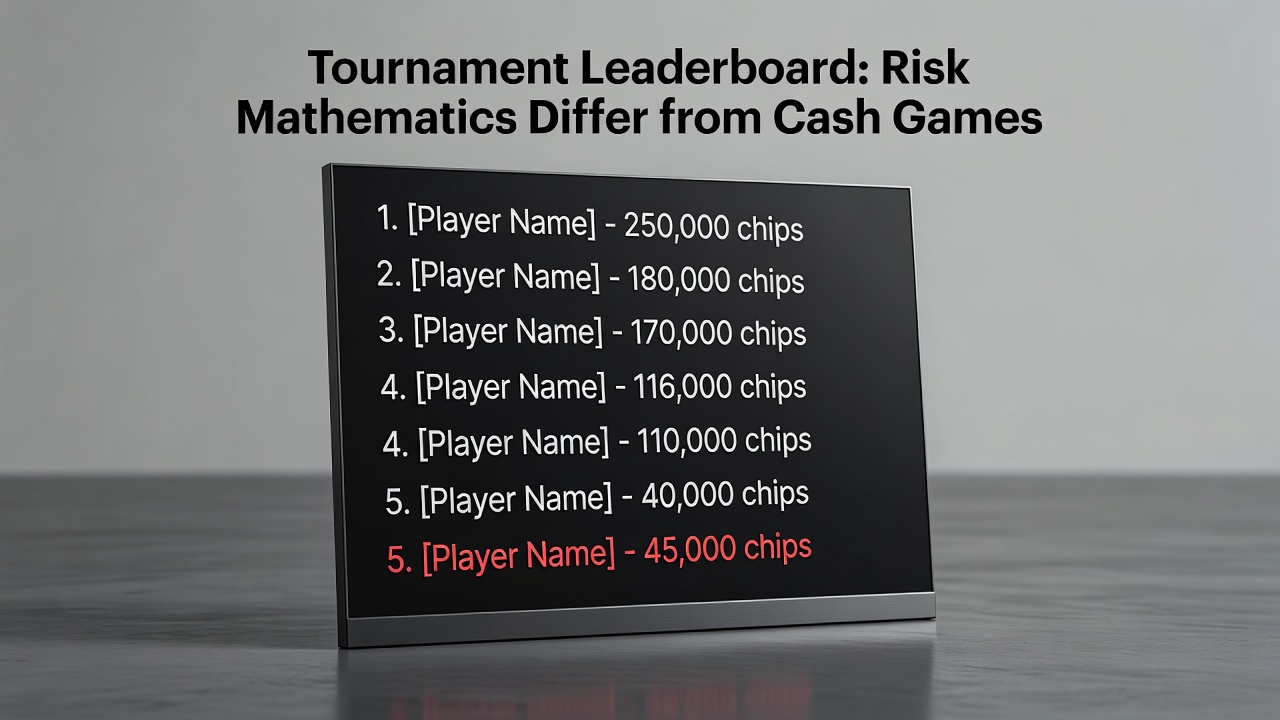
Tournament Blackjack: How Elimination Rounds Differ From Cash Play
In cash blackjack, you're optimizing for long-term wealth accumulation. In tournament blackjack, you're optimizing for position relative to competitors. The math is different. The strategy is different. Many players don't adjust.
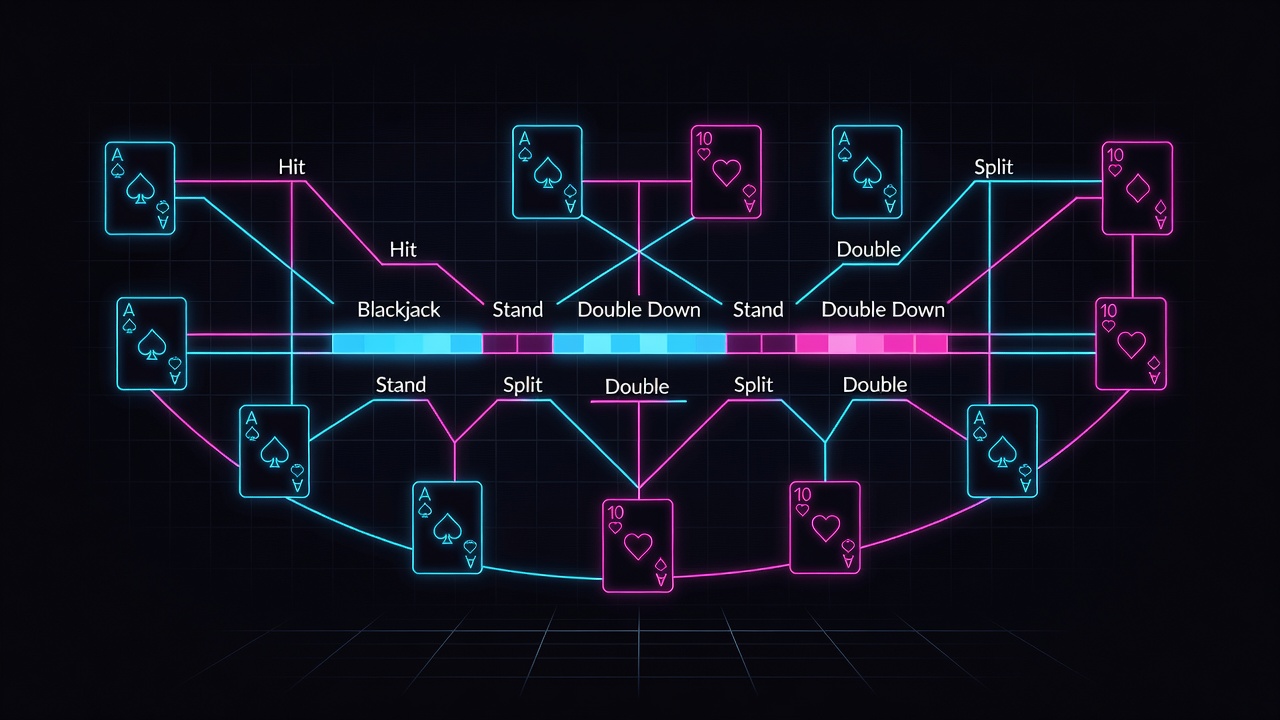
The Kelly Criterion Applied to Blackjack Bet Sizing
The Kelly Criterion is a formula for optimal bet sizing. Blackjack has an edge. Apply Kelly and you get bet sizes that change dynamically.
Beat the Dealer: Edward Thorp's Book That Changed Gambling
Edward Thorp proved that a game with rules could be beaten. Not through luck, through mathematics. What does this tell us about games in general.
The MIT Blackjack Team: How Card Counters Beat the House
The MIT Blackjack Team made millions counting cards. They were not geniuses. They just understood the math better than the casinos did.
The Birth of Nevada Gambling: The 1931 Legalization Explained
On March 19, 1931, Nevada legalized gambling to raise tax revenue during the Great Depression. The move created an industry that has not stopped growing. No state has ever successfully banned gambling after legalizing it.