Allen Iverson's Casino Bans: What the Reports Actually Say
Public records from Nevada gaming authorities show Iverson was excluded from casinos in 2012. The reasons were never fully disclosed, but the timeline reveals something about how exclusion actually works.

In June 2012, Allen Iverson was placed on Nevada's exclusion list. This is a public record. The Nevada Gaming Control Board maintains this list. Casinos are required to check it. Anyone on the list cannot enter. The entry on Iverson's file does not specify the reason. The Gaming Board's policy is to identify reasons in the most general terms: gaming debt, gaming-related behavior, prohibited activity, and so forth.
What we know comes from media reports at the time. Iverson had incurred significant gaming debts. The debts went unpaid. Casinos in Las Vegas made the exclusion decision in coordination with the Gaming Control Board. The board approved it. Iverson was now banned from all casinos in Nevada.
The phrase "gaming debt" requires unpacking. A casino extends credit to a player. The player loses. The player does not pay. This is not unusual. Casinos manage these situations constantly. Sometimes they pursue collection. Sometimes they accept the loss. In Iverson's case, the debt was substantial enough that casinos coordinated an exclusion.
Exclusion is a regulatory tool. It is not meant to be punitive. It is meant to be protective. The state is protecting the player from themselves and protecting the casinos from further loss. An excluded person cannot easily wager. They cannot use their credit. They cannot access the property. The regulation is blunt but effective.
The Details of the Official Record
Iverson's exclusion was not a single casino decision. It appears to have been a unified action across multiple properties. This suggests coordination. The Gaming Control Board likely brought the properties together. The board likely presented the exclusion as necessary. The properties accepted.
Here's what gaming regulations actually say:
A casino can exclude a player unilaterally for almost any reason related to gaming. Most exclusions are voluntary. A player requests it. A player's family requests it. Gaming Control Board recommends it. In Iverson's case, the exclusion appears to have been recommended or required by the board based on public statements from casino representatives.
- Iverson's exclusion was lifted eventually. The timeline suggests it lasted several years.
- The lifting of the exclusion likely required Iverson's request and the Gaming Board's approval.
- The reasons for lifting are not public. Presumably, the debt was addressed or the Gaming Board determined the threat had subsided.
- Public records show the action happened. The reasoning stayed internal.
What's interesting about Iverson's case is not that he accumulated gaming debts. Professional athletes do this. What's interesting is that the casinos coordinated publicly. The Gaming Control Board involved itself. The message to other high-rollers was clear: accumulate substantial unpaid debts, and you will be excluded.
Iverson was eventually permitted to return to Nevada casinos. The exclusion was not permanent. This suggests that the Gaming Board views exclusion as a temporary intervention tool, not a permanent punishment. Once the conditions that triggered the exclusion (the debt, the behavior) were no longer present, the exclusion ended.
The public record on Iverson is thin. Most details come from sports journalism and entertainment media, not gaming records. The official records from Nevada are minimal. This is by design. Gaming regulatory information is shared on a need-to-know basis. The public learns what the Gaming Board decides to disclose. The rest remains confidential.
Next notes
More from #famous-players

Richard Marcus: The Infamous Past-Poster and Casino Cheat
Richard Marcus spent his life buying possibilities, not just in the lottery, but in the spaces between rules where people aren't looking.

Kirk Kerkorian: The Quiet Billionaire Who Built Vegas Three Times
Kirk Kerkorian understood a fundamental truth about Las Vegas: the game is real estate, not gaming. Gaming is the excuse that gets people into the buildings.

Wayne Newton's Vegas Legacy and Casino Residencies
The entertainer spent more time in Las Vegas than most residents. Here's what his residency model tells us about casino hospitality architecture.
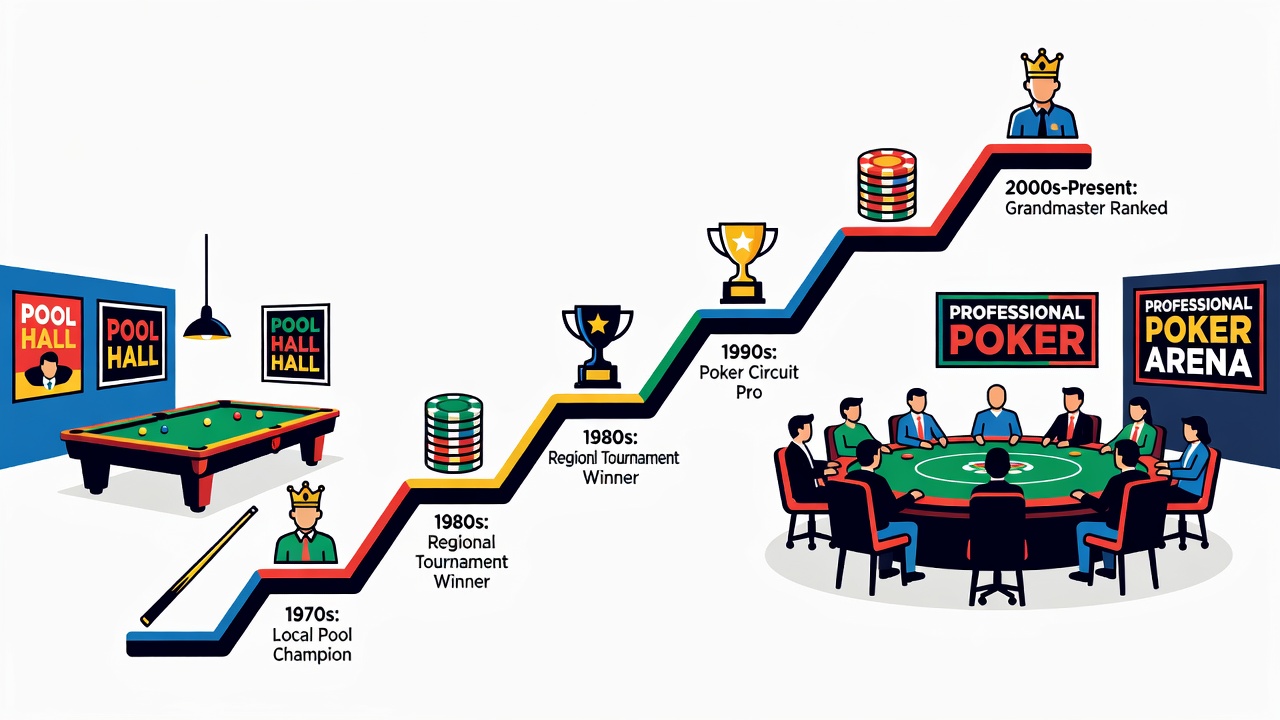
Daniel Negreanu: From Toronto Pool Halls to Poker Royalty
Daniel was shooting pool in Toronto in the early 1990s. Made maybe forty grand a year. By 1997, he'd figured out poker. By 2000, he was beating the best players in the world. That's a ten-year arc from regional operator to world-class grinder.

Tiger Woods and the High-Stakes Blackjack Tables of Vegas
Between 2000 and 2009, Tiger Woods was frequently photographed entering the casinos of Las Vegas. Public records show he gambled in private high-limit rooms. The amounts are documented. The outcomes are not.

Omar Sharif: Bridge Champion and Hollywood's Greatest Card Player
Omar Sharif was a world-class bridge player and a serious gambler. His career in gambling reveals something about the gap between Hollywood and the card room floor.