Richard Marcus: The Infamous Past-Poster and Casino Cheat
Richard Marcus spent his life buying possibilities, not just in the lottery, but in the spaces between rules where people aren't looking.
I spend two dollars a week on lottery tickets. That's about a hundred dollars a year to dream about early retirement in the time it takes to check the numbers Wednesday and Saturday mornings. I've never won more than a hundred dollars. I understand the math. I don't win. The lottery wins. And yet I keep buying.
Richard Marcus understood something similar about casino games, except he took it one step further. He didn't just accept the rules. He imagined himself as the person who could find the spaces between them.
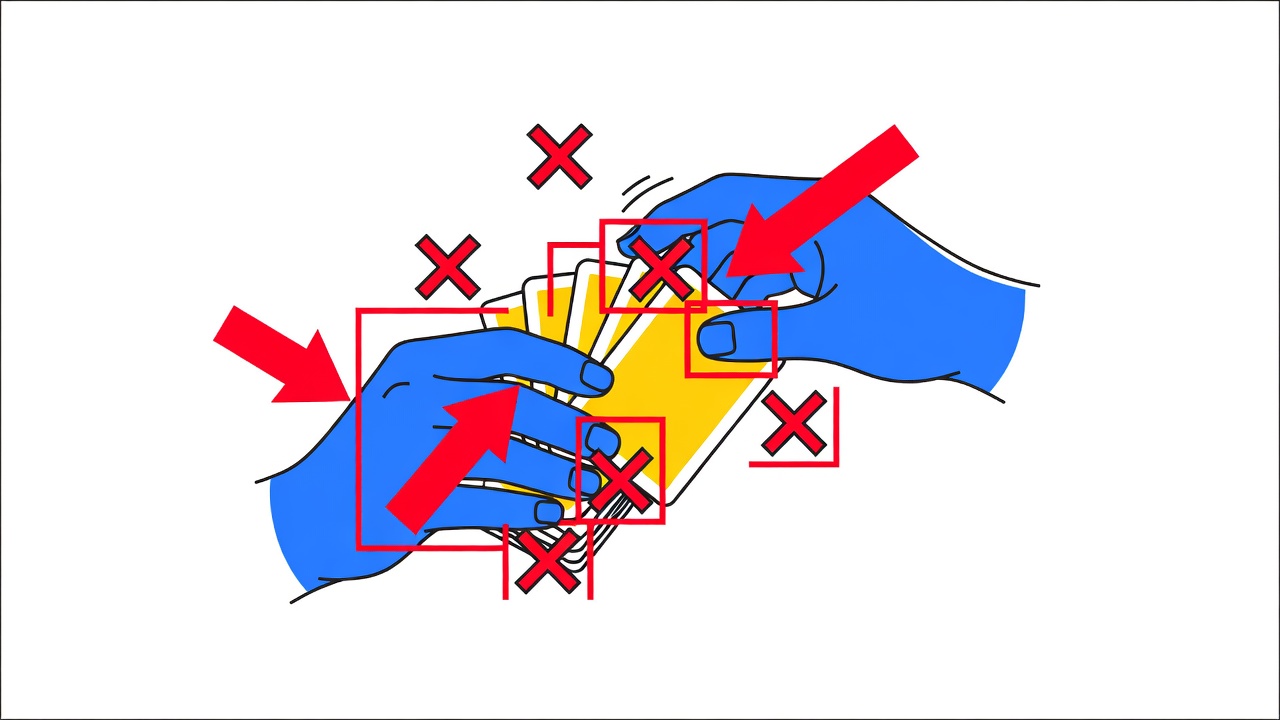
Marcus was a past-poster. The mechanic is simple. A player places a small bet on a roulette number. The ball is in the air. Marcus watches to see where the ball is heading. Just before the croupier announces "no more bets," Marcus places a large bet on the number where the ball is heading. He's not predicting the future. He's reading the present moment and acting on information the croupier hasn't officially closed off yet.
For years, it worked. Casinos are designed to prevent this. The croupier calls "no more bets" when the ball reaches a certain point on the wheel. But human timing is imperfect. There's a window. In that window, a skilled player can move and place a bet. Marcus was skilled. He was also patient. He worked casinos systematically, hitting the same tables with the same method, building relationships with dealers and floormen.
What Changed When He Got Caught
Eventually casinos adapted. They trained dealers to call "no more bets" earlier. They installed additional camera angles. They hired former cheaters like Marcus to consult on security. The advantage that existed briefly closed. Marcus adapted by scaling. He brought in a team. They practiced. They coordinated. They hit bigger games. They won bigger pots.
Here's the structure that made it work:
Marcus played the same casino multiple times, building familiarity. He positioned himself to build relationships with specific dealers and floormen. He placed small losing bets when he wasn't in position to past-post, to establish himself as just another player. When he was in position, he made the move. The payout covered his losses and then some.
- Casinos eventually caught him through surveillance review, not during play.
- The prosecution was for theft by deception and fraud, not gambling violations.
- Marcus served time and eventually became a consultant, helping casinos fix the vulnerability he'd exploited.
- The window he found closed permanently once he was caught.
Why did I think of Marcus when contemplating my weekly lottery ticket? Because we're both engaging in a form of wishful thinking. He thought he'd found a way to beat the game. I think buying the ticket is somehow different from not buying it, that the possibility is worth the cost. We're both imagining ourselves as special players who understand something the system doesn't account for.
The difference is scope and scale. I lose two dollars and buy another ticket. Marcus lost his freedom. The casino adapted. His advantage was real but temporary. The system always corrects for vulnerability. The only unbeatable vulnerability is not playing. But where's the romance in that. I buy my lottery ticket next Wednesday. Some part of me wants to believe there's a Marcus-like opening I haven't seen, a way the system miscounts, a moment I can slip through. The lottery takes my two dollars, and I get seventy-two hours of possibility. Marcus got prison.
Next notes
More from #famous-players

Allen Iverson's Casino Bans: What the Reports Actually Say
Public records from Nevada gaming authorities show Iverson was excluded from casinos in 2012. The reasons were never fully disclosed, but the timeline reveals something about how exclusion actually works.

Kirk Kerkorian: The Quiet Billionaire Who Built Vegas Three Times
Kirk Kerkorian understood a fundamental truth about Las Vegas: the game is real estate, not gaming. Gaming is the excuse that gets people into the buildings.

Wayne Newton's Vegas Legacy and Casino Residencies
The entertainer spent more time in Las Vegas than most residents. Here's what his residency model tells us about casino hospitality architecture.
Daniel Negreanu: From Toronto Pool Halls to Poker Royalty
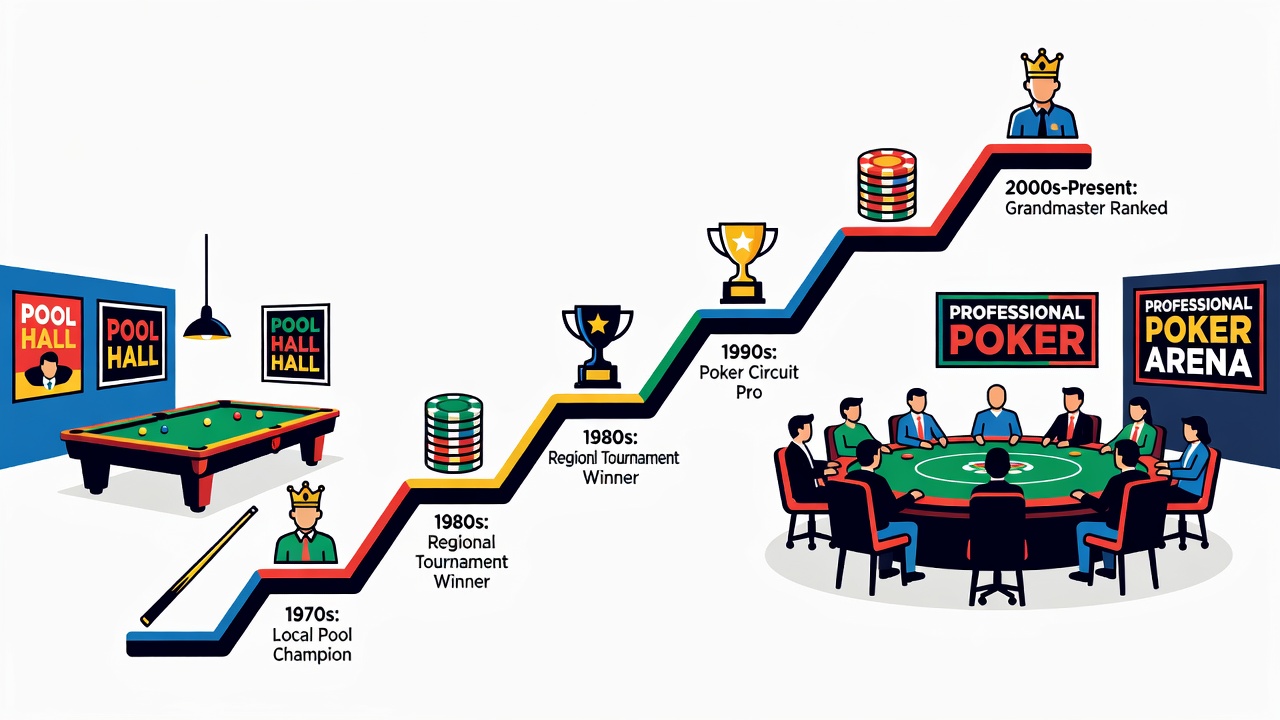
Daniel was shooting pool in Toronto in the early 1990s. Made maybe forty grand a year. By 1997, he'd figured out poker. By 2000, he was beating the best players in the world. That's a ten-year arc from regional operator to world-class grinder.

Tiger Woods and the High-Stakes Blackjack Tables of Vegas
Between 2000 and 2009, Tiger Woods was frequently photographed entering the casinos of Las Vegas. Public records show he gambled in private high-limit rooms. The amounts are documented. The outcomes are not.
Omar Sharif: Bridge Champion and Hollywood's Greatest Card Player
Omar Sharif was a world-class bridge player and a serious gambler. His career in gambling reveals something about the gap between Hollywood and the card room floor.