AML Compliance in Online Gambling: A Plain-English Explainer
A gentleman arrived at the table with a suitcase full of cash. We took it. We processed it. We reported it. Now everyone knows who he is. AML compliance is not about judging the player. It is about documenting the money.

AML stands for Anti-Money Laundering. It is a regulatory framework designed to prevent criminals from disguising the origin of illegal money by routing it through casinos and financial institutions.
For a casino, AML is a compliance requirement. You must know your customer (KYC). You must report suspicious activity (SAR). You must file Currency Transaction Reports (CTR) for large deposits. Failure to comply results in fines in the hundreds of millions of dollars.
The Framework
When a player opens an account at a regulated casino (MGA, UKGC, Curaçao, Nevada), they provide identification. Name, address, date of birth, sometimes occupation.
The casino verifies this ID. They check it against government databases. They confirm the person is real.
Then the casino places the player in a risk category: low, medium, or high.
A retiree opening an account with 5,000 dollars is low risk. A businessman opening an account with 100,000 dollars is medium risk. A player from a high-risk country depositing via cryptocurrency is high risk.
Deposits and Withdrawals
When a player deposits 10,000 dollars, the casino files a Currency Transaction Report (CTR) with the relevant financial regulator. The report includes the player's name, address, ID, and deposit amount.
This is not secret. The regulator has the report. But the casino does not announce it to the player.
When a player deposits multiple times to avoid the 10,000 threshold (say, five deposits of 2,000 dollars each), the casino recognizes the pattern and files a Suspicious Activity Report (SAR). This is a red flag. The money might be proceeds from crime (money laundering), or it might be tax evasion (structuring).
What Triggers SAR
A SAR can be filed for:
- Structuring (multiple small deposits to avoid the 10,000 threshold).
- Round-tripping (deposit, play briefly, withdraw immediately; suggests not actual gambling).
- Unusual geographic patterns (a player from a country with sanctions makes a deposit).
- Unusual frequency (a player who normally plays once a month suddenly plays every day).
Once a SAR is filed, the account is usually locked pending review. The player might not be able to withdraw for days or weeks. This is standard compliance procedure.
Why Casinos Are Hostile to Large Cash Deposits
A player arrives with 50,000 dollars in cash. The casino takes it. But the casino also has to document it, report it, and potentially explain it.
If the casino is regulated by MGA or UKGC, this is straightforward. If the casino is regulated by Curaçao, the process is less strict. If the casino is unregulated, the casino might just take the money and move on.
Most regulated casinos prefer wire transfers or credit cards because these create a paper trail that the casino can verify. Cash is suspicion-inducing.
The Player's Perspective
A player does not think of AML when they gamble. They just want to play. But AML compliance is there, running silently in the background.
The player places a bet. The casino's system checks: is this bet consistent with this player's history? Are they betting more than usual? Are they betting on sports betting and slots, which suggests they are chasing losses?
The system flags suspicious patterns. A human reviews them. The casino decides: is this a problem?
Most players never know they are being flagged. But they are.
The Tension
AML compliance is designed to prevent crime. But it also punishes legitimate players. A player who wins large amounts and tries to withdraw might be locked out while the casino verifies the source of the winnings.
The player gets frustrated. "I won this money at your casino. Why are you questioning me?"
The casino's answer: "We need to verify that the money you deposited originally was legal. If you deposited money earned through crime and then gambled it at our casino, we are liable."
This is not accusation. It is precaution. AML compliance requires documentation, not judgment. The casino is not saying the player is a criminal. They are saying they have to document that the player is not.
The Effect
For a player, AML means:
- Provide ID and address to open an account.
- Expect verification time (1-7 days, sometimes longer).
- Accept withdrawal delays for large amounts (AML review can take days).
- Be prepared to explain unusual deposits or gambling patterns.
For a casino, AML means:
- Hire compliance staff.
- Build systems to detect suspicious activity.
- File reports with regulators.
- Face fines if compliance is inadequate.
The whole structure exists to prevent one thing: criminals using casinos to clean illegal money. It is onerous, but it is necessary.
Next notes
More from #crypto-casinos

Penny Slots Online Casino Math: Why 1 Cent Games Hold More
Nevada's revenue report shows 1 cent slots holding 9.06% of every dollar played, more than $1 machines. Here is what a penny spin really costs.

Stablecoin Payment Gateway: From Wallet to Settled Dollars
How a stablecoin payment actually settles: Stripe's 10,000 USD cap, final once the chain records it, no chargebacks, refunds back to your wallet as tokens.

Tron in Crypto Gambling: Why It's Popular for USDT Deposits
Tron carries something in its design that speaks to a particular kind of want. The want for speed. The want for certainty. The want for transactions that happen now.
The Difference Between Crypto Casinos and Traditional Online Casinos
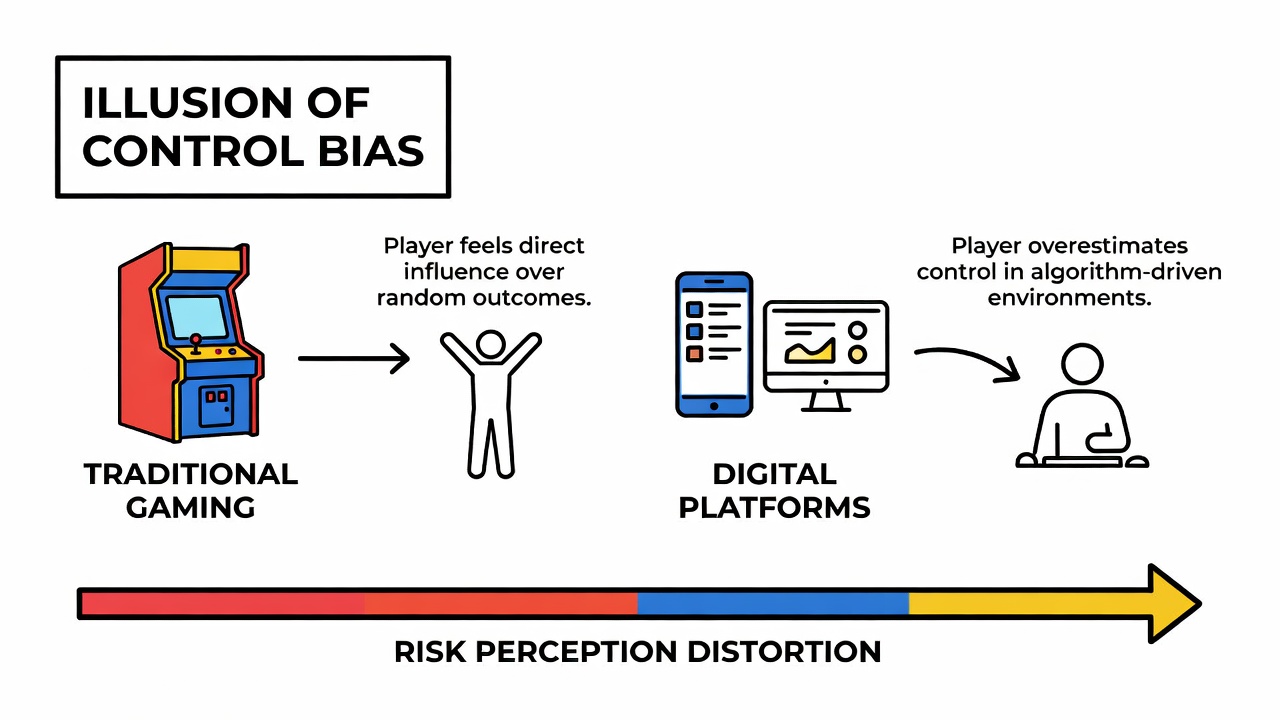
Kahneman and Tversky studied how people evaluate risk. Crypto casinos exploit one specific bias more effectively than traditional operators: the illusion of control.

Crypto Sportsbooks vs Crypto Casinos: Key Differences
The technical architecture between crypto sportsbooks and crypto casinos looks similar to the outsider. But the underlying systems are fundamentally different.
Crypto Deposits at Live Dealer Casinos: A Step-by-Step Walkthrough
The casino is a designed space, and every transaction flows through that design. Crypto deposits have altered the sightlines, but the principles remain unchanged.