Birthday Bonuses at Casinos: A Common Loyalty Perk Explained
My casino sends me a small token each year on my birthday. Twenty dollars in free play, or a ten spin bonus on a slot of their choice. Most players roll their eyes. I think the gesture deserves a more generous reading, because the gesture is what we are buying.
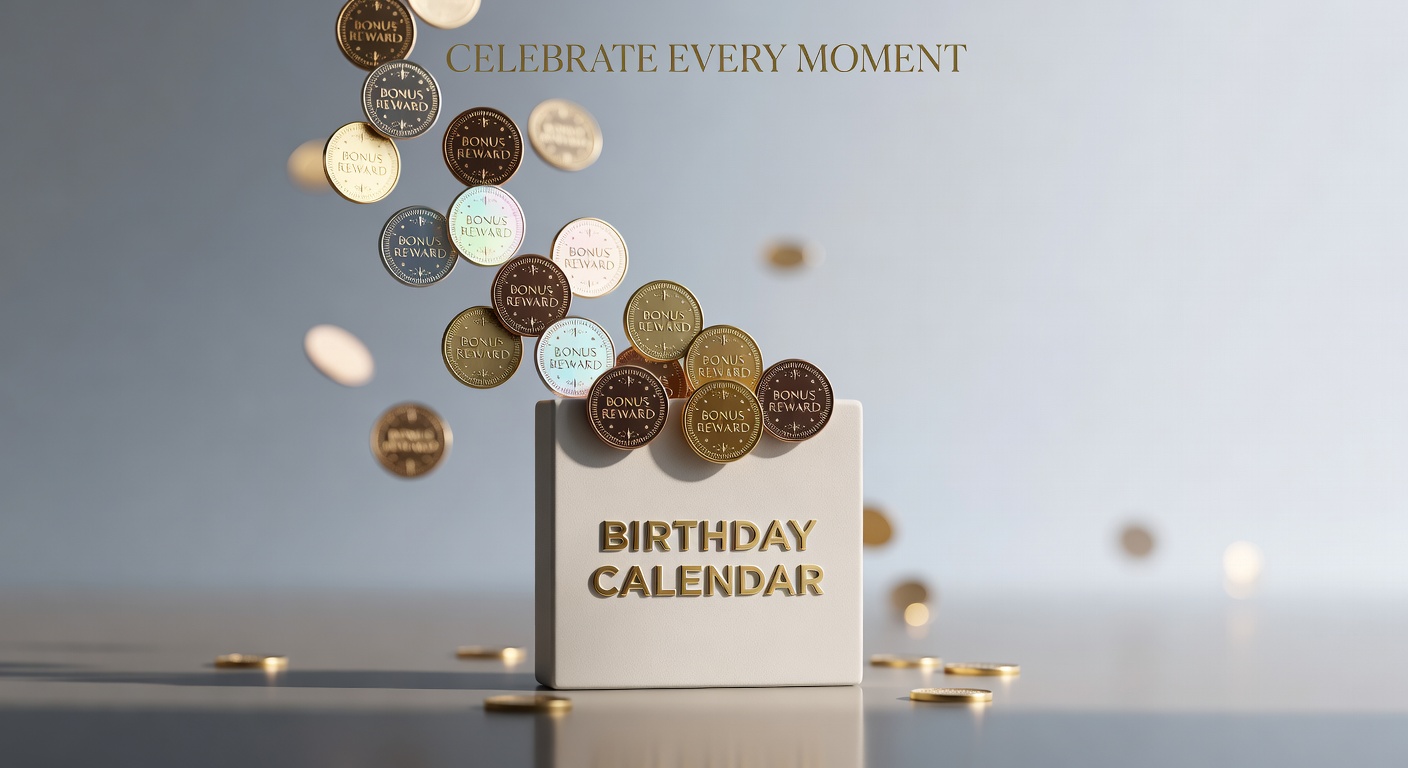
My casino sends me a birthday email. It arrives a few days before the actual day, with a twenty-dollar free play credit attached, and a note that says Happy Birthday in larger type than I think is strictly necessary. I am supposed to laugh at this, I suspect, and I do not quite laugh at it. I think it is worth more than most reviewers think it is worth.
The thesis of this short piece is that the birthday bonus is a small and unobjectionable example of what casinos do well, which is ritualize a date. The critical bettor will say the bonus has negligible monetary value and comes laden with wagering requirements. That is true. That is also beside the point.
What the Offer Actually Is
Casinos of every stripe, online and land-based, have adopted some version of a birthday reward over the past two decades. The standard offer contains several features that recur across operators with small variations.
- A small free-play credit, typically between ten and fifty dollars, depending on the player's loyalty tier
- A limited-time free spin allocation on a specific slot or a small selection
- Occasionally, for higher-tier players, a match on a deposit placed within the birthday week, often at 50 or 100 percent
- Sometimes a small physical gift, a piece of logo merchandise or a comp at an affiliated hotel, for land-based program members
- A personalized email, which is the part that most often makes the recipient smile or roll their eyes depending on temperament
The wagering requirements attached are real. A twenty-dollar free play with a 30x wagering requirement is a 600-dollar staked play before the balance converts to withdrawable cash. For most recipients, the play burns down to zero before the requirement is met, which is the expected outcome the casino has priced in.
The Critical Read
Now let me state the critical read in its strongest form, because I think it deserves to be stated clearly before I disagree with it.
The birthday bonus is a marketing gesture calibrated to deliver minimal value at maximum perceived warmth. The recipient feels remembered. The casino harvests engagement on a date when the recipient was already likely to be receptive to discretionary spending. The bonus conditions mean that the average recipient never converts the play into cash. The operator spends a few pennies of expected payout per email and receives, in exchange, a session of attention during which the recipient may deposit real money beyond the bonus. It is a cynical device wrapped in cake frosting.
That read is essentially accurate. I have no quarrel with it as a description. I have a quarrel with it as a conclusion.
Why I Accept the Bonus Anyway
Here is my contrarian defense.
The thing I buy, when I buy a two-dollar lottery ticket, is not a chance at wealth. It is seventy-two hours of licensed daydreaming. I get to walk through the mental furniture of what I would do if I had a million dollars. Buy my sister a house. Pay off my mother's mortgage. Build a studio in the back of the garage. The daydream is real. The ticket is the admission fee.
The birthday bonus operates on a smaller scale of the same economy. The offer arrives. I take a half hour on my birthday week and play twenty dollars of slots that I would not otherwise have played. I am not expecting the balance to convert. I am, briefly, a customer of an entertainment product at zero marginal cost beyond the time. Most years, the balance goes to zero and I close the browser. Occasionally, the balance runs up to forty or sixty dollars, which, once I have met any partial wagering that counts, I leave to play another time.
The monetary value is small. The ritual value is real. The operator knows this, and operates accordingly. I know this, and receive accordingly. The transaction is clean.
The Recommendation, Such as It Is
My defense is not a blanket endorsement. A player who is already struggling with compulsive play should probably not accept birthday bonuses, because any gesture of personalized warmth from a commercial entity operating at a house edge is, to that player, a trigger rather than a gift. The casino knows this, too. The better operators allow opt-out from promotional communications, and some jurisdictions now require it by default for self-excluded players.
For the recreational player who plays within a fixed entertainment budget, though, the birthday bonus is roughly what it appears to be. A small, formulaic, but still kind-enough gesture. A customer relationship gesture that scales to the smallest customer. I would rather live in a world where my casino remembers my birthday than one where it does not, in the same way I would rather live in a world where my barber knows my name than one where he does not. The commercial interest is real. The recognition, even so, counts for something.
So I take the twenty-dollar credit. I play it. I close the browser. I drink a coffee, and I notice that I am older, and I find, in that small moment of slightly absurd transaction, a calibration of the year that I did not have before. The casino paid for most of the calibration. The rest, I paid for. That seems about right.
Next notes
More from #bonuses
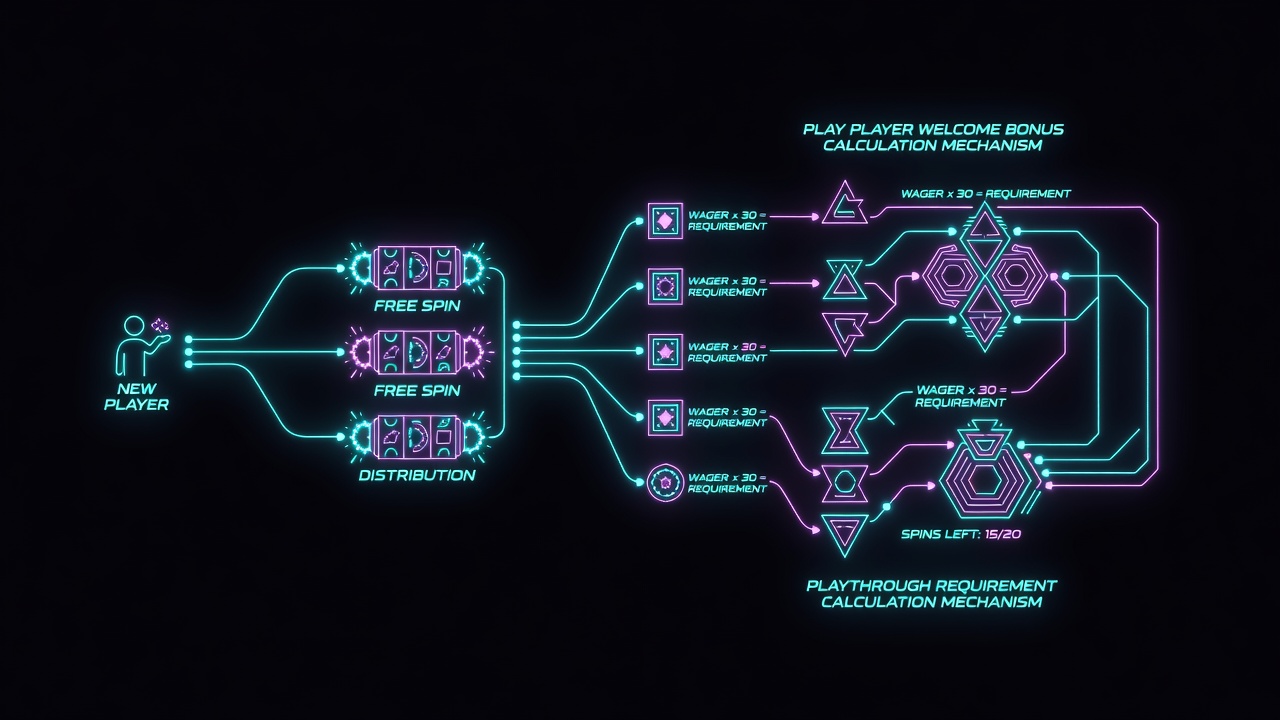
Free Spins on Registration: How They Typically Work
A casino hands you free spins when you join. A young man from Nevada sat down and played them. By the time they were done, he understood something about generosity.
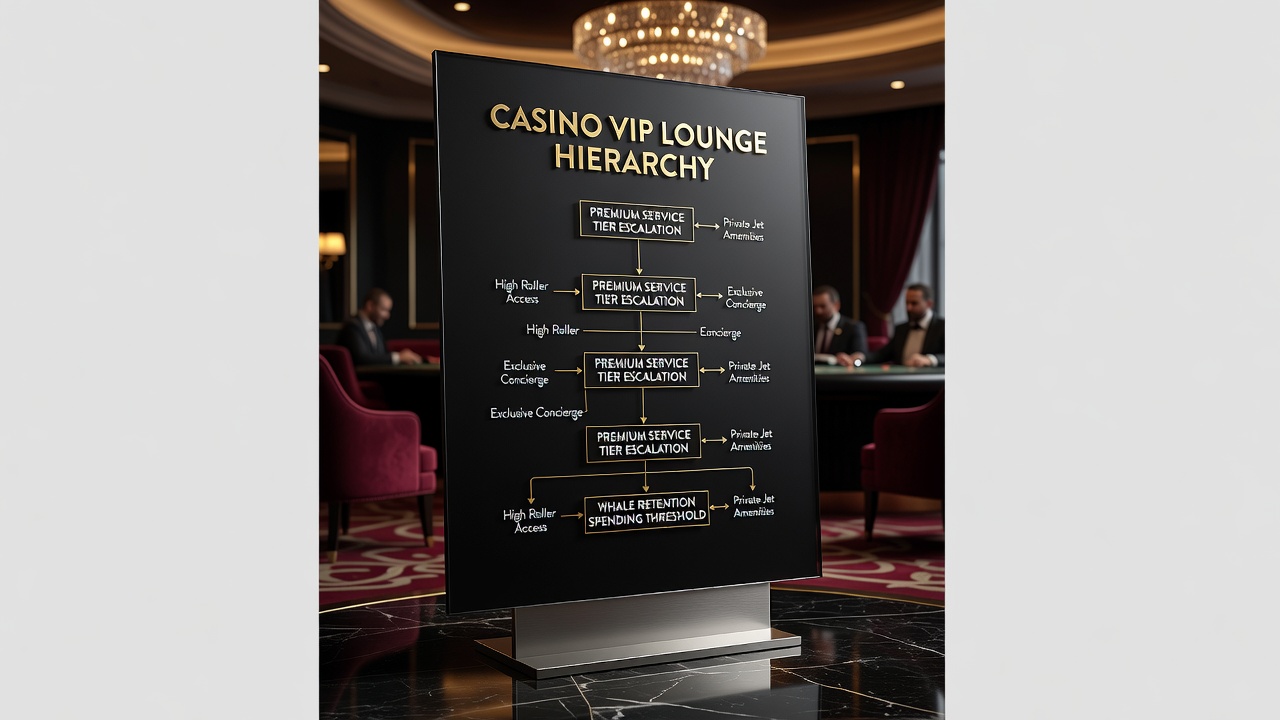
Understanding VIP Programs at Online Casinos
VIP programs are a full-court press on whale retention. The math is simple: one whale is worth a thousand casual players. The casino structures everything around not losing that whale.
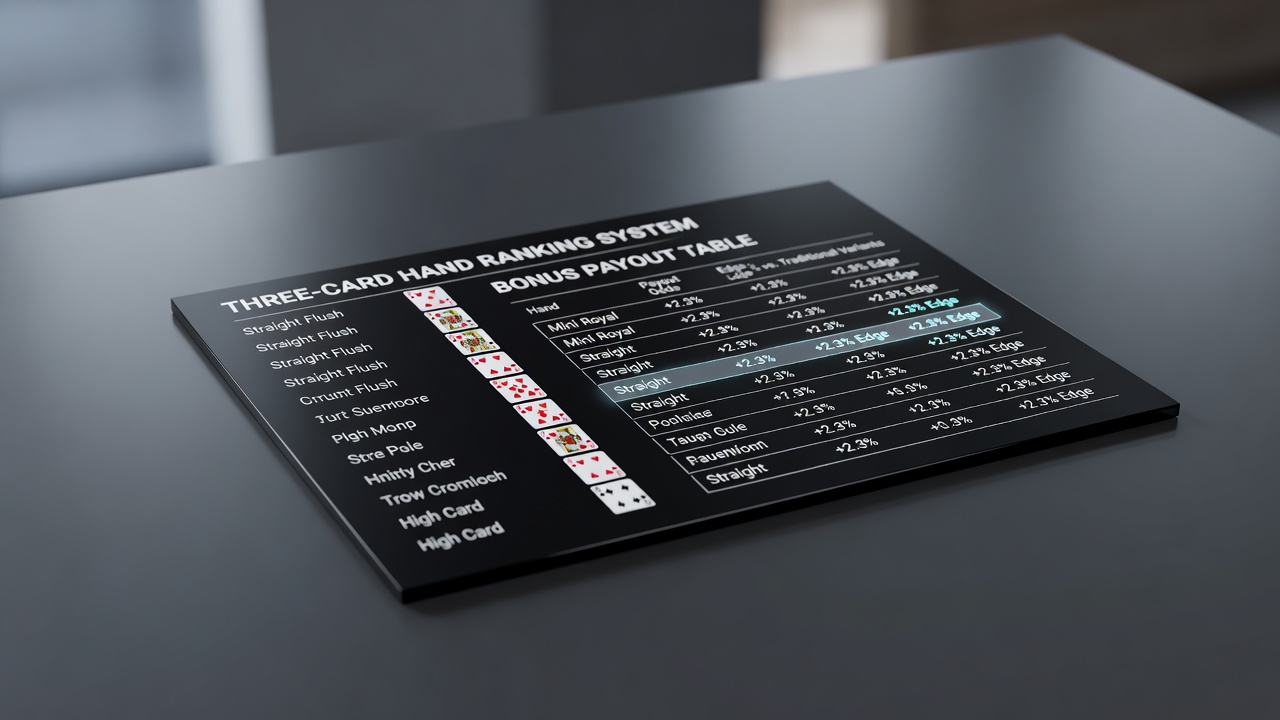
The Math of Six Card Bonus in Three Card Poker
provably fair is a tech term. but three card poker's six-card bonus? that's not provably anything. it's just a bet with a 14% house edge wrapped in shiny UI.
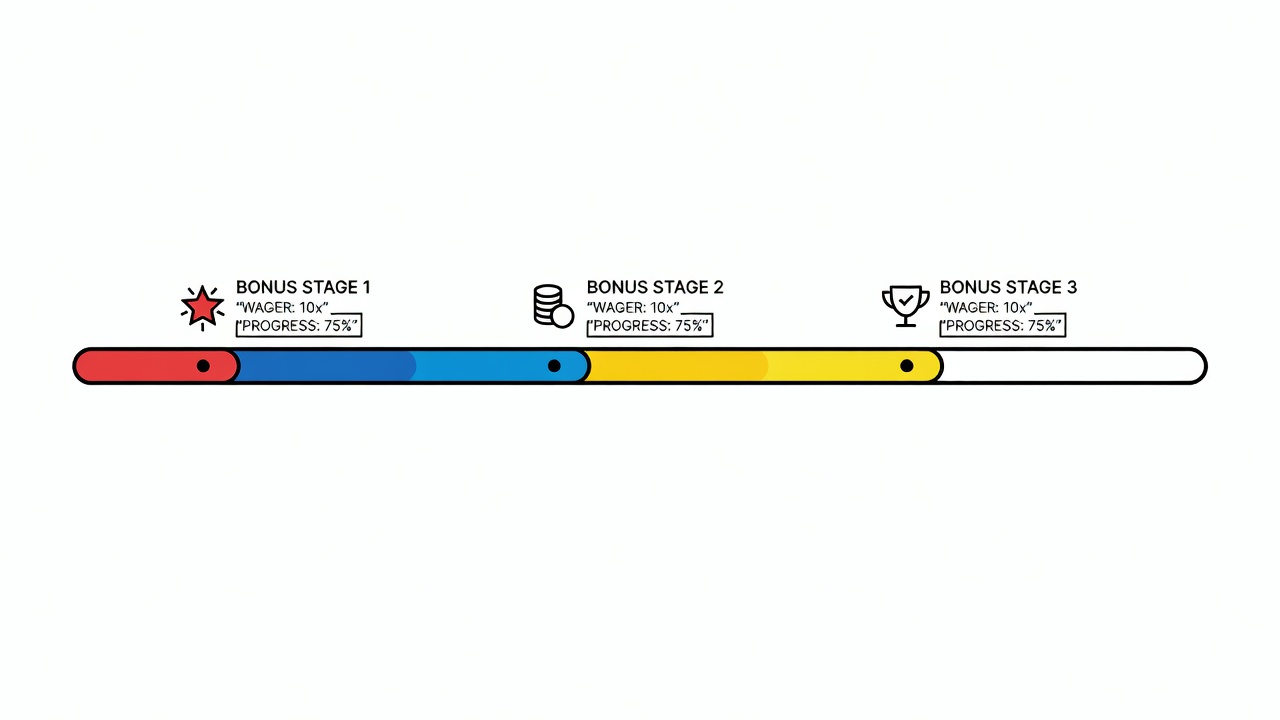
How to Track Your Wagering Progress on a Bonus
The bonus system works like traffic flow. The casino designed the space. The player moves through it. Good design makes the path invisible. Tracking your position in that path is the work.
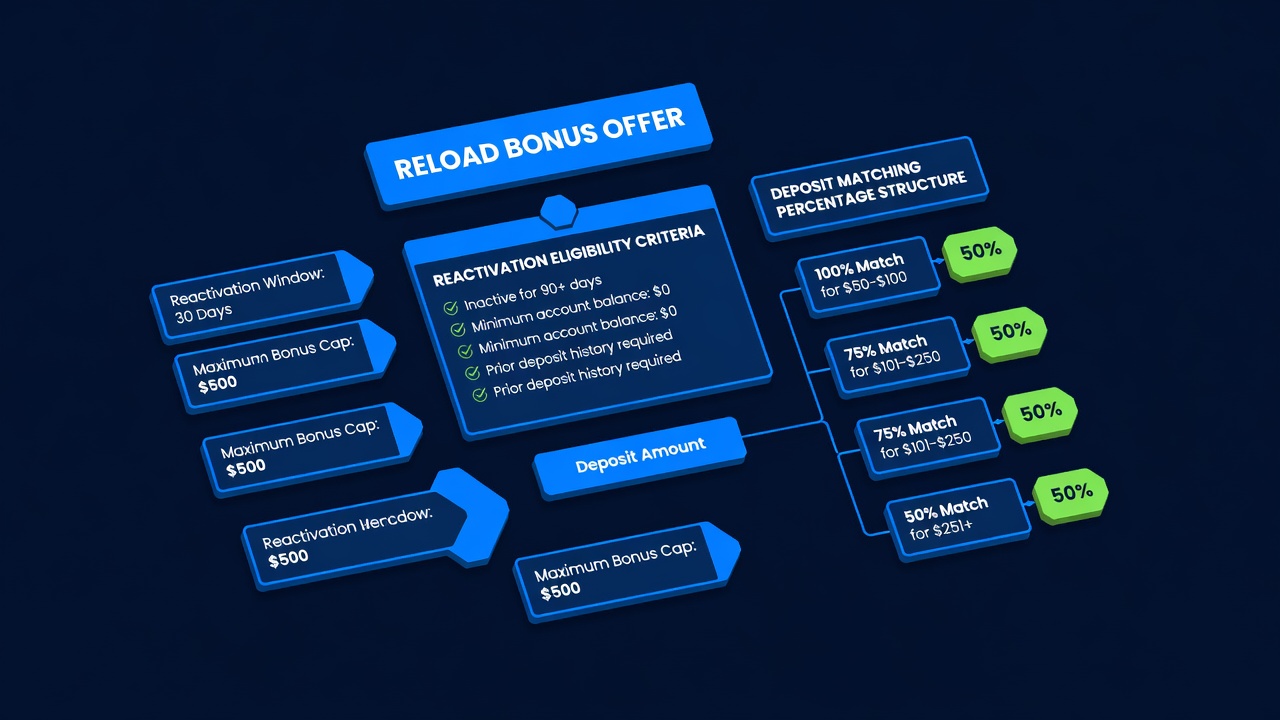
Crypto Casino Reload Bonuses: How They Typically Work
Reload bonuses are a tool to combat player churn. Casinos use them to reactivate dormant players. The mechanics are straightforward, but the value proposition depends entirely on your loss rate.

Bitcoin Lightning Network for Instant Casino Deposits
The Lightning Network emerged from a 2015 whitepaper by Poon and Dryja as a response to Bitcoin's settlement delays. Casino operators began adopting it in 2019 to solve real problems of player friction.