Dedicated Branded Tables: What Players Should Know
A branded table is a designed experience. The carpet choice, the felt color, the light angle. Everything builds toward one outcome: extended play.
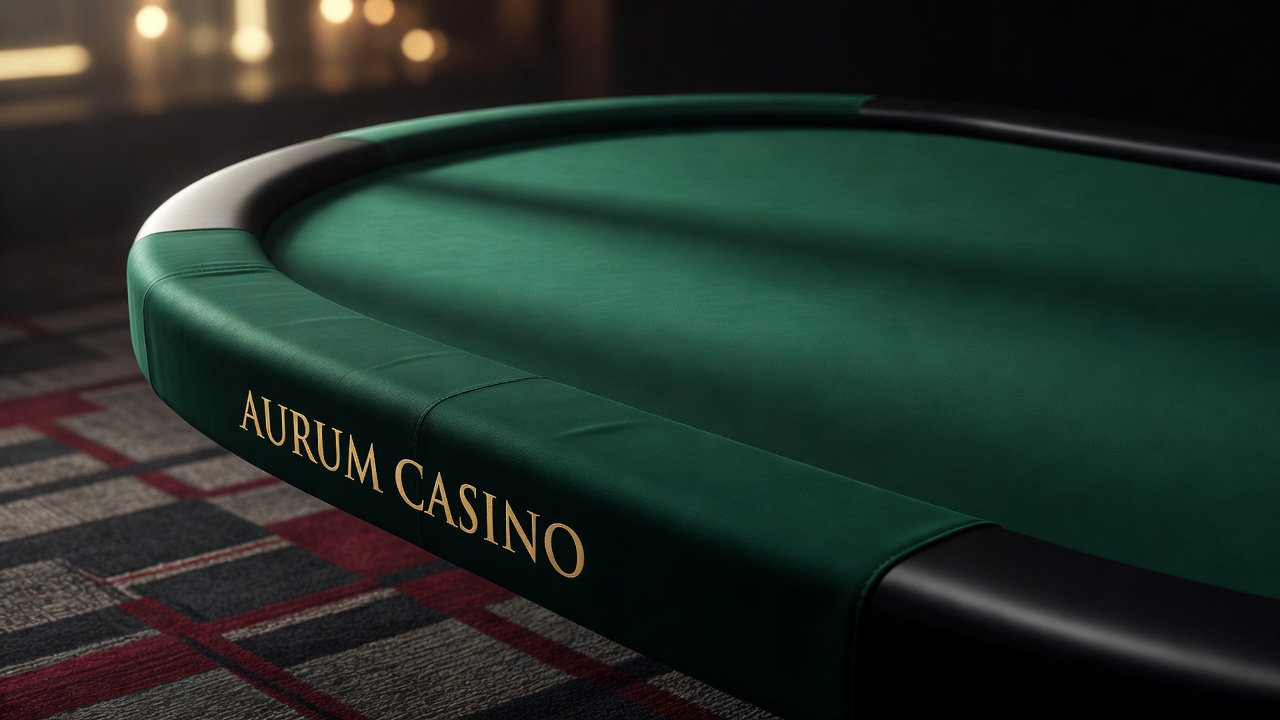
A dedicated branded table is architecture pretending to be fun. I designed three of them before I understood what I was actually building.
Take a Game of Thrones baccarat table. The manufacturer commissioned a designer to create a Westeros-themed layout. The numbers become house sigils. The background imagery shows castles and dragons. Every surface carries the brand.
The purpose is not entertainment. The purpose is friction reduction.
How Branding Extends Play
When a table looks like a regular baccarat table, a player completes a hand, checks their profit or loss, and makes a decision. Continue or leave.
When a table is a themed experience, a player becomes an actor. They are not sitting at a baccarat table in a casino. They are at Winterfell playing the Game of Thrones. Psychologically, they are elsewhere.
This redefinition of space reduces the salience of time spent and money lost. A player who has been at a regular table for six hours knows they have been there six hours. A player in a Game of Thrones table for six hours feels like they have been in a story.
The transition is dramatic to the designer but invisible to the player.
The Lighting Design
Branded tables use non-standard lighting. A standard baccarat table has overhead lights at two hundred lumens. Branded tables use indirect lighting, often at one hundred fifty lumens, with accent lighting on the branded elements.
The reduced brightness slows perceived time passage. Circadian rhythm shifts occur when light levels drop below one hundred eighty lumens. Your brain thinks it is evening. Your sense of urgency decreases.
This is not accidental. The lighting designer knew this. The specification was written to achieve this effect.
The Felt Choice
Standard casino felts are medium green. Branded tables use custom colors. Darker greens, purples, reds, blacks.
Darker felts increase visual contrast with the chips. The contrast pulls your eye to the action. Your attention focuses more intensely. Distraction decreases. Play intensifies.
A player at a dark-felt Game of Thrones table is less likely to notice the time or to glance at the exit. The contrast is hypnotic by design.
The Audio Design
Some branded tables have spatial audio. Subtle ambient sounds. Game of Thrones tables have wind, distant horns, the rustling of banners. These are subliminal but consistent.
The audio fills the cognitive gap where concern about money might otherwise intrude. A brain that is processing ambient theme sounds is not processing thoughts about loss accumulation.
This is behavioral science applied through architecture.
The Seating
Branded tables use custom chairs. Often with higher backs, deeper cushions, and more recline. The ergonomics are superior to standard casino seating.
A player who is physically comfortable plays longer. A player in mild discomfort naturally breaks play more frequently. The chair is an instrument of extended play.
The Layout
The number positions on a branded table sometimes follow the theme. A Game of Thrones table might arrange numbers by house territory instead of standard baccarat layout.
This forces players to relearn the table. The cognitive effort required to place a bet on an unfamiliar layout increases engagement. A player is not running on autopilot. They are thinking about where to place their chip.
Engagement means longer sessions.
The Cost
A branded table costs forty to sixty thousand dollars more than a standard table. The casino recovers this through extended play duration.
A standard baccarat table generates maybe one hundred fifty thousand dollars per year in rake and commission. A branded table in a premium location generates two hundred twenty thousand. The differential pays off the custom design in one to two years.
The Ethical Dimension
I designed these tables. I made them beautiful and engaging. I created experiences people wanted to be part of. I also created friction-reducing environments where people spent more money than they intended.
The architecture is honest in one sense: nothing is hidden. Everything is visible and intentional. But the intention is to manipulate through design, not through deception.
When you sit at a branded table, you are in a space where every element has been chosen to extend your play. This is neither good nor bad. It is what it is. But knowing it changes how you experience the space.
Next notes
More from #live-tables
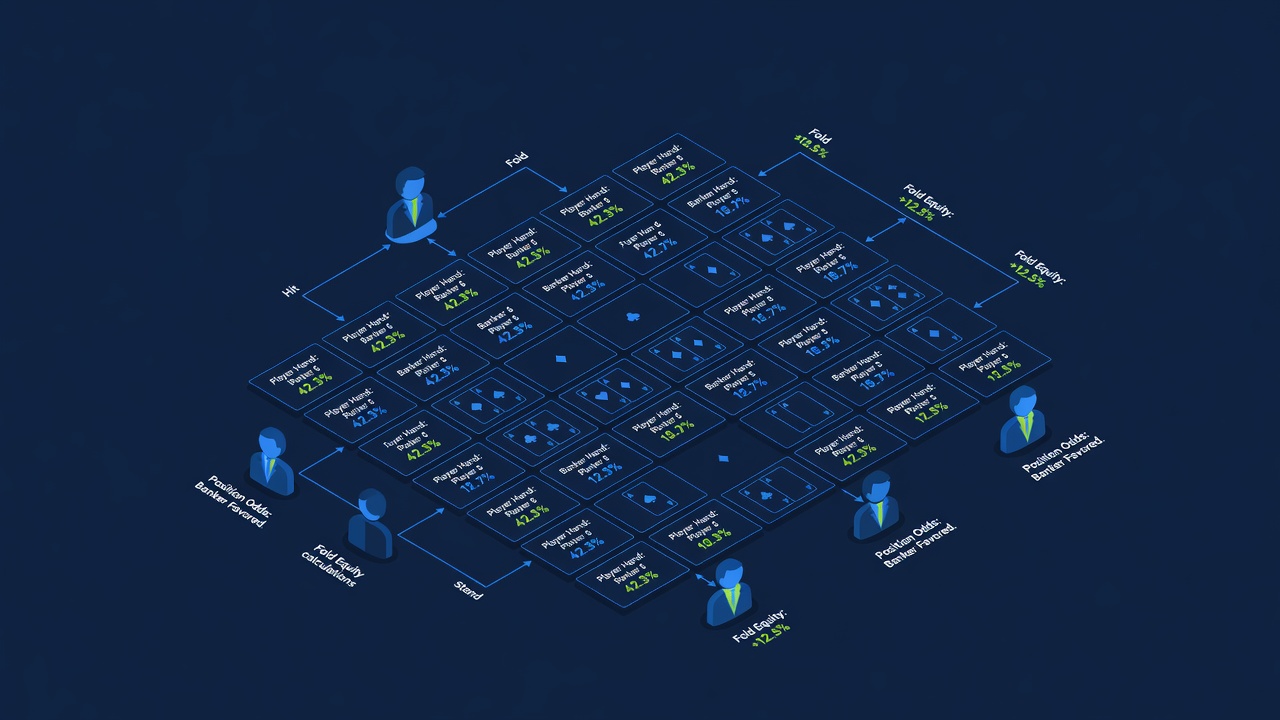
Live Casino Hold'em Strategy: When to Call and When to Fold
Live Casino Hold'em is fundamentally different from traditional poker because you have perfect information about dealer strength. Understanding this transforms the entire decision tree.
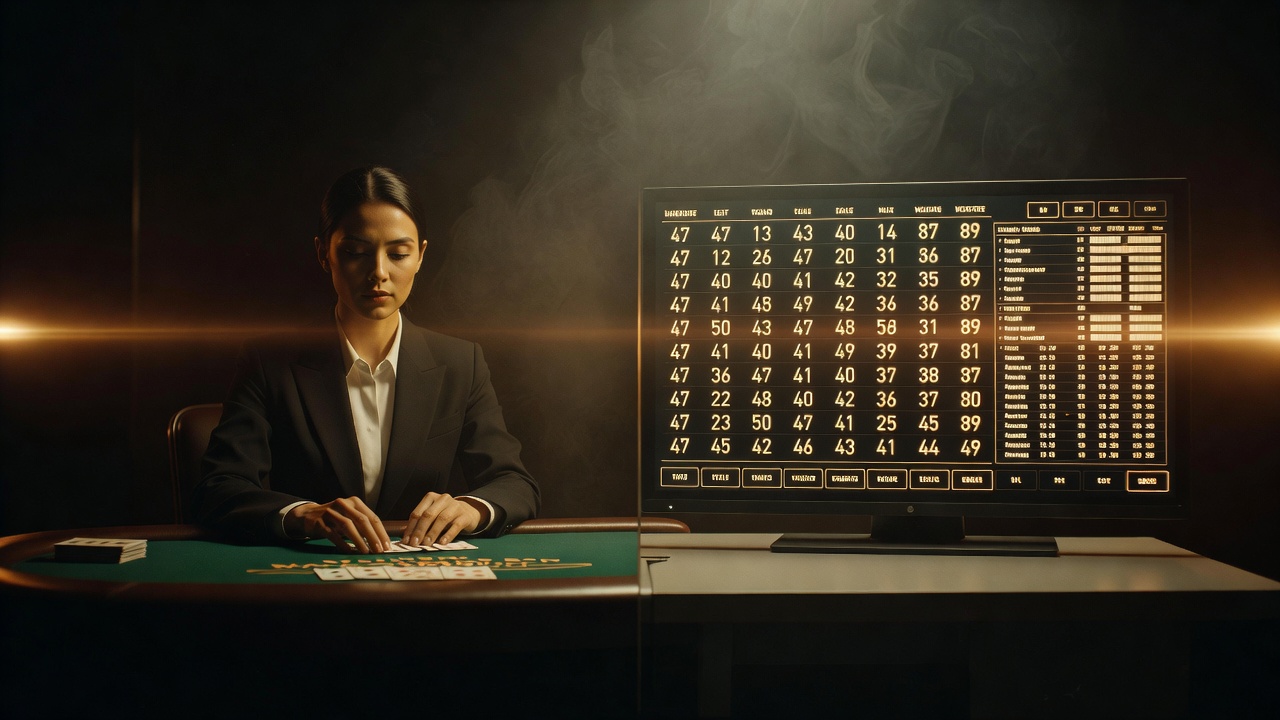
Random Number Generation vs Live Dealers: Fairness Compared
A gentleman from Stuttgart played both live and RNG blackjack in the same evening. By three in the morning, his impressions of fairness had inverted twice.
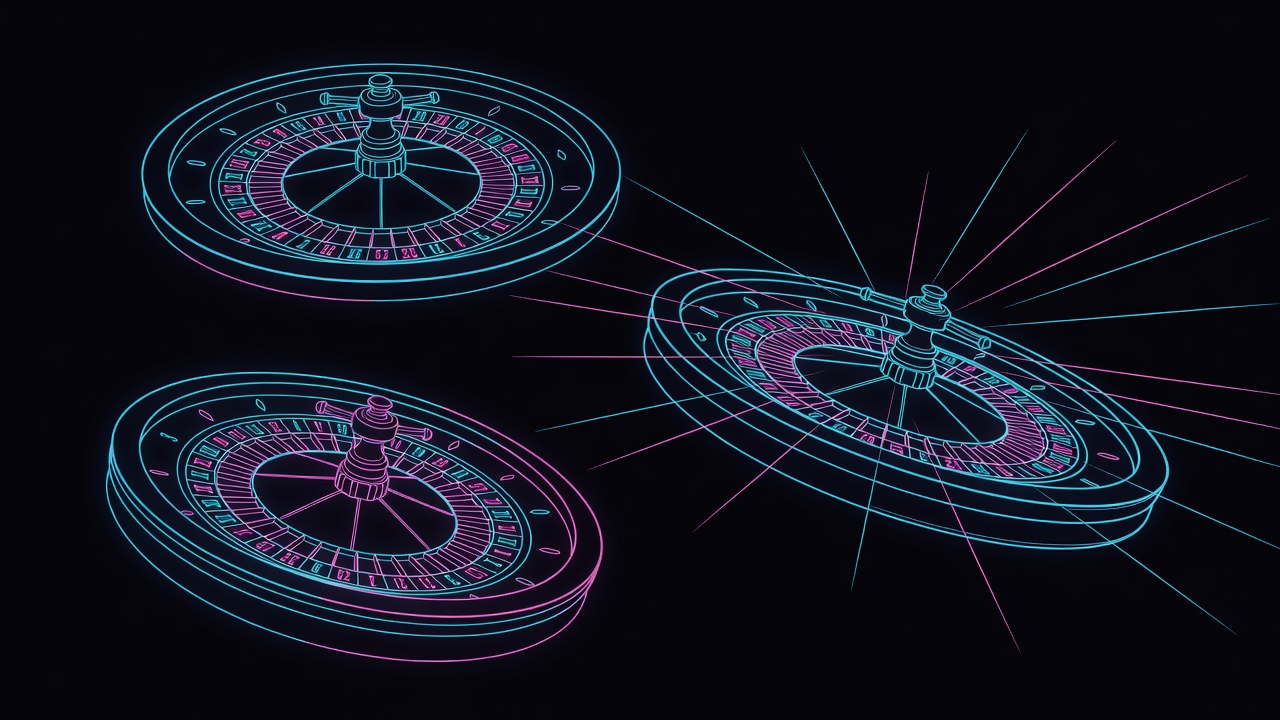
Immersive Roulette: How Camera Angles Changed Live Play
The Resorts had a money wheel in 1978, and they filmed it with one camera from above. Evolution Films it from eight angles. The difference in the experience is architectural.
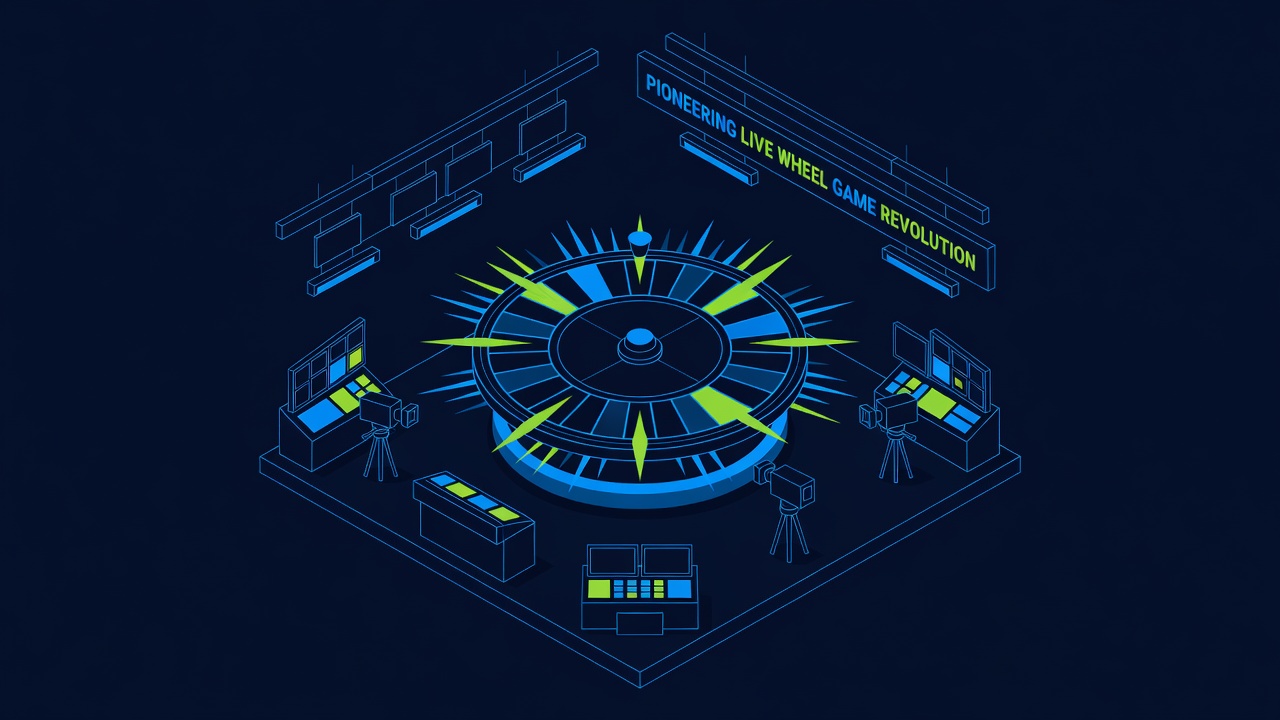
Dream Catcher: The Money Wheel That Started It All
Dream Catcher is often credited as the first live wheel game. Testing this claim methodically reveals it was actually the first one executed well enough to matter.
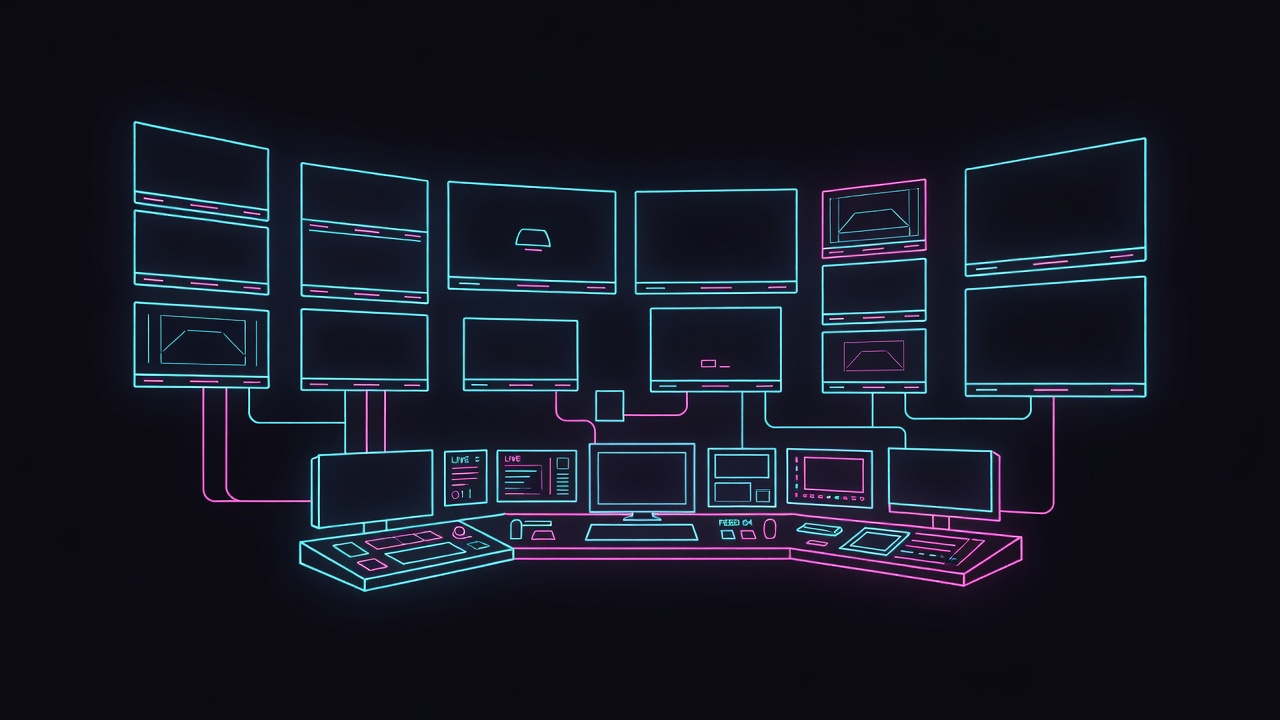
Which Studios Run the Best Live Dealer Tables
One might ask: what distinguishes a good casino from a bad one when the house always profits. Perhaps the answer lies in how the house profits and what it asks of the player.
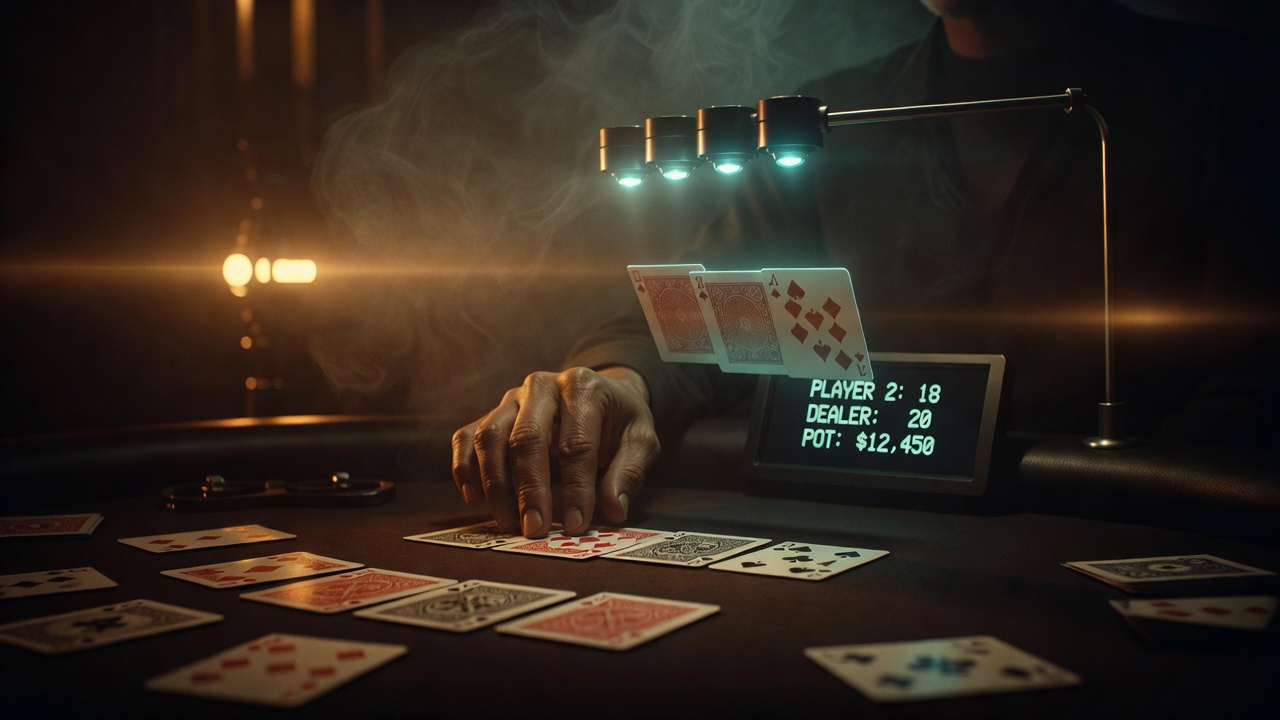
How Optical Character Recognition Powers Live Dealer Games
Every card the dealer touches gets read instantly. OCR is the invisible machine that turns physical cards into game state.