Minimum Gambling Ages Around the World: A General Overview
Every jurisdiction treats the age gate as a product design decision. From 18 in most of Europe to 21 in Nevada, these numbers are not arbitrary. They are a tuning knob on the onboarding loop of an entire industry.

A minimum gambling age is, in systems-design terms, the first onboarding gate of the entire product. The number picked by a regulator decides who gets to enter the reward schedule at all, and that choice cascades through every downstream loop the industry designs on top.
The Short Version
Most of the world sets the minimum at 18 for most gambling products. The United States is the loud exception, with 21 in Nevada, New Jersey, and most commercial gambling states, though tribal casinos and some state lotteries run at 18. Japan sets the age at 20 for pachinko and the new integrated resort framework. Portugal sits at 18 for most products and 25 for casino entrance in certain regional jurisdictions. The UK pegs at 18 for almost everything with the exception of some low-stakes amusement-with-prize machines which, until 2021, allowed 16-year-olds to play before that loophole was closed by the Gambling Commission.
The design question is not why the numbers differ. It is what the numbers are trying to do.
The Onboarding Gate as Retention Tool
Think about the gambling stack the way an indie designer thinks about a freemium mobile game. The full loop looks like this:
- Acquisition: the player notices the product exists
- Onboarding: the player creates an account and makes a first deposit
- Core loop: the player places bets, experiences variable reward, returns
- Retention hooks: bonuses, loyalty tiers, VIP programs
- Monetization: sustained play, upsell to higher stakes
The minimum age decides when a human enters the funnel. Raising it by three years, as Nevada does, removes an entire cohort from the top of the acquisition layer. That cohort would otherwise be high-lifetime-value if retained, because early-onset habit formation is one of the strongest predictors of long-term engagement in any behavioural product. The industry does not say this out loud. It is nonetheless true, and regulators writing the 18 versus 21 question are arguing about exactly this.
Why 18 Is the Global Default
The 18 threshold maps to the legal majority age in most jurisdictions. It was not picked for gambling-specific reasons. It is the same threshold that governs contracts, voting, and military service in those countries. The gambling industry inherits the rule rather than shaping it. Europe almost uniformly sits here: the UK, Germany, France, Italy, Spain, the Nordic countries, Malta. Australia and New Zealand also set 18. So does most of South America.
This is the baseline. It is the path of least legislative resistance.
The 21 Cluster and Its Rationale
The 21 figure in the United States is a legacy of the 1931 Nevada gambling legalization, which pegged to the then-standard drinking age. The alcohol and gambling ages have drifted apart and back together over the decades, but the 21 number stuck through inertia and through occasional public health arguments about late-adolescent brain development, which have been used to support the National Minimum Drinking Age Act of 1984 and, by extension, the gambling threshold in several states.
Greece, in 2011, raised casino age to 23 briefly before reverting to 21. Estonia sets 21 for casino play despite 18 for betting. These are odd outliers. The underlying logic in each case tends to be some mix of public health framing and political signalling rather than any clean design intent.
The 20 and Split-Age Cases
Japan's 20 threshold comes from the general Japanese age of majority, which itself was lowered from 20 to 18 in April 2022 for most purposes but explicitly held at 20 for drinking, smoking, and gambling. That is a deliberate design choice: the legislature picked apart the majority concept and decided that gambling deserved the older age for reasons of habit formation.
Split-age regimes, where a country allows betting at 18 but casino entrance at 21, exist in Portugal, Malaysia, and several Caribbean jurisdictions. The logic is that the casino floor is the most intensive reward environment in the stack, and raising the age gate for that specific room serves as an additional filter without excluding adults from the lighter-touch products.
What the Numbers Tell Us About the Industry
The minimum age is a rare case in which regulators hold a tuning knob the industry cannot bypass. Bonus size, round duration, RTP, all of these are knobs the operator can tweak within wide bounds. The age gate is binary and externally set. It decides who enters at all.
For a designer looking at the full funnel, an age threshold of 21 rather than 18 means losing three years of early adulthood from the addressable market. That is roughly fifteen percent of the lifetime retention curve for a habit product. The industry has never been ambivalent about this question, and the regulators who set it higher know precisely what they are doing. A concrete example: the New Jersey online sports betting market, opened in 2018 at age 21, shows markedly lower engagement in the 21 to 24 cohort compared with the UK market at the same stakes and products. Part of that gap is cultural. Part of it is that the American cohort had three fewer years to form the habit.
The number is not arbitrary. It is the single most load-bearing parameter in the whole regulatory stack.
Next notes
More from #mobile

Mobile Notifications from Casino Apps: Managing Them Responsibly
The push notification is the casino industry's version of the well-dressed floorman who knows your name and your limit and appears when you're down three thousand.

Testing Your Mobile Connection Speed for Live Casino Play
Explains hidden systems that operators depend on. testing your mobile connection speed for live casino play requires both knowledge and discipline.
Why Some Casino Games Don't Work on Older Phones
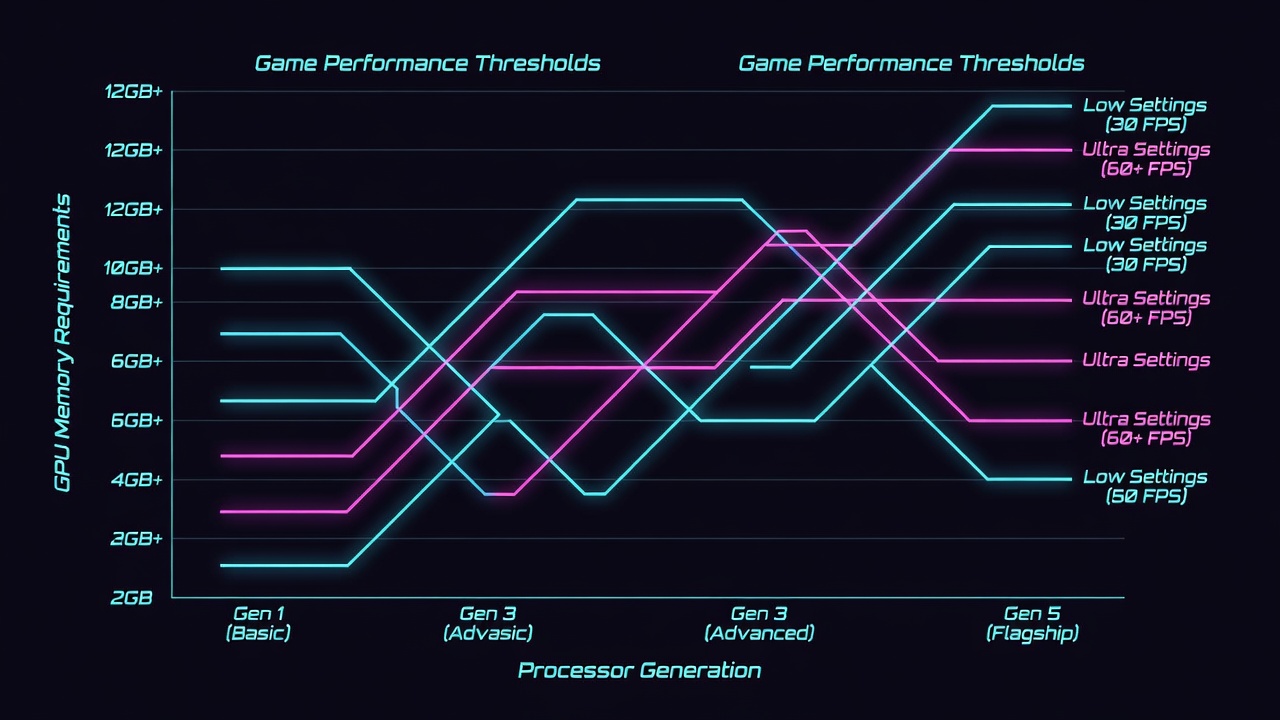
Phone hardware hasn't improved linearly. A 6-year-old device hits walls in bandwidth, GPU power, and RAM that make certain games unplayable.

In-Play Betting on Mobile: Tips for Smooth Performance
In-play betting moves fast. Network lag, app crashes, and UI delays become tangible costs when you have seconds to decide.
Adding a Casino Shortcut to Your Android Home Screen
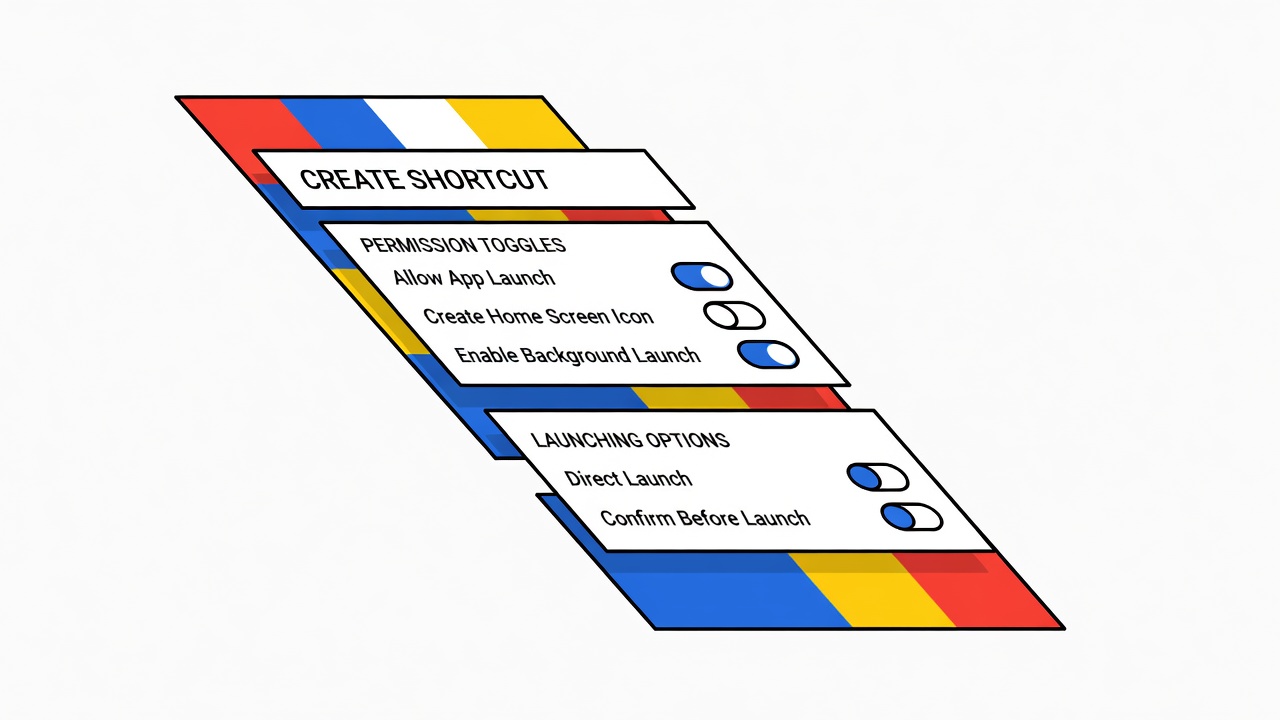
Android shortcuts are a closed system of rules. Constraints, permissions, intent definitions. Beautiful, actually. Let me walk through how to set one up and what each piece does.
Mobile Casino Apps vs Mobile Browser: Which Should You Use?
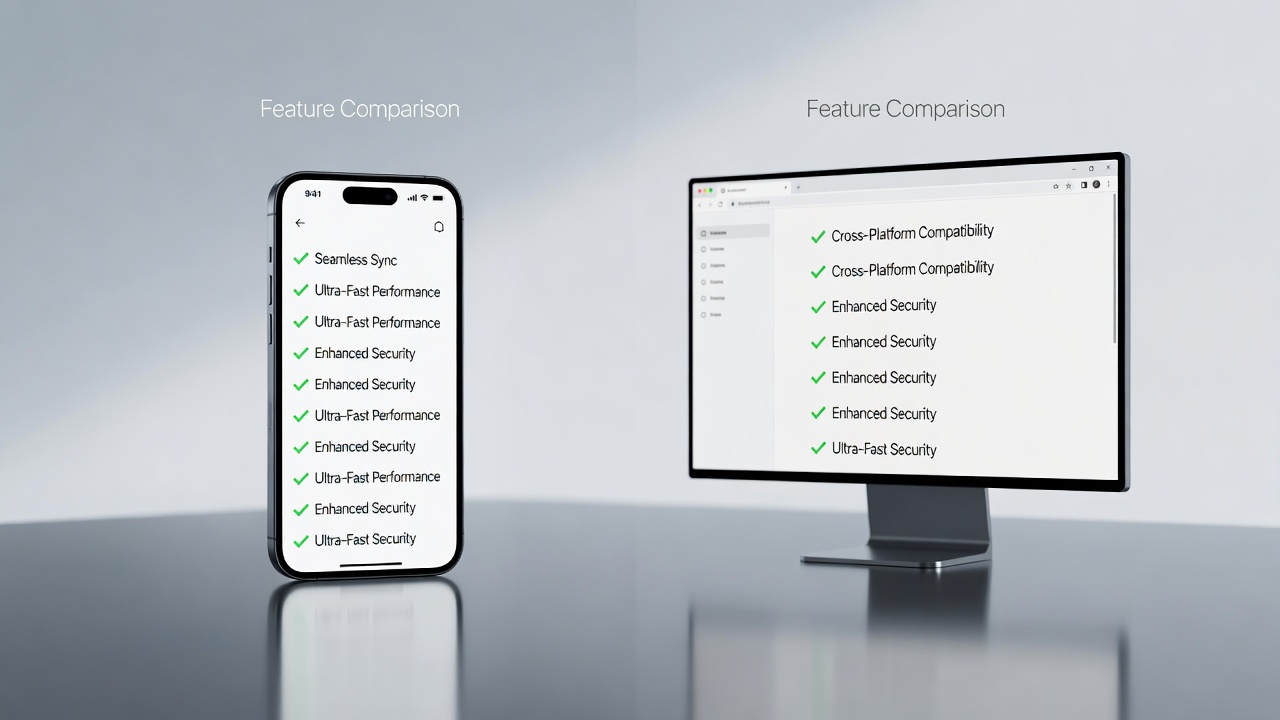
In 1996, you needed software to do anything on a computer. Now you need to decide whether to download an app or use the browser. This is a decision that sounds trivial but carries implications.