How Much Mobile Data Does an Online Casino Session Use?
What does the gambler actually purchase when spinning on a phone? We examine the hidden cost of bandwidth alongside the cost of a bet.

One might ask: what binds us to the glowing screen? More than habit, surely. More than hope. The mobile casino player transfers data with every spin, every shuffle, every hand. But how much, and does it matter?
The Hidden Arithmetic
A typical online casino session on a smartphone moves roughly 2-5 megabytes per hour of steady play. This varies. A poker table with static graphics sits lean. A live dealer broadcast to your home device, however, is a different creature. The camera feed alone demands 500 kilobytes to 2 megabytes per minute, depending on stream quality. At live roulette, you are not just wagering money. You are renting bandwidth.
Slot games tend toward the lower end. A video slot with standard animations uses roughly 1-2 MB per 30 minutes of continuous play. Reload speeds, payment confirmations, and balance updates add marginal weight. The software refreshes your account state perhaps once per second on average. Those updates are small but relentless.
A Practical Threshold
Consider a modest scenario: you arrive home with a 5-gigabyte monthly data allowance. You play three hours of slots most evenings. Over a month, this consumes perhaps 6-10 GB. Already you approach or exceed your limit. A household with streaming video on other devices finds itself constrained quickly.
Where does this pressure land? On the person who plays on mobile data rather than wifi. The commute player. The player who cannot sit at a desk. For these players, understanding data consumption is not pedantic. It shapes which games they access and for how long.
The Live Dealer Question
Live streams are the exception. They ask more. A standard HD broadcast from a live dealer studio (Evolution Gaming, Pragmatic Play, Playtech) requires stable bandwidth of 2-5 Mbps. A minute of sustained play burns 15-40 MB depending on the provider and quality setting. Thirty minutes approaches your entire monthly allowance for a light user.
Why the difference? Video compression technology. Live broadcasts use H.264 or H.265 codecs. Slot games do not. A static graphic on a reel merely updates when the reel stops. The dealer's face must refresh 24-30 times per second. This is the nature of the medium.
What the Player Controls
One has agency here. Most mobile casino apps offer quality settings. Reducing video resolution from 1080p to 720p cuts data consumption by roughly 40 percent. Disabling audio streaming removes another 10-20 percent. These are small choices with compounding effect.
Wifi use eliminates the constraint entirely for home play. The boundary between home and away gambling is not merely social or psychological. It is technical.
The Larger Point
What does it mean to gamble on data you must pay for? The margin between your wager and your wireless bill collapses. A player in a region with expensive connectivity faces a hidden cost the casino floor player does not. The slot machine in the MGM Grand consumes electricity the casino absorbs. The app on your phone consumes bandwidth you negotiate with a carrier.
This asymmetry matters less in wealthy nations with abundant data. It matters acutely in others. A player in Lagos or Manila making the same bet as a London player pays differently for the privilege. Not just money wagered. But kilobytes transferred.
Next notes
More from #live-tables
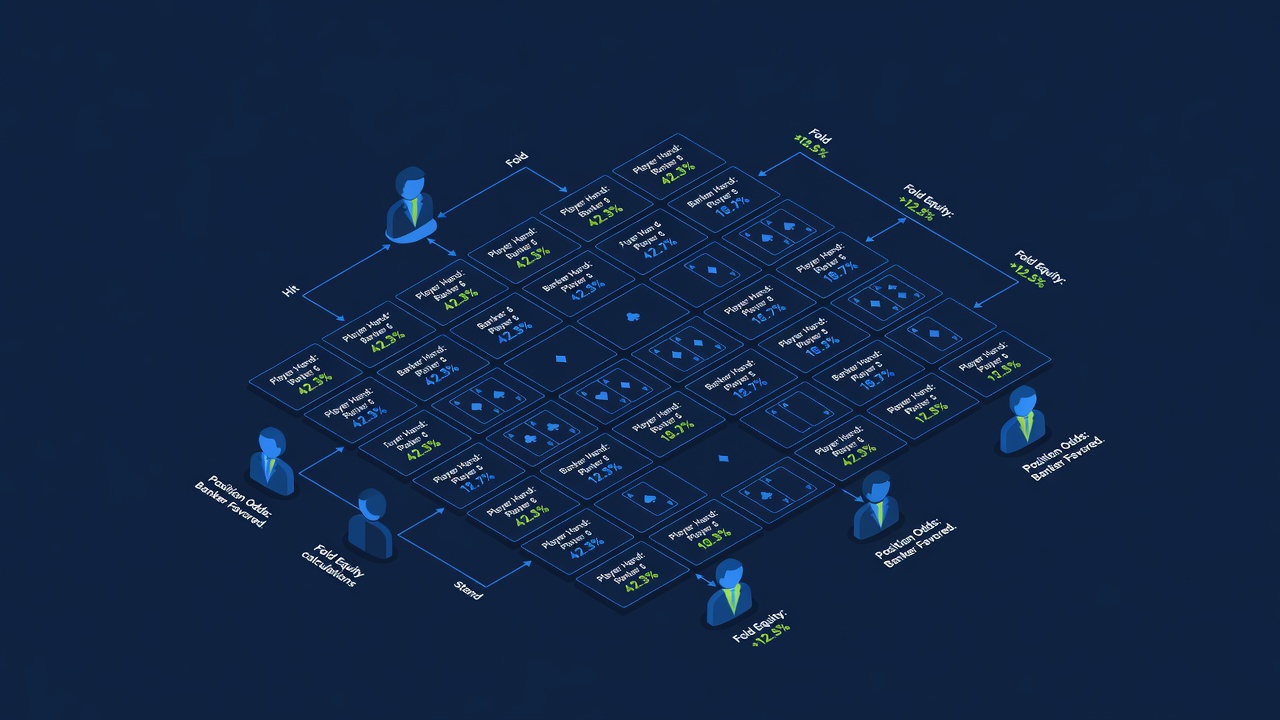
Live Casino Hold'em Strategy: When to Call and When to Fold
Live Casino Hold'em is fundamentally different from traditional poker because you have perfect information about dealer strength. Understanding this transforms the entire decision tree.

Random Number Generation vs Live Dealers: Fairness Compared
A gentleman from Stuttgart played both live and RNG blackjack in the same evening. By three in the morning, his impressions of fairness had inverted twice.
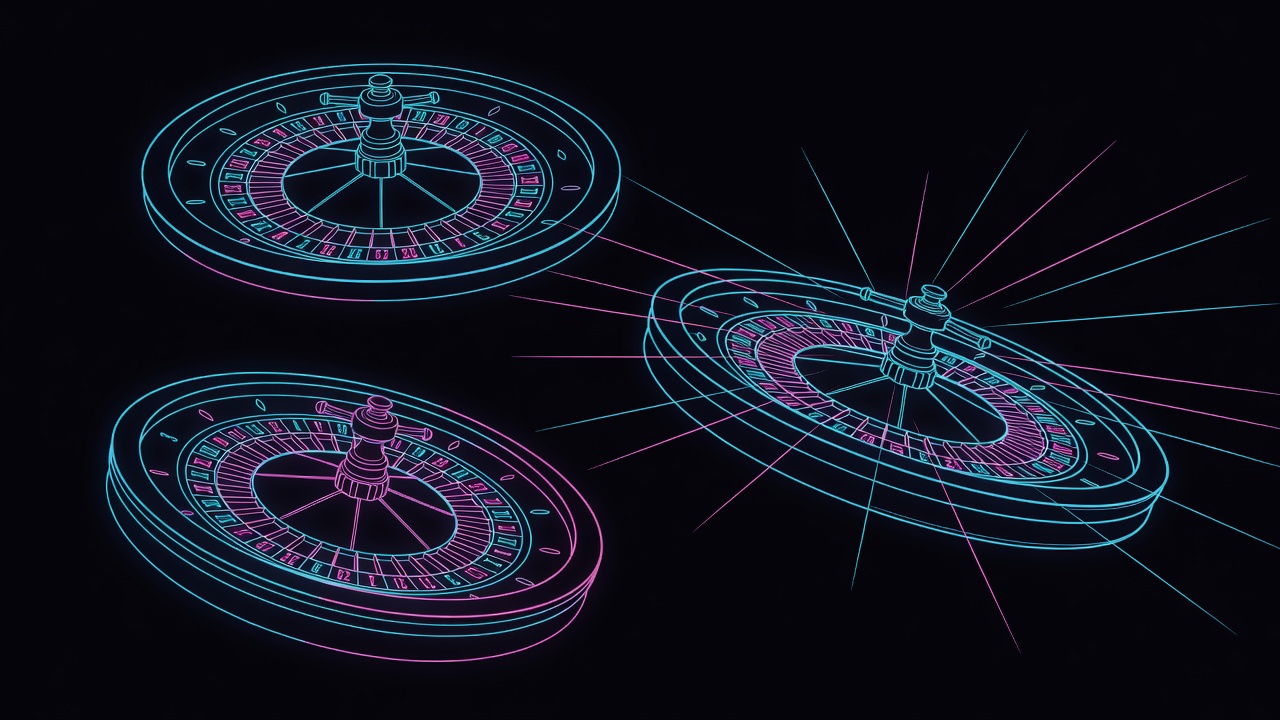
Immersive Roulette: How Camera Angles Changed Live Play
The Resorts had a money wheel in 1978, and they filmed it with one camera from above. Evolution Films it from eight angles. The difference in the experience is architectural.
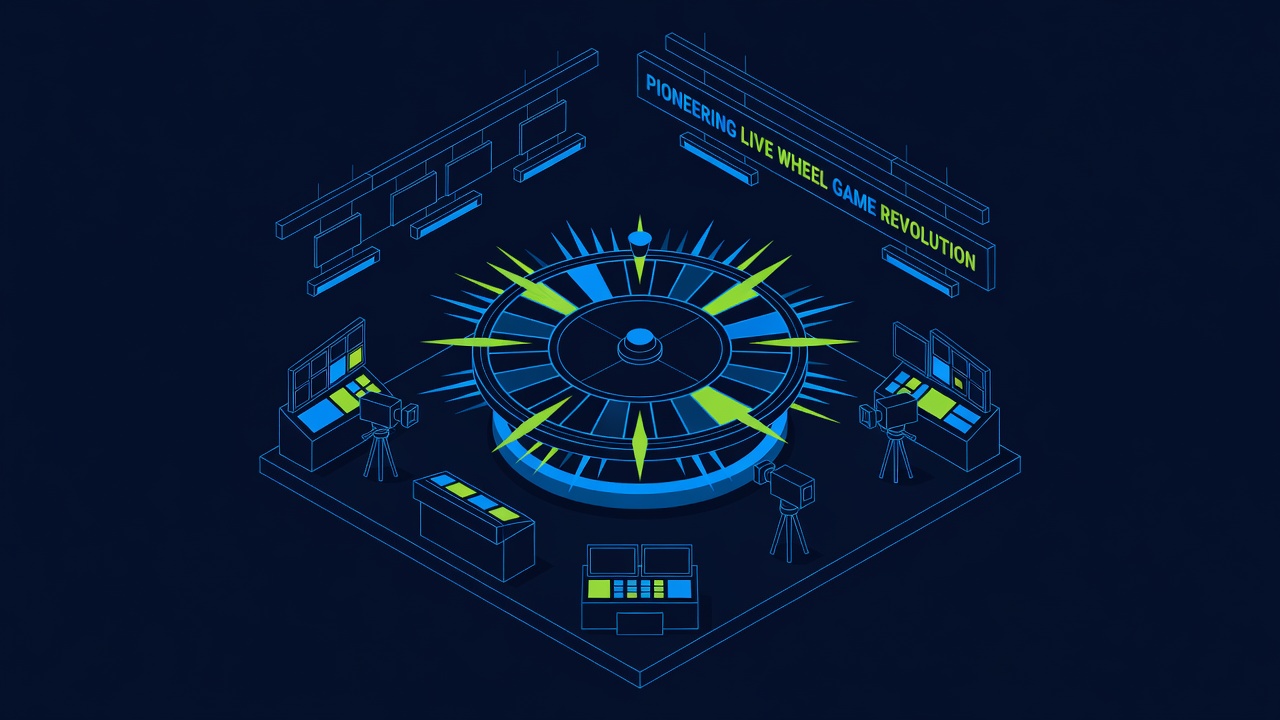
Dream Catcher: The Money Wheel That Started It All
Dream Catcher is often credited as the first live wheel game. Testing this claim methodically reveals it was actually the first one executed well enough to matter.
Which Studios Run the Best Live Dealer Tables
One might ask: what distinguishes a good casino from a bad one when the house always profits. Perhaps the answer lies in how the house profits and what it asks of the player.

How Optical Character Recognition Powers Live Dealer Games
Every card the dealer touches gets read instantly. OCR is the invisible machine that turns physical cards into game state.