Poker Tells in Live Games: What to Watch For
A tell is a behavioral pattern that reveals hand strength. Poker players are trying to mask their emotions. The tells emerge from the parts they forgot to mask.
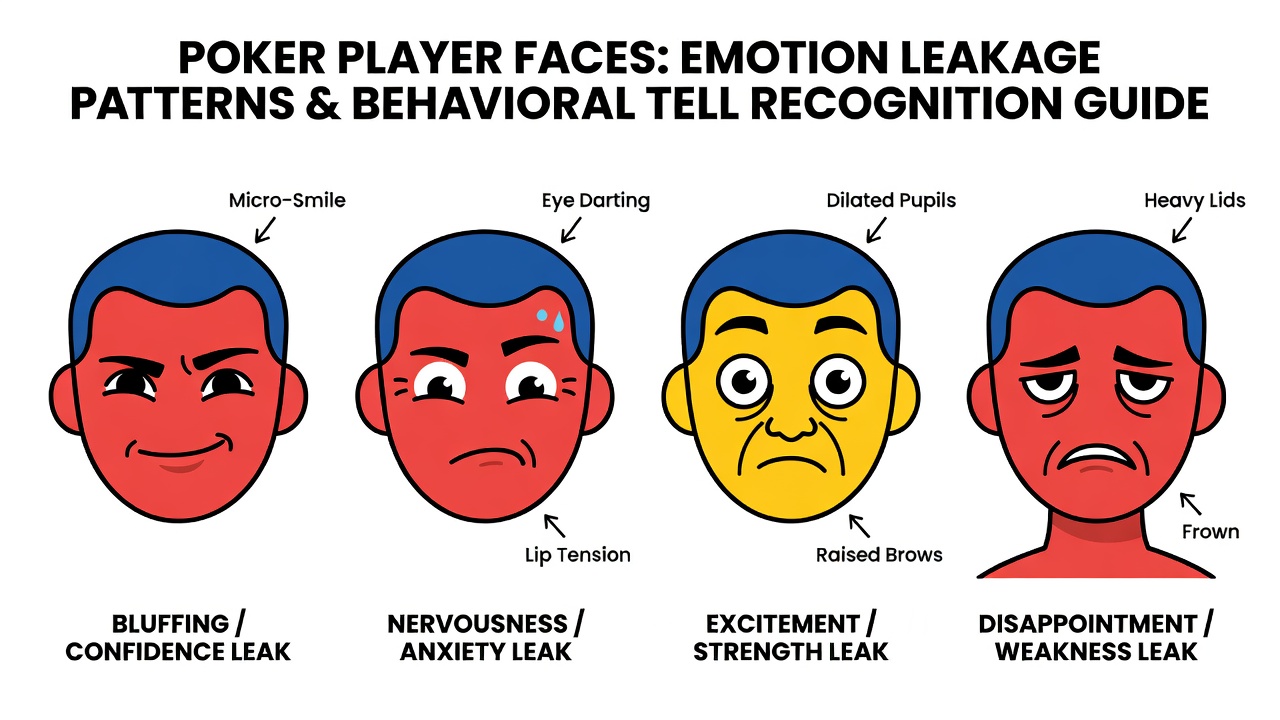
The Concept
A tell is involuntary behavior that reveals information about a player's hand. When someone is nervous about a weak hand, their hand might shake. When someone has a strong hand, they might sit straighter.
These behaviors are unconscious. The player isn't trying to give information. They're just being human.
Physical Tells
Hand Shaking
A light tremor in the hand often indicates a strong hand. The player is excited but trying to hide it. Adrenaline is running. Their hands shake.
Don't confuse this with being nervous. Nervous hands shake too. The difference is in the context. After a player has slow-played all street, their shaking hand suggests strength.
Posture Changes
When a player sits back in their chair, they're often weakening their hand psychologically. They're retreating.
When a player leans forward, they're engaging. This could indicate interest in the pot, but not necessarily hand strength.
Eye Contact
A player avoiding eye contact after checking often has a marginal hand. They don't want to engage because they're weak.
A player making strong eye contact might be strong (and confident) or might be bluffing (and trying to intimidate).
Betting Tells
Bet Timing
Fast bets often indicate weakness. "I know you're probably better, but I'm getting out of the way." A player who bets instantly usually has a made hand or air.
Slow bets usually indicate strength. The player is analyzing. They're committed. They're thinking about how much to extract.
Bet Size
Unusually large bets sometimes indicate weakness (trying to end the hand) or strength (trying to extract value).
Consistency matters. A player whose bet sizes vary by hand strength has a tell. Bets twice as big when strong as when weak.
Verbal Tells
Speech Pattern
A player who suddenly becomes quiet might be strong or weak. The deviation from their baseline is what matters.
When a normally talkative player goes silent, that's a tell.
Talking
A player who tries too hard to seem unconcerned (over-explaining, apologizing) often has a hand they're unsure about.
A player who makes bold declarations ("I know you're gonna call") is often bluffing. Real confidence doesn't need announced.
Table Image Tells
Behavior Consistency
A tight player who suddenly plays a wide range is telling you they have hand strength right now.
A loose player who suddenly tightens is telling you they don't.
The deviation from a player's baseline behavior is the tell.
Reading The Whole Picture
One tell means nothing. A single trembling hand could mean excitement about a strong hand or nerves about a weak one.
But combine multiple tells, and the picture becomes clear.
A player with shaking hands, fast bets, and lack of eye contact is probably strong. Same player with shallow breathing, slow bets, and chin-tucking is probably weak.
The Most Reliable Tell
The best tell is inconsistency in a player's behavior. Find their baseline. Note when they deviate.
A player who checks and looks left when weak but checks and looks right when strong has a tell you can exploit.
The Limitation
Tells are useful but not deterministic. Even if a player shows every sign of weakness, they might have a strong hand. They're just experienced at controlling tells.
Professional players know tells and control them deliberately. They might show weakness tells while holding strength.
Tells work best against newer players who haven't learned to mask emotions.
Next notes
More from #poker
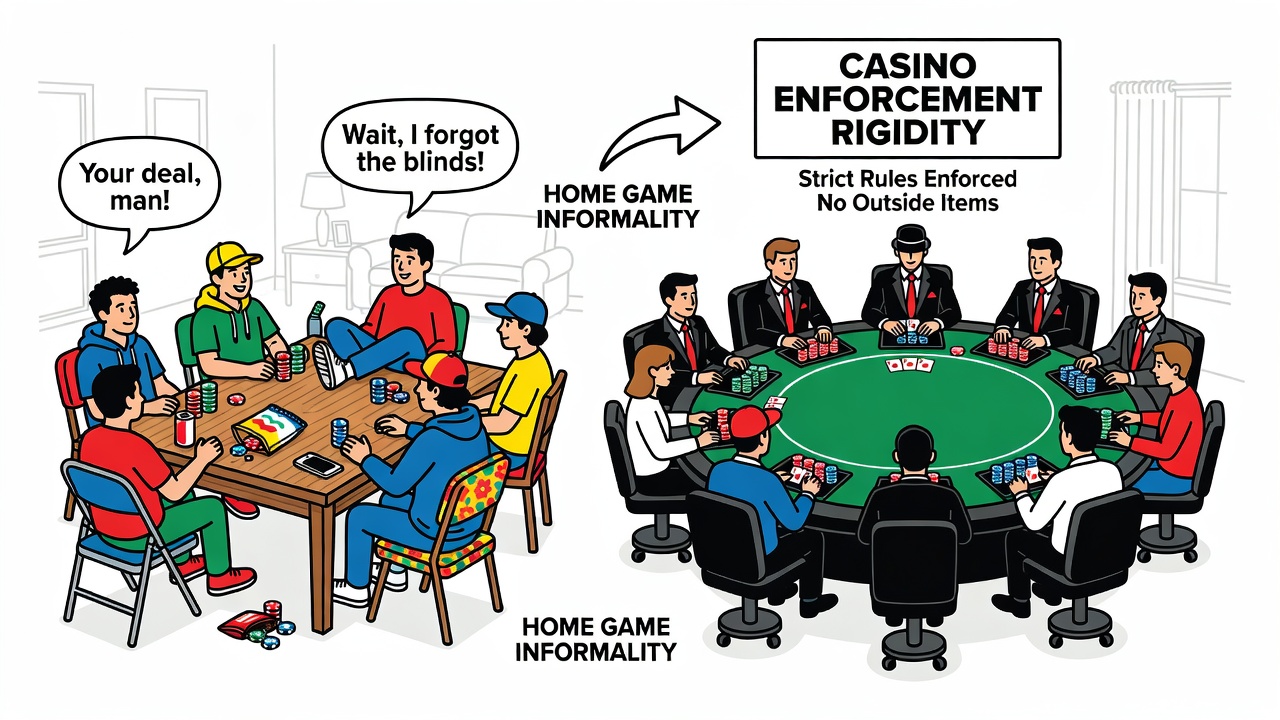
How Home Poker Games Differ From Casino Cash Games
A careful examination of the legal, social, and mathematical differences between home poker and casino cash games reveals that the similarities are often overstated.
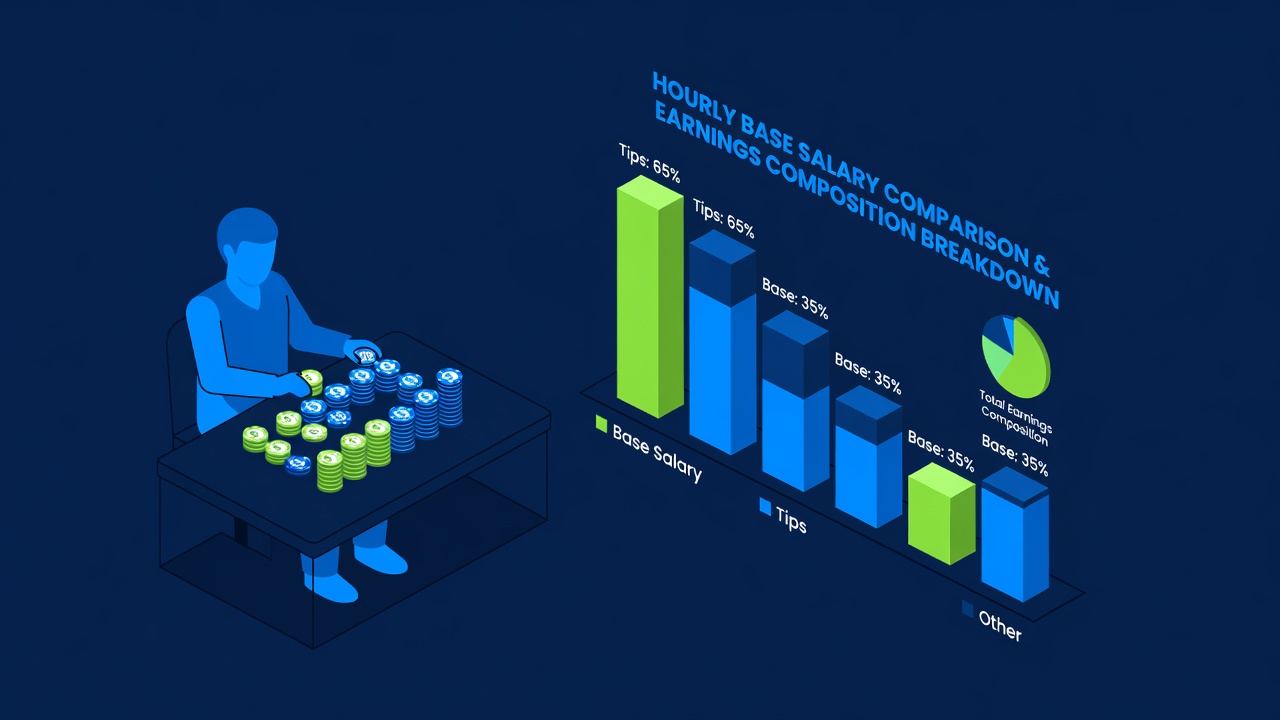
Tipping Dealers in Live Poker: What's Appropriate
A dealer working five hours on a Tuesday afternoon at a regional poker room makes maybe $200 in base salary. Everything else is tips. This changes how you understand the relationship between player and dealer.
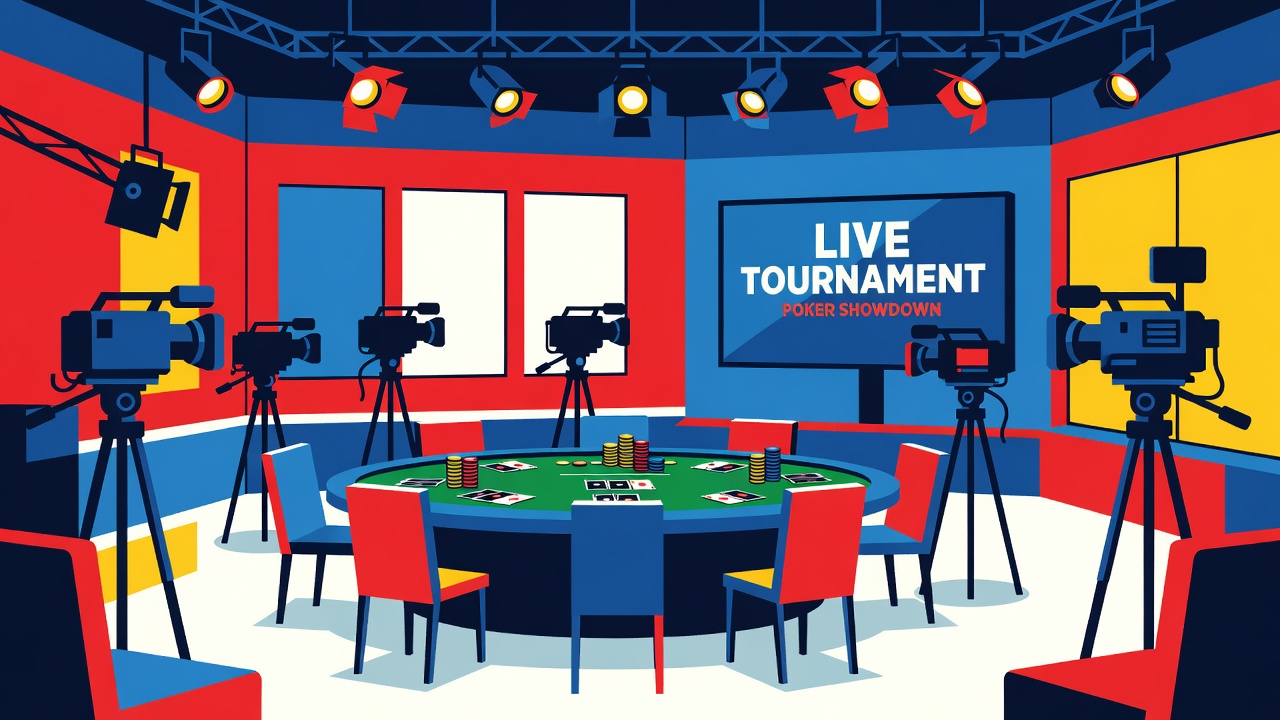
Poker Night TV: The Rise and Fall of Televised Poker on ESPN
ESPN started broadcasting poker in 2003. For five years, it was the most watched non-sports programming on the network. Then it disappeared. The moral is that even good things end when people stop watching.
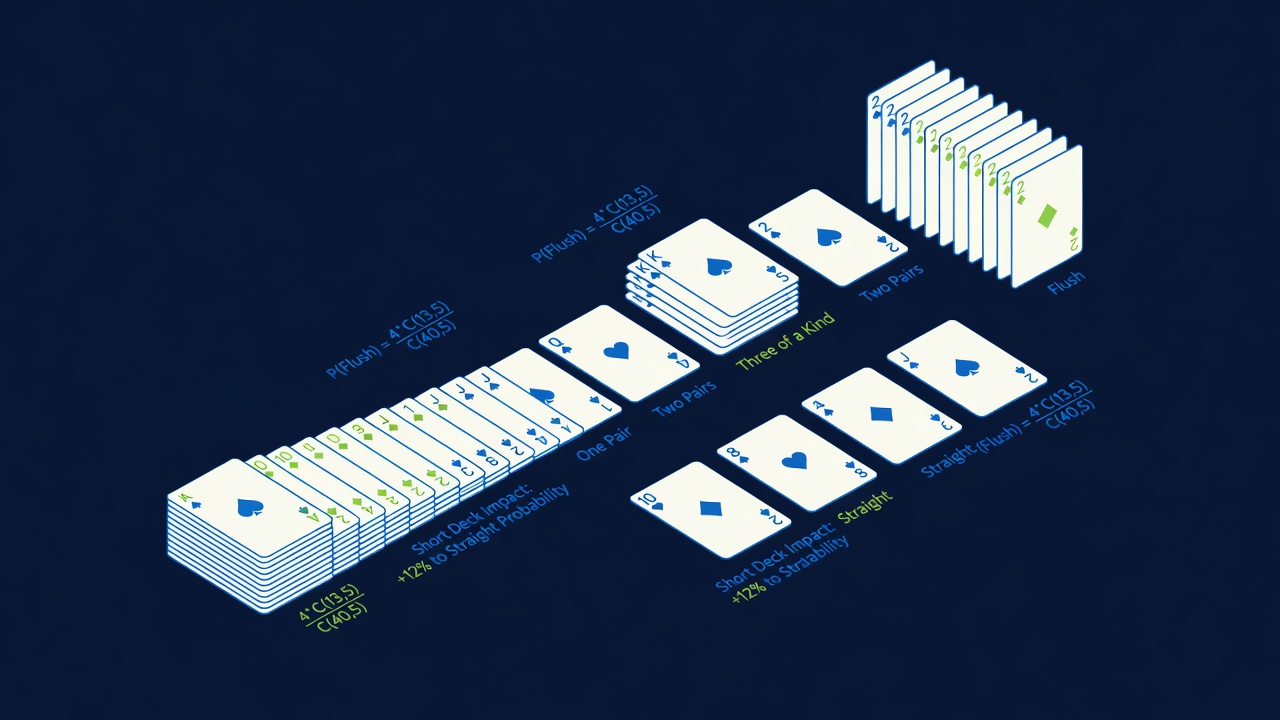
Short Deck Hold'em: Rules and Starting Strategy
Short deck removes the twos through fives. The math changes. Your hand values shift. Here is what adjusts.
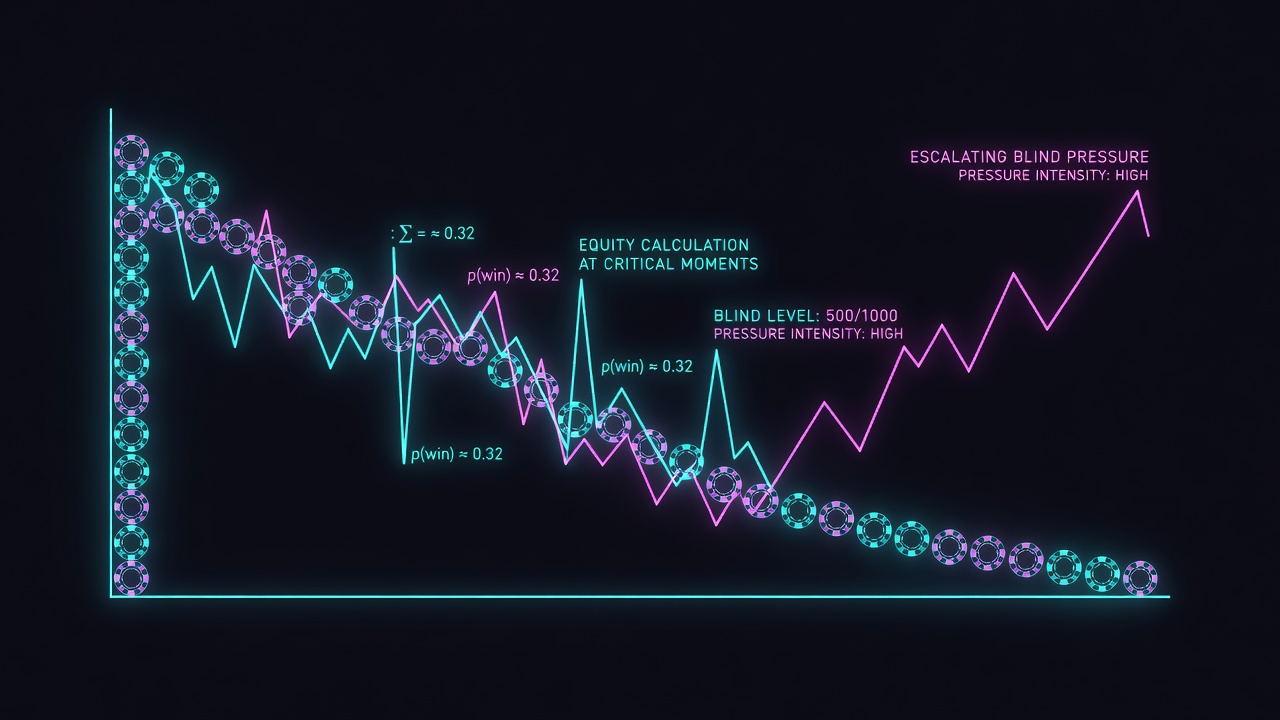
Short-Stack Strategy for Poker Tournaments
When the blinds have eaten your chips down to a whisper, the game changes. A dealer I worked with in Macau explained this better than any poker book ever could.
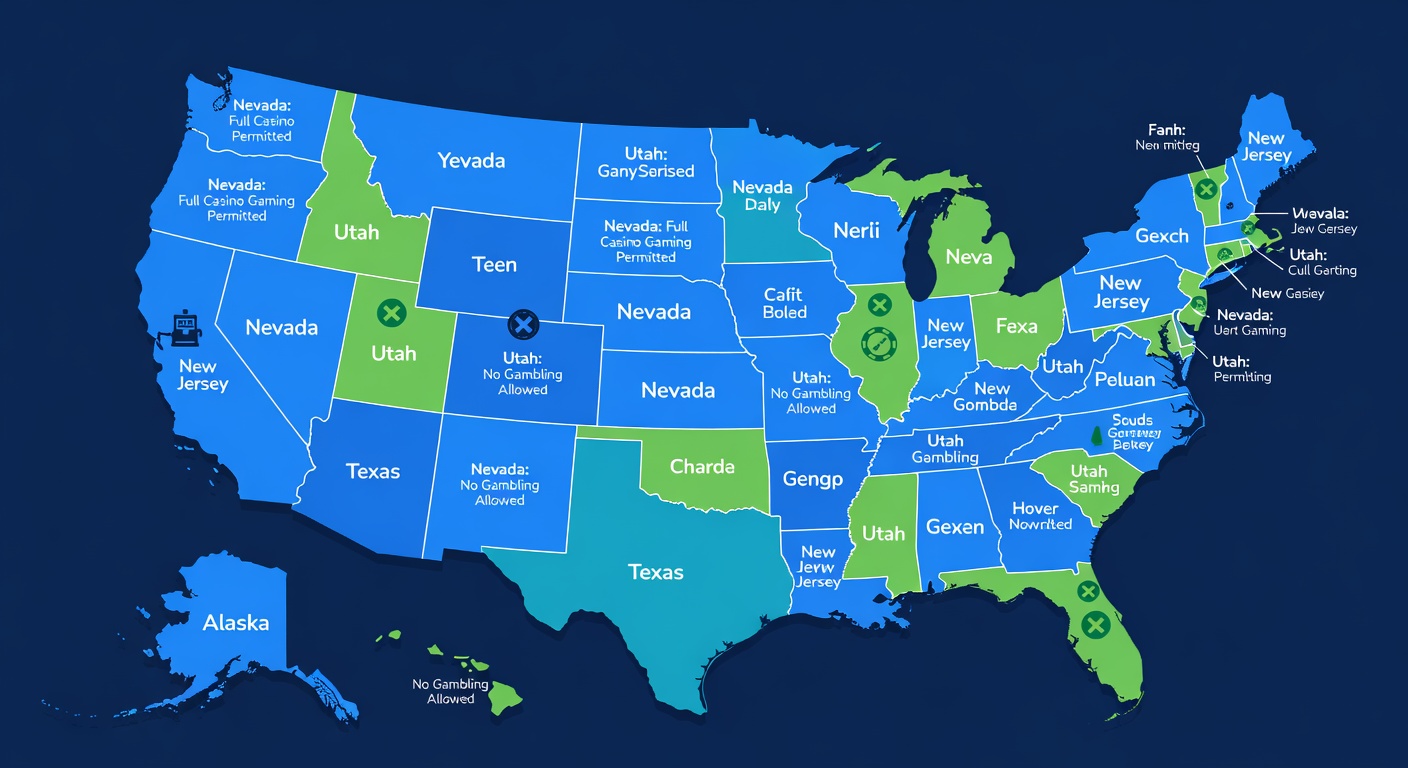
How US State-by-State Online Gambling Regulation Generally Works
Federal law does not explicitly ban online gambling. It does not explicitly allow it either. So states do. Each state makes its own decision. This creates 50 different legal regimes and a patchwork that would baffle a bureaucrat.