How US State-by-State Online Gambling Regulation Generally Works
Federal law does not explicitly ban online gambling. It does not explicitly allow it either. So states do. Each state makes its own decision. This creates 50 different legal regimes and a patchwork that would baffle a bureaucrat.
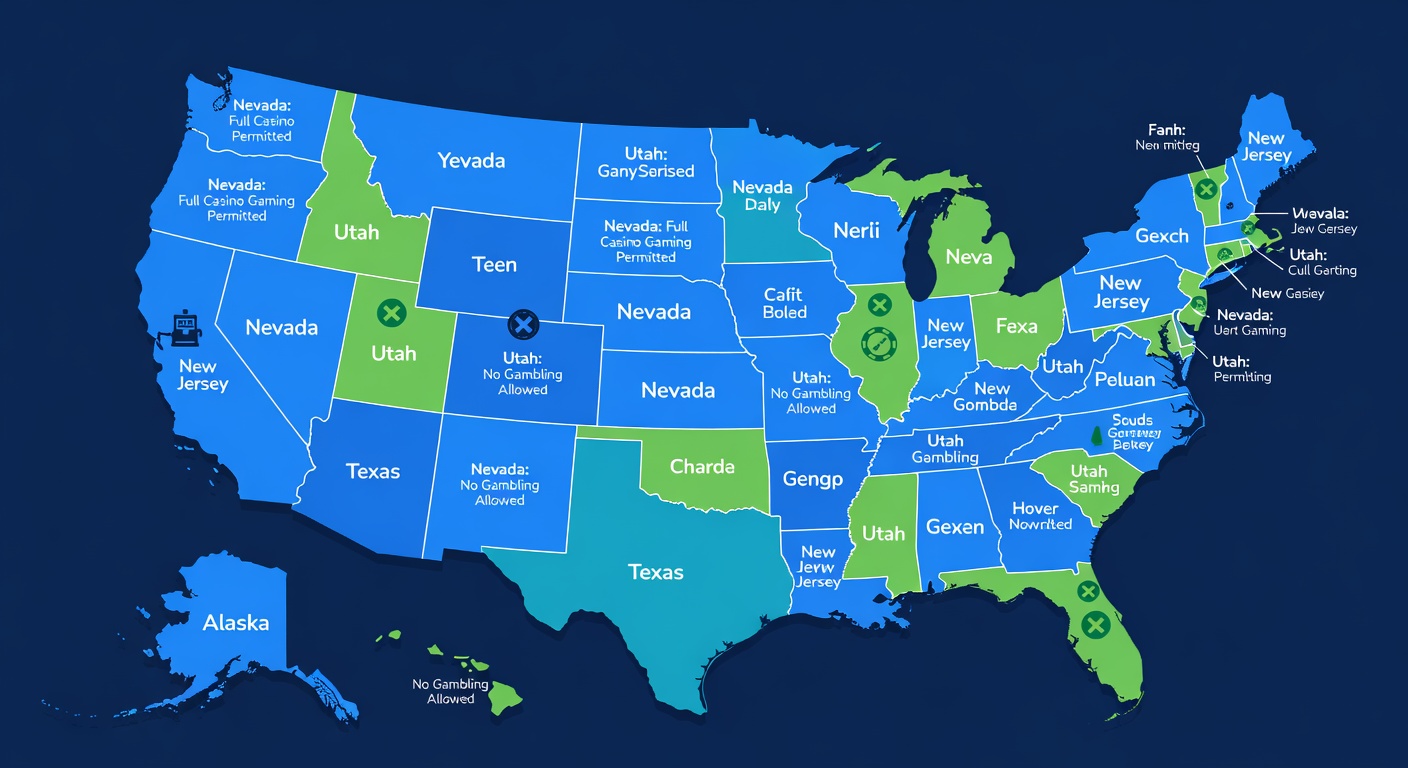
The United States has no federal regulator for online gambling. This is intentional. Congress has chosen not to create one. Therefore, gambling is regulated at the state level.
Each state decides: is online gambling legal? What forms? Who gets to operate? What are the rules?
The result is chaos. New Jersey allows online poker, sports betting, and slots. New York allows sports betting only. Texas allows none. California debated it for a decade and gave up.
The Legal Framework
Federal law (specifically the Unlawful Internet Gambling Enforcement Act of 2006, or UIGEA) does not ban gambling. It bans payment processors from facilitating unlawful gambling. "Unlawful" is defined by state law, not federal law.
Example: Online poker is unlawful in Texas. A payment processor cannot send money to a poker site on behalf of a Texas resident. But online poker is lawful in New Jersey. The same payment processor can send money from New Jersey residents to that site.
This creates arbitrage. A person can claim residency in multiple states and gamble in some but not others. It is a mess.
State Models
Some states have legalized online gambling explicitly. New Jersey (2013), Nevada (2013), Delaware (2012), Pennsylvania (2018), Michigan (2021), New York (2022). These states tax gambling revenue and regulate operators.
Other states have not legalized it. In these states, online gambling is a gray area. A resident might be able to use offshore sites (technically illegal, but not enforced), but in-state operators cannot operate.
A few states have explicitly banned it. But many states just... have not decided yet.
How a State Legalizes
Typically, a state legislature passes a bill. The bill specifies:
- Which games are allowed (poker, slots, blackjack, etc.)
- Which operators get licenses (usually a limited number, 2-5 companies)
- What the tax rate is (usually 15-25% of gross revenue)
- What the regulations are (KYC, AML, RTP requirements, etc.)
The state then creates a gaming commission or assigns the responsibility to an existing agency (like a lottery commission). The commission issues licenses, collects taxes, and enforces rules.
An operator that wants to work in a state has to apply for a license, post a bond (usually 1-10 million dollars), and agree to audits and compliance checks.
The Tax Angle
Most states legalize gambling for revenue. A state might collect 50 million dollars a year in gaming taxes (from a state with 10 million residents). That is real money. It funds schools, infrastructure, problem gambling programs.
This creates political pressure to keep gambling legal once legalized. Any threat to ban gambling faces opposition from the state budget agency. No state has ever legalized gambling and then banned it, because the revenue is locked in.
Interstate Compacts
Some states have created interstate agreements (compacts) to allow cross-state play on poker. A player in New Jersey can compete with a player in Nevada on the same poker table online. The compact allows this.
But compacts are rare and limited. Most states do not participate. Slots and blackjack remain jurisdiction-locked.
Problem Gambling
States that legalize gambling are required by law to set aside money for problem gambling treatment. The amount varies, but typically 1-3% of gross revenue goes to therapy, prevention, and helplines.
This is in tension with profit motive (gambling operators want more players, regulators want fewer problem players). The balance is imperfect.
The Future
More states will legalize sports betting (already 35+ have). Online poker will eventually be legalized in most states, but it will take time. Slots and table games online are slower to come because they have higher problem gambling risk.
The patchwork will persist. No federal framework will emerge unless Congress acts, and Congress has no incentive to unify gambling under federal law (states like the tax revenue too much).
For a player, this means you need to know your state's laws before you gamble online. Using an offshore site in a state where in-state gambling is legal might be illegal. Conversely, using an in-state site in a state where offshore gambling is legal is definitely legal.
The mathematics is simple: the state wants tax revenue, and the player wants to gamble. The regulation is the state's attempt to extract taxes while allowing the gamble. It works better in some states than others.
Next notes
More from #poker
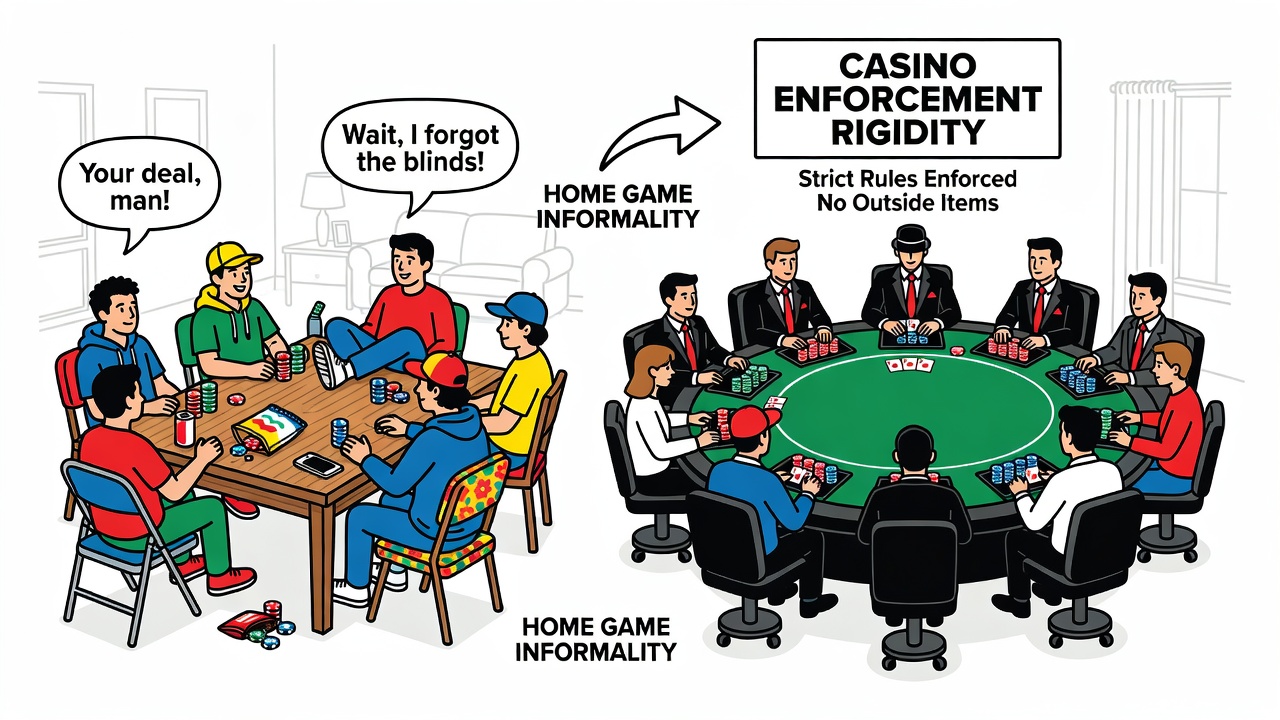
How Home Poker Games Differ From Casino Cash Games
A careful examination of the legal, social, and mathematical differences between home poker and casino cash games reveals that the similarities are often overstated.
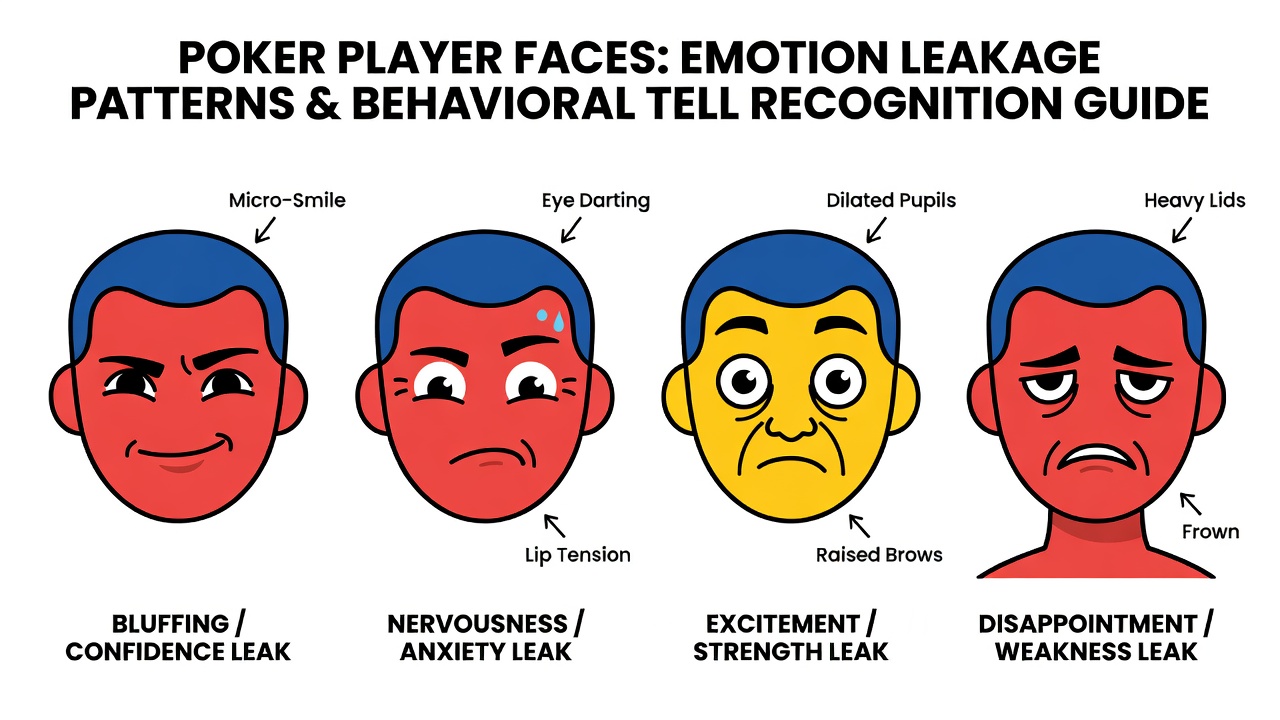
Poker Tells in Live Games: What to Watch For
A tell is a behavioral pattern that reveals hand strength. Poker players are trying to mask their emotions. The tells emerge from the parts they forgot to mask.
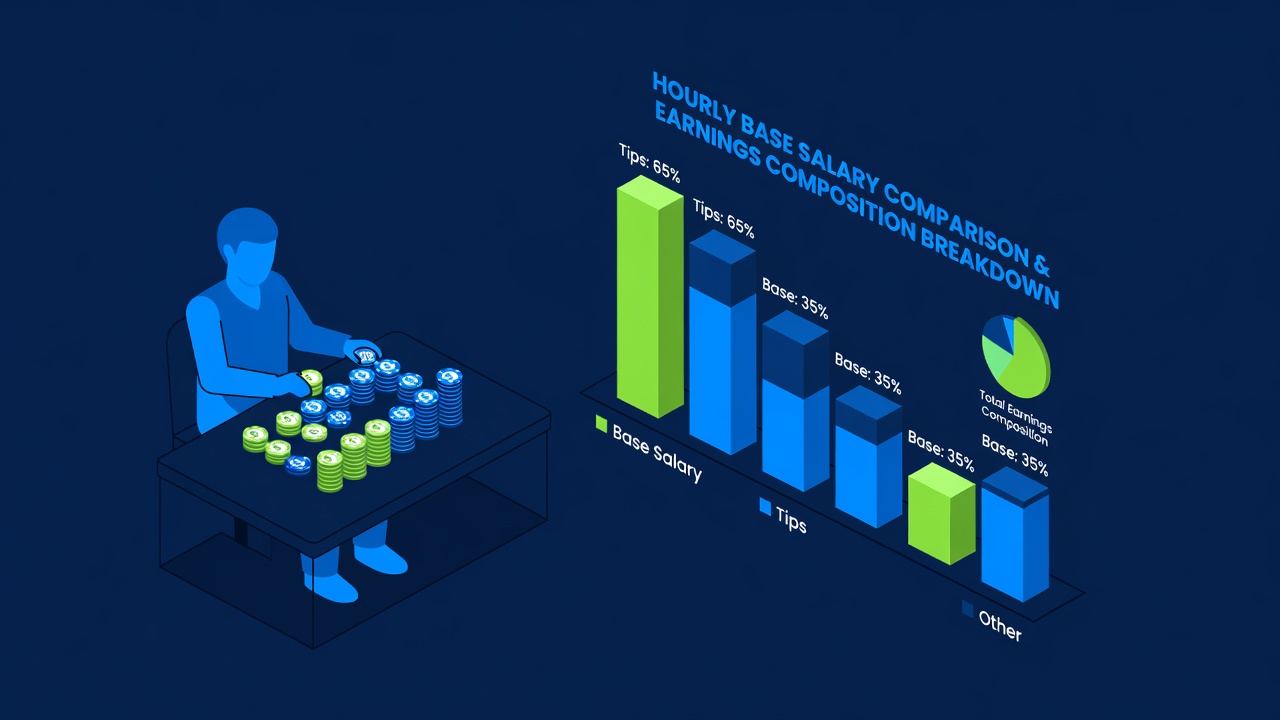
Tipping Dealers in Live Poker: What's Appropriate
A dealer working five hours on a Tuesday afternoon at a regional poker room makes maybe $200 in base salary. Everything else is tips. This changes how you understand the relationship between player and dealer.

Poker Night TV: The Rise and Fall of Televised Poker on ESPN
ESPN started broadcasting poker in 2003. For five years, it was the most watched non-sports programming on the network. Then it disappeared. The moral is that even good things end when people stop watching.

Short Deck Hold'em: Rules and Starting Strategy
Short deck removes the twos through fives. The math changes. Your hand values shift. Here is what adjusts.
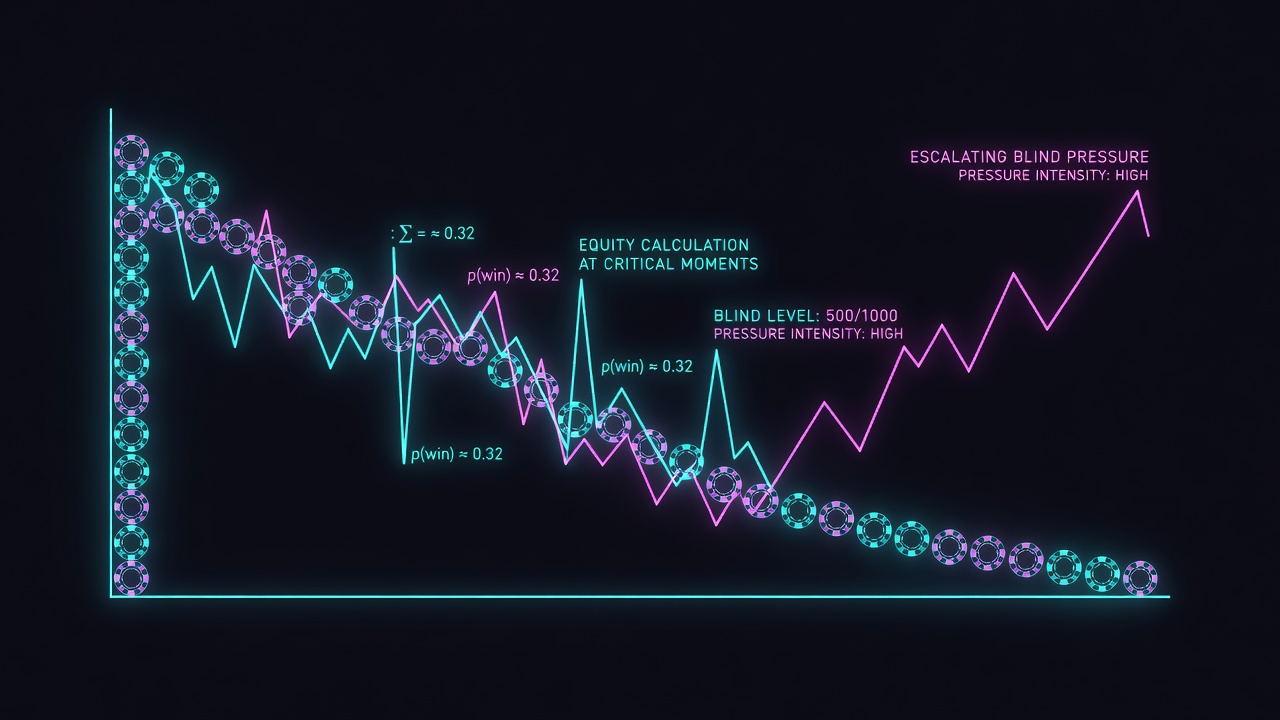
Short-Stack Strategy for Poker Tournaments
When the blinds have eaten your chips down to a whisper, the game changes. A dealer I worked with in Macau explained this better than any poker book ever could.