Short Deck Hold'em: Rules and Starting Strategy
Short deck removes the twos through fives. The math changes. Your hand values shift. Here is what adjusts.
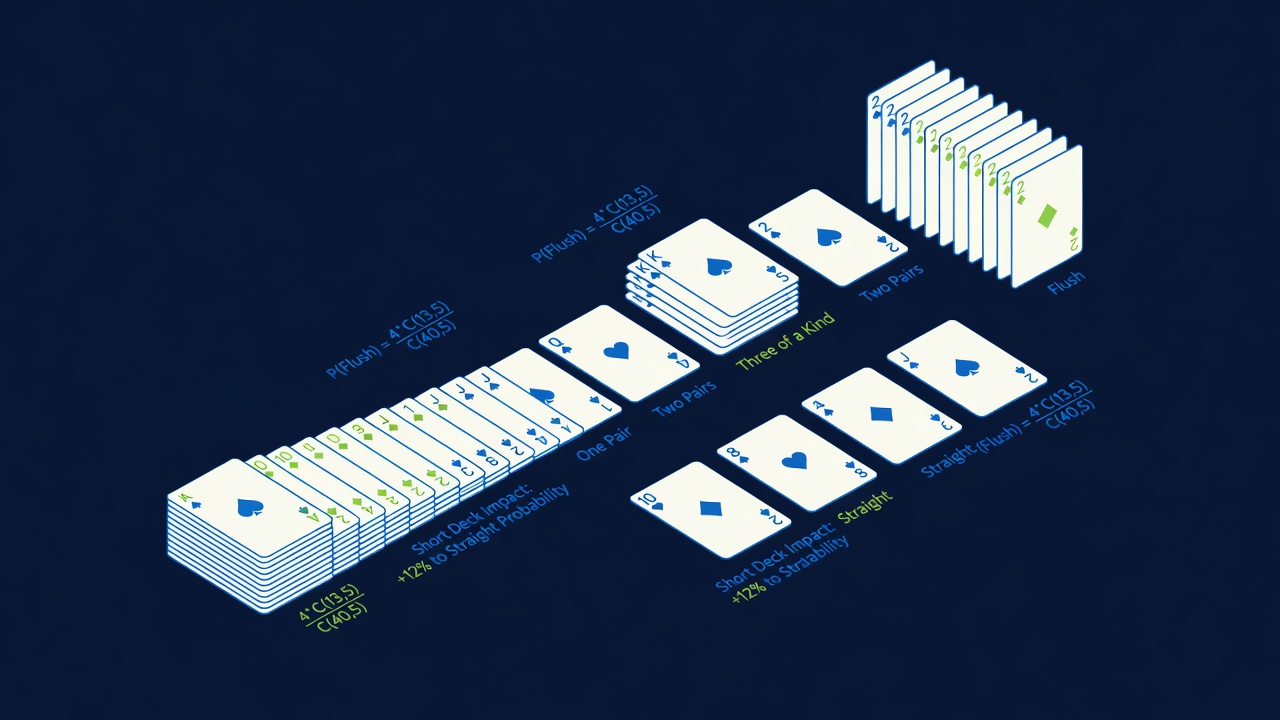
Short deck is six-plus hold'em. Remove the twos, threes, fours, and fives. That leaves thirty-six cards and a different game entirely. If you play regular hold'em, short deck will punish you unless you adapt.
First, the basic shifts. Pairs are less rare because there are fewer cards in the deck. An overpair to the board is weaker than you think. Flushes come faster. Straights almost disappear because the deck is smaller, but the straight hand itself gets stronger because there are fewer unpaired cards.
What Changes in Value Ranking
In regular hold'em, a pair of nines is a monster on a three-seven-jack board. In short deck, it is still strong but less dominant. The removal of low cards tightens the distribution. A three-seven-jack board is more likely to be hit by your opponent because there are fewer dead cards.
Flushes move up the hand hierarchy. You go from 1 in 494 shot to roughly 1 in 77. That is a massive change. A flush draw has more equity than you expect. A backdoor flush draw in short deck has value you would never give it credit for in regular hold'em.
Straights get weird. There are fewer combinations because the two through five are gone. King-queen-jack-ten is the highest straight. Ace-six-five-four does not exist anymore. Ace-king-queen-jack-ten is still the highest straight, but the low end of the straight distribution collapses. If you have a gutshot, you have fewer outs than you think.
Three of a kind becomes more powerful because set value improves when the deck is smaller. You hit a set on the flop and the opponent has fewer cards to pin you. Full houses play stronger for the same reason.
Position and Range Adjustments
In short deck, open wider. Remove hands like jack-eight and queen-nine from your opening range. Keep ace-anything. Keep kings and queens. Keep broadway combinations. Add low pocket pairs that you would fold in regular hold'em because set value increases.
The button becomes even more abusive than it is in regular poker. Ranges grow because the hand thresholds shift. On a button with six to seven players still to act, you are opening forty to fifty percent of your hands. Fold equity improves because the effective ranges are wider on both sides.
Postflop Play
Check-raising frequency increases because implied odds shrink. In regular hold'em, a flush draw might chase you down for three streets. In short deck, that same draw hits so often that your range-bet line gets crushed. You need to check-raise more often to protect your value hands and take down pots immediately with unpaired, unconnected cards.
C-betting becomes riskier. Your marginal hands generate less fold equity because your opponent's range connected more often. You shift toward betting more value hands and fewer air hands. The math forces tighter, more value-focused postflop play.
Bankroll and Variance Considerations
Short deck swings harder. Implied odds change the game's raw equity distribution, meaning hands run closer and more often. AA might be 65 percent to win pre-flop in regular hold'em; in short deck it is closer to 70 percent. That sounds small until you play three hundred hands per day for a year.
You need a bigger bankroll for the same stakes. The reduced deck size creates more all-in spots because hand strength clusters around the middle. You are less likely to fold the best hand pre-flop, more likely to ship it in, and more likely to lose races you would not have played in regular hold'em.
The learning curve is steep but mechanical. Short deck rewards tight adaptation and punishes transposed hold'em logic. Study the hand rankings, understand why flush value exploded, and adjust your opening ranges. The rest follows.
Next notes
More from #poker
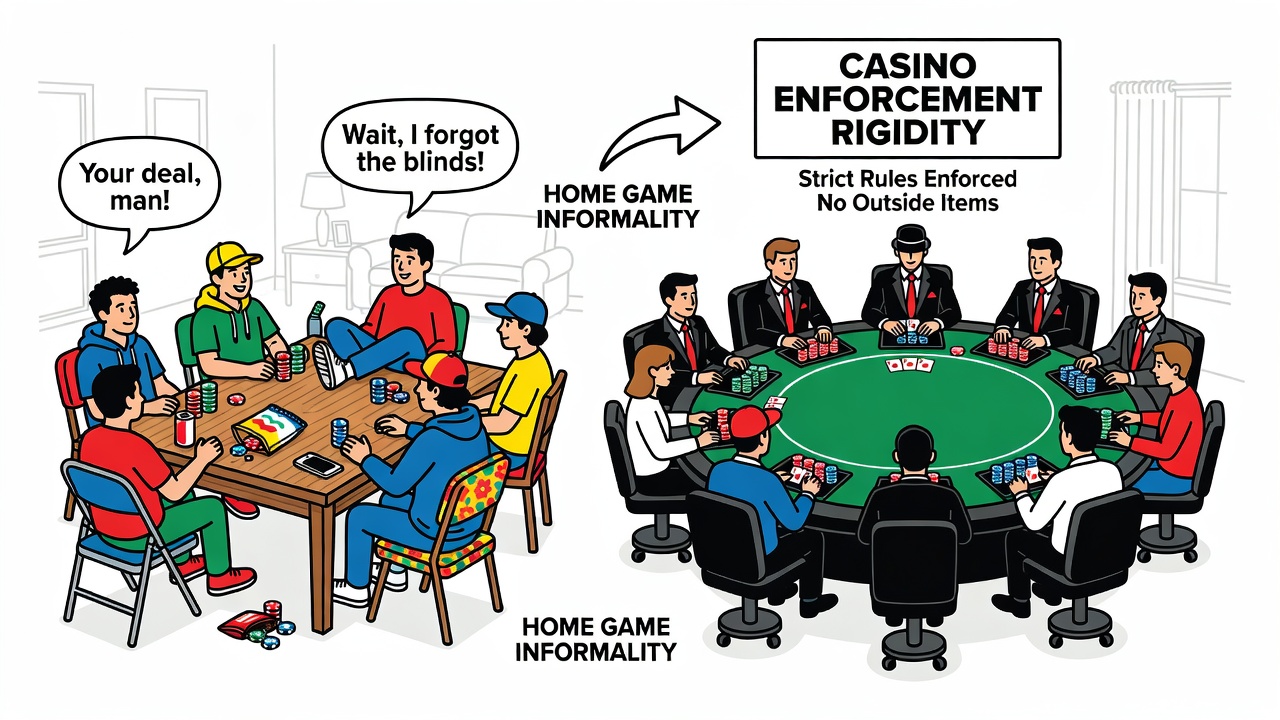
How Home Poker Games Differ From Casino Cash Games
A careful examination of the legal, social, and mathematical differences between home poker and casino cash games reveals that the similarities are often overstated.
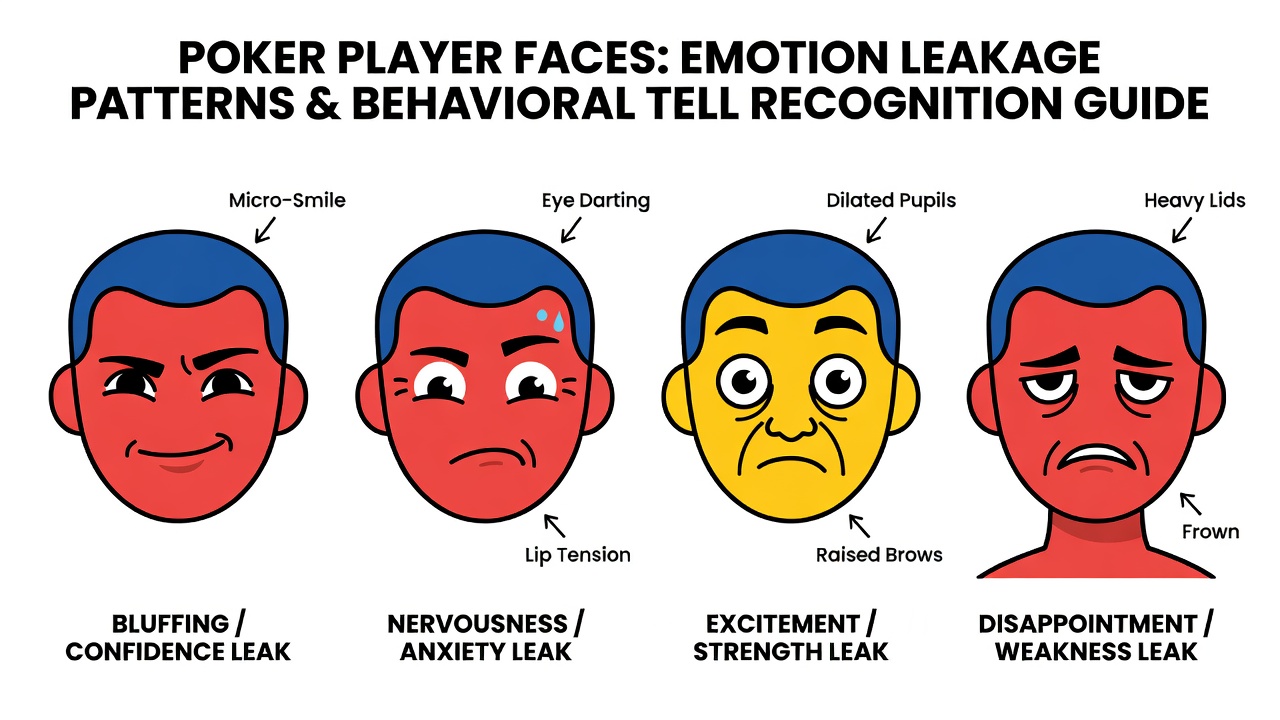
Poker Tells in Live Games: What to Watch For
A tell is a behavioral pattern that reveals hand strength. Poker players are trying to mask their emotions. The tells emerge from the parts they forgot to mask.
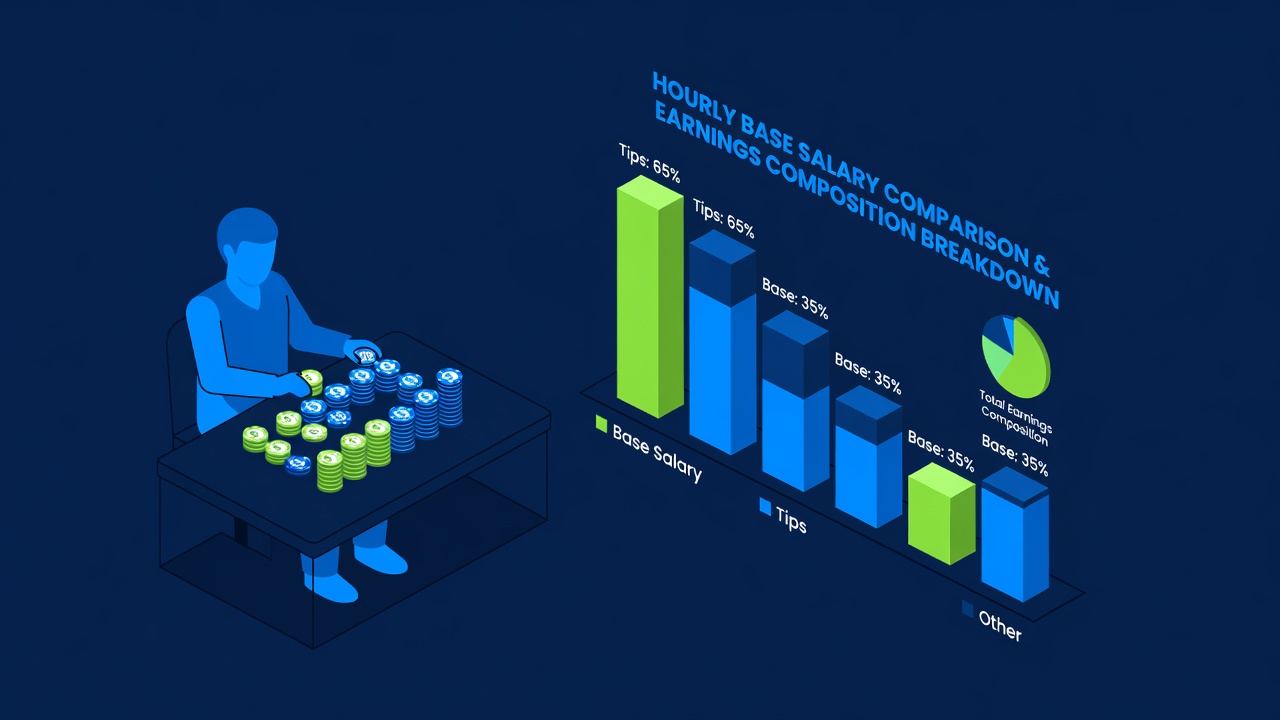
Tipping Dealers in Live Poker: What's Appropriate
A dealer working five hours on a Tuesday afternoon at a regional poker room makes maybe $200 in base salary. Everything else is tips. This changes how you understand the relationship between player and dealer.
Poker Night TV: The Rise and Fall of Televised Poker on ESPN
ESPN started broadcasting poker in 2003. For five years, it was the most watched non-sports programming on the network. Then it disappeared. The moral is that even good things end when people stop watching.

Short-Stack Strategy for Poker Tournaments
When the blinds have eaten your chips down to a whisper, the game changes. A dealer I worked with in Macau explained this better than any poker book ever could.
How US State-by-State Online Gambling Regulation Generally Works
Federal law does not explicitly ban online gambling. It does not explicitly allow it either. So states do. Each state makes its own decision. This creates 50 different legal regimes and a patchwork that would baffle a bureaucrat.