Poker Night TV: The Rise and Fall of Televised Poker on ESPN
ESPN started broadcasting poker in 2003. For five years, it was the most watched non-sports programming on the network. Then it disappeared. The moral is that even good things end when people stop watching.
The Setup
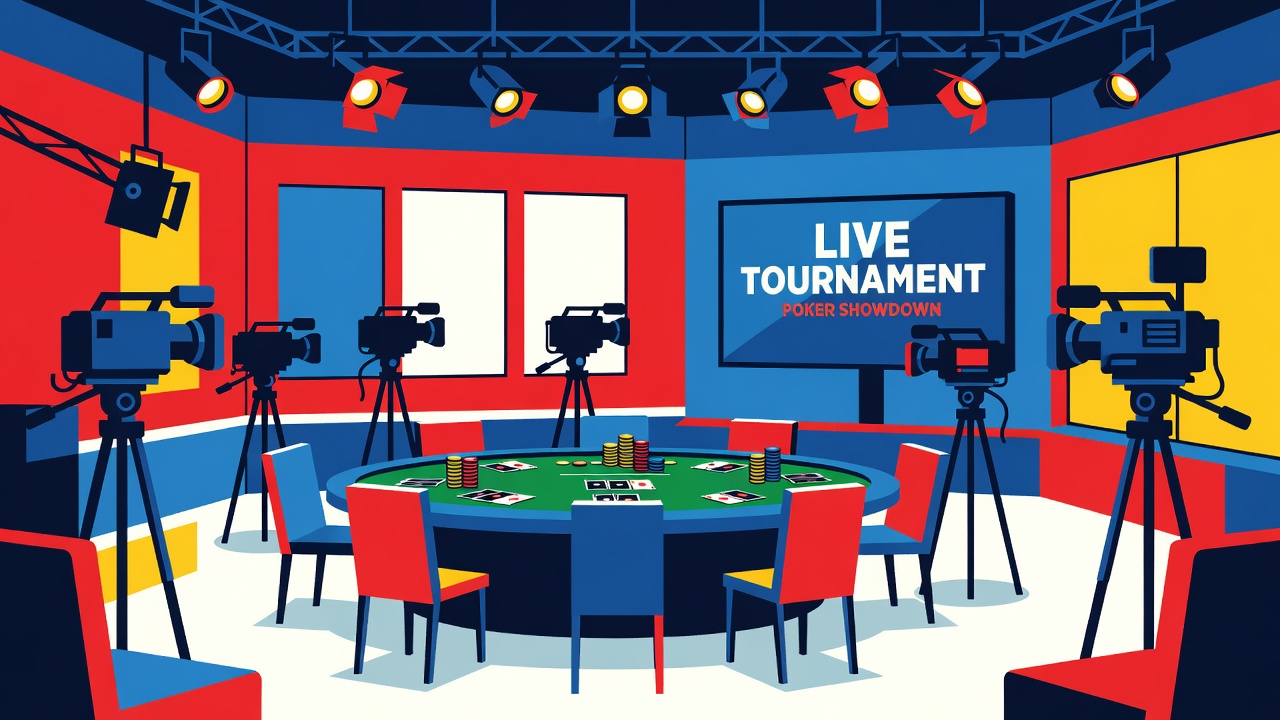
In 2003, ESPN was looking for cheap programming. Poker was suddenly popular. Someone decided to point a camera at a table and broadcast it.
The innovation was simple. Show the hole cards to the audience using a special camera system. The viewer knows what the players are holding. The drama is watching the players make decisions based on incomplete information while the audience knows the outcomes in advance.
This is not groundbreaking television. It's basically a cooking show where you know the recipe and the audience watches to see if the chef gets it right.
The Golden Age
2003 to 2008. World Series of Poker Main Event Main Event Main Event. Every June, ESPN would broadcast hours of poker. Chris Moneymaker won in 2003. Suddenly everyone wanted to learn poker.
Online poker sites exploded. Party Poker, PokerStars, Full Tilt. The American public discovered Texas Hold'em. Millions of people started playing.
The television ratings were absurd. In 2006, the World Series of Poker Main Event final table drew over 1 million viewers on a weeknight. That's enormous for a niche subject.
Poker became a lifestyle. Young men wore sunglasses and hoodies to play poker. Poker chips became fashion accessories. The poker documentary "All In" premiered in 2007. Poker was everywhere.
ESPN was broadcasting 40+ hours of poker per week. World Poker Tour. World Series of Poker. Celebrity Poker Showdown. European Poker Tour. Every network wanted to broadcast poker.
The Decline
It started in 2006. The Unlawful Internet Gambling Enforcement Act passed Congress. Online poker sites operating legally in the United States became illegal.
Party Poker, the biggest site, pulled out of the US market. Millions of casual players lost their accounts. The online poker boom ended. New players stopped discovering poker.
The television ratings began to fall immediately. 2007 saw a dip. 2008 saw a larger dip. By 2009, ESPN had cut their poker programming in half.
The Financial Crisis happened. Advertising revenue dropped. Entertainment consumption shifted. ESPN stopped broadcasting poker almost entirely by 2012.
The Collapse
By 2013, poker had essentially disappeared from ESPN. Occasional World Series of Poker episodes ran, but nothing like the 40-hour weekly schedule from 2005.
The interesting part is how quickly this happened. From dominant cultural presence to irrelevance in about five years.
Why It Mattered
Poker on television created a feedback loop. People watched. They played. They got better. They watched for strategy information. The television became both entertainment and education.
Once online poker was banned, the feedback loop broke. People stopped playing. Ratings dropped. Networks stopped broadcasting. Fewer people discovered poker.
If online poker had remained legal in the US, the television ratings would probably have remained strong. The ban killed the ecosystem.
The Current State
Poker is still broadcast. But not on ESPN. The audience is specialized. Online platforms like Twitch broadcast poker games. YouTube has poker content. But it's niche programming, not mainstream.
The audiences are smaller and more sophisticated. Casual players don't discover poker through ESPN anymore. Professional players broadcast their own games.
The broadcast medium changed. But the fundamental problem remains: poker on television only works if there's a large casual audience discovering and playing the game. Without that audience, the ratings are too low to justify broadcast space.
The Lesson
Television can create demand for things. But it can't sustain demand if the underlying ecosystem collapses. ESPN didn't stop broadcasting poker because people got bored. They stopped because the legal landscape made it impossible for people to feed the ecosystem.
Poker on television was never about the poker itself. It was about the ecosystem. The moment that broke, everything else followed.
Next notes
More from #poker
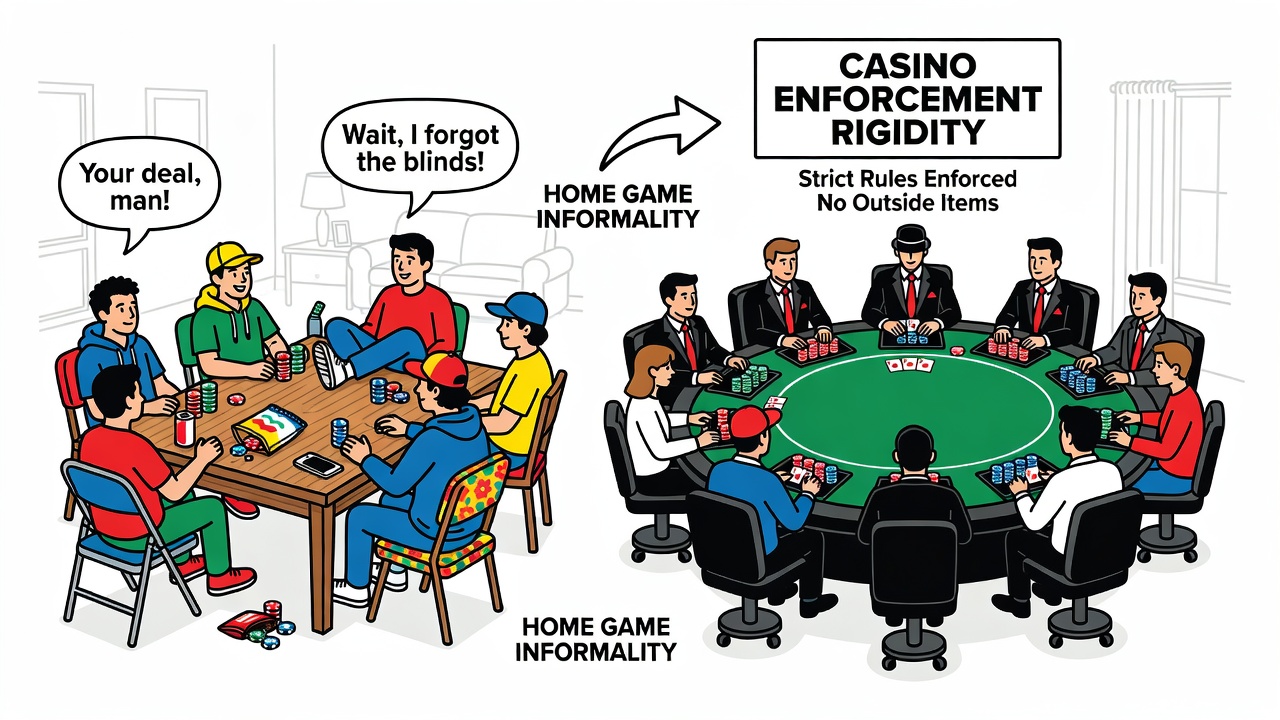
How Home Poker Games Differ From Casino Cash Games
A careful examination of the legal, social, and mathematical differences between home poker and casino cash games reveals that the similarities are often overstated.
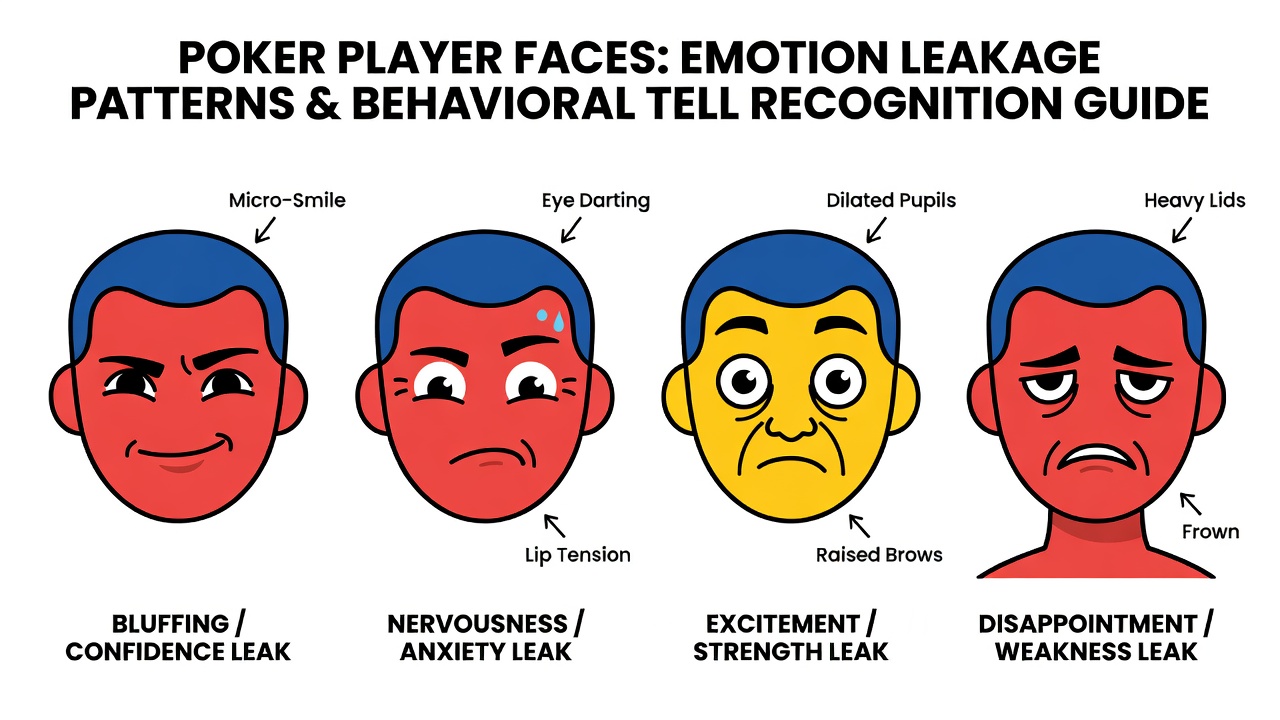
Poker Tells in Live Games: What to Watch For
A tell is a behavioral pattern that reveals hand strength. Poker players are trying to mask their emotions. The tells emerge from the parts they forgot to mask.
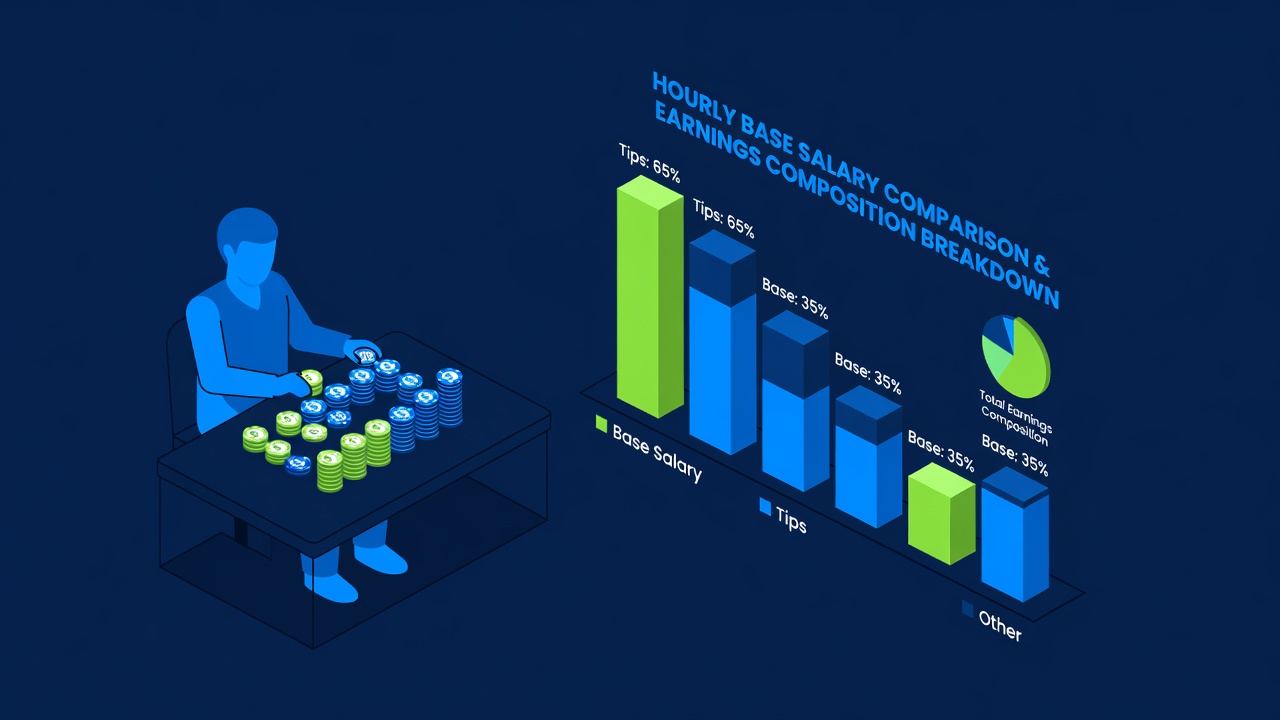
Tipping Dealers in Live Poker: What's Appropriate
A dealer working five hours on a Tuesday afternoon at a regional poker room makes maybe $200 in base salary. Everything else is tips. This changes how you understand the relationship between player and dealer.

Short Deck Hold'em: Rules and Starting Strategy
Short deck removes the twos through fives. The math changes. Your hand values shift. Here is what adjusts.
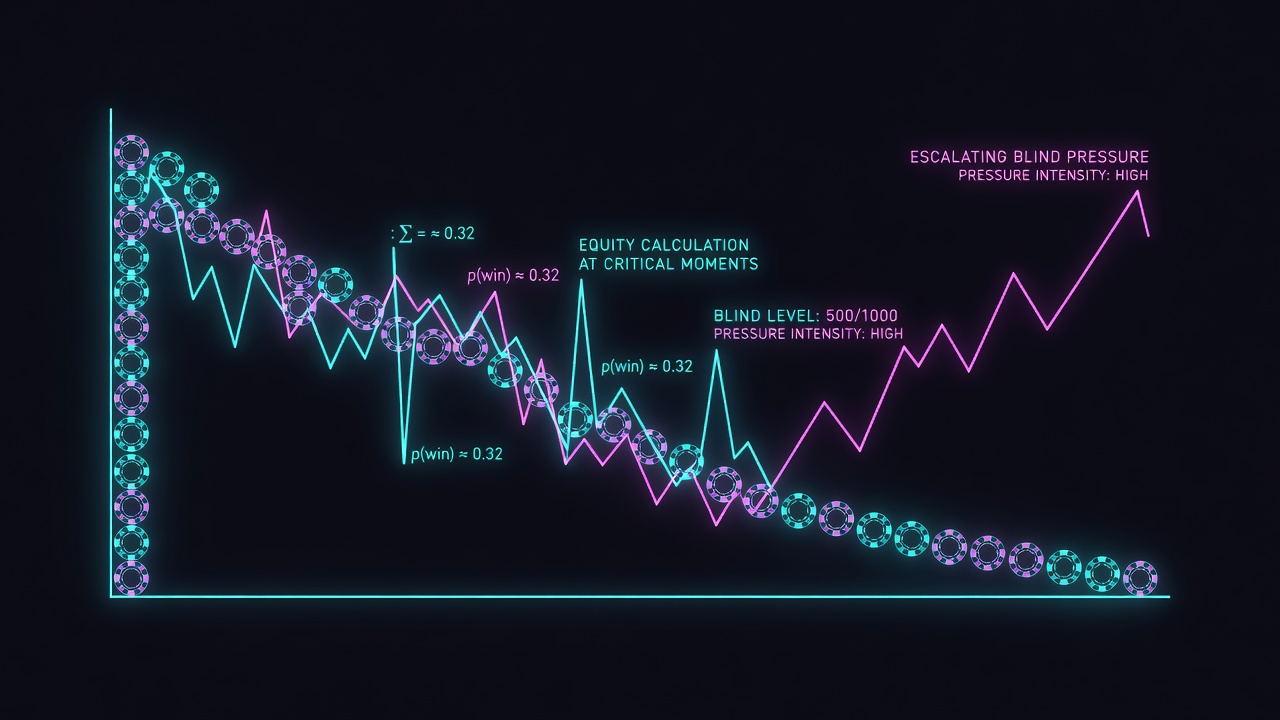
Short-Stack Strategy for Poker Tournaments
When the blinds have eaten your chips down to a whisper, the game changes. A dealer I worked with in Macau explained this better than any poker book ever could.
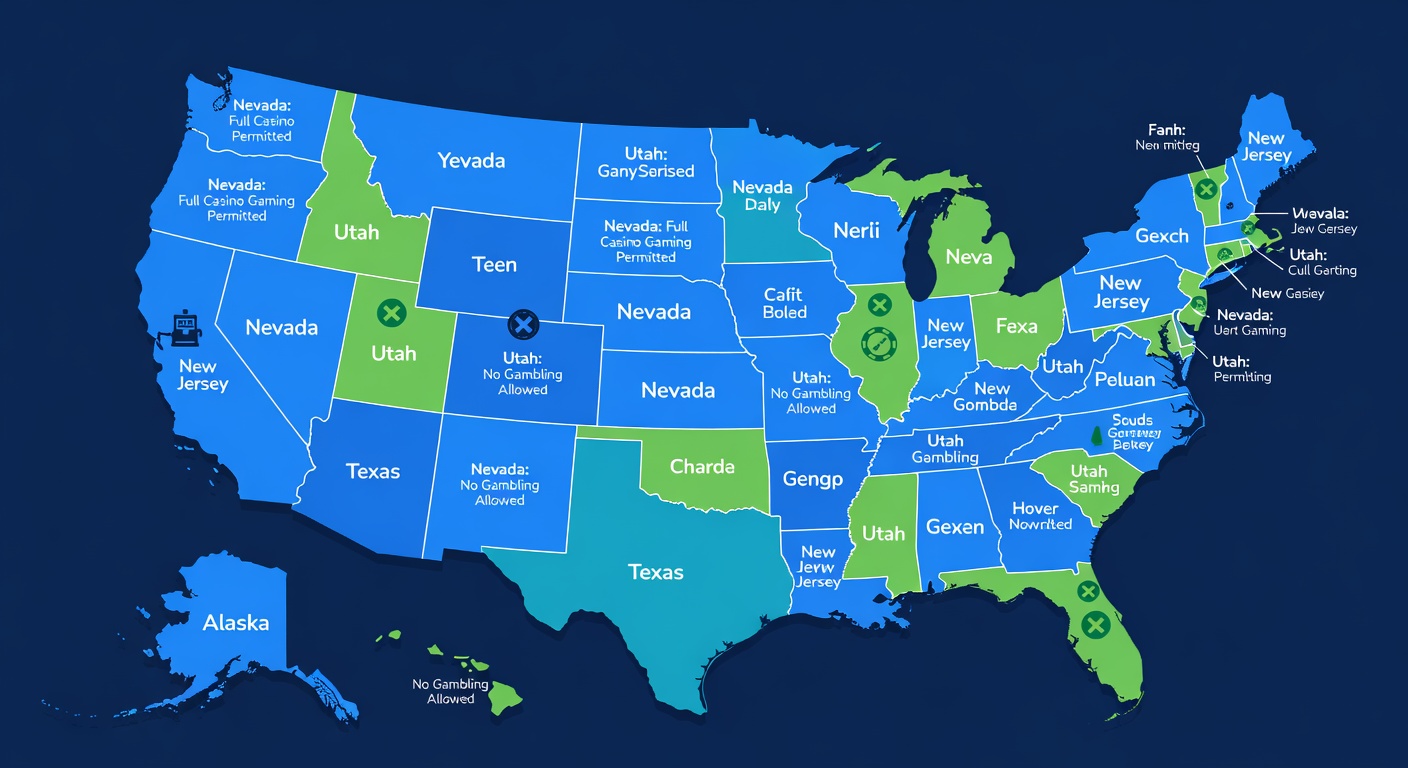
How US State-by-State Online Gambling Regulation Generally Works
Federal law does not explicitly ban online gambling. It does not explicitly allow it either. So states do. Each state makes its own decision. This creates 50 different legal regimes and a patchwork that would baffle a bureaucrat.