Short-Stack Strategy for Poker Tournaments
When the blinds have eaten your chips down to a whisper, the game changes. A dealer I worked with in Macau explained this better than any poker book ever could.
The tables where I worked at the Venetian Macau were smaller than those in Las Vegas. Everything was closer. The squeeze of the card came with intention. The bead-plate moved with ritual. Players sat with their hands folded, watching.
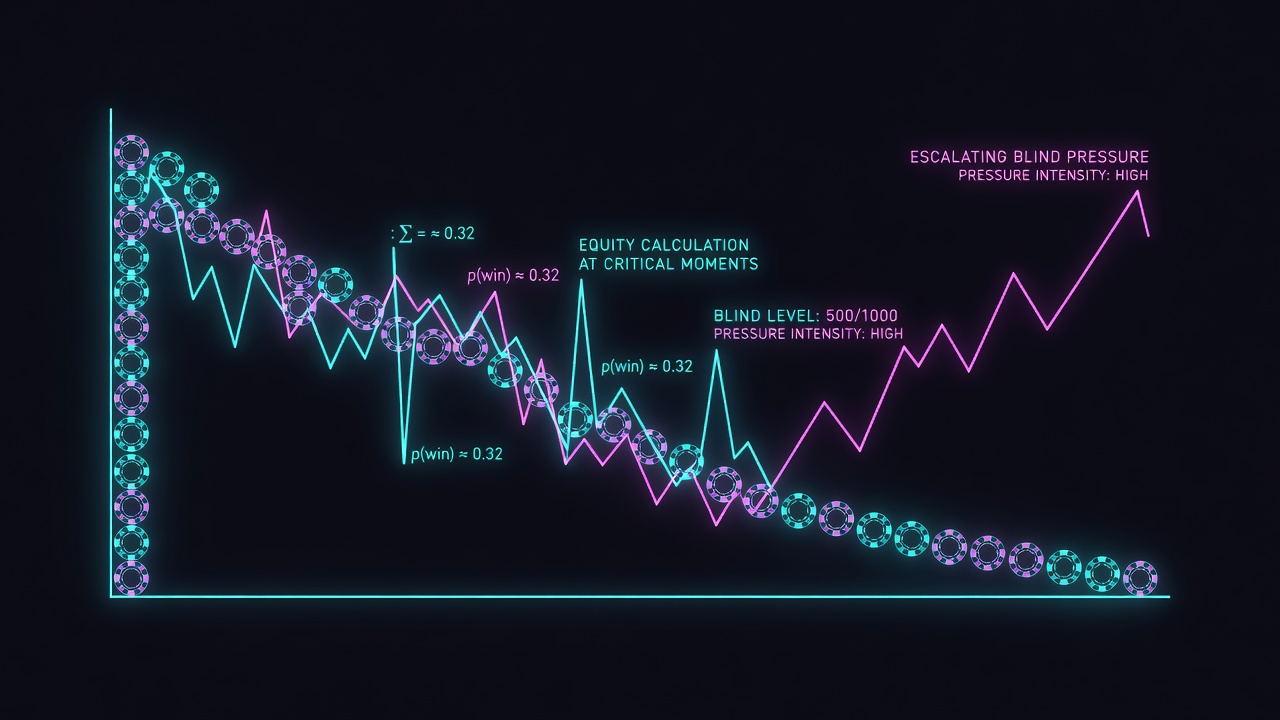
Short-stack poker is a transaction. When your chips drop below ten times the big blind, you are no longer playing a full game. You are executing a mathematics problem with a seven-minute deadline. The player who understands this first survives longer than the player hoping for a good hand.
I watched a gentleman from Hong Kong play short-stack poker with the precision of someone counting money. He carried exactly thirty-seven big blinds. The dealer button found him. He raised with jack-seven. The table folded. He moved to thirty-nine big blinds. On the next orbit, he held ace-three and called an all-in. A whale from Shanghai had pocket sixes. Ace-three lost. The gentleman from Hong Kong left with what remained and sat at another table.
The Mathematics of Desperation
When you are short-stacked, the hand strength matters less than the chip context. A pair of threes becomes a premium hand if you are five big blinds deep and everyone is tight. A queen-nine becomes a nightmare if you are ten big blinds deep and a player has already raised before you act.
The equity of your hand is not the only variable. The psychology of your opponents matters. Some players tighten up when facing a short-stacked all-in. They think; this person is desperate. I will wait for a better situation. These players give the short-stack a gift.
Other players smell weakness and attack. They will call or reraise you light, hoping to win your last chips. Against these players, the short stack needs to play tighter. You are not going to win this confrontation often. You need the confrontation to matter when you take it.
Position and Aggression
The small blind and button are the short stack's only friends. In these positions, you are raising with hands you would fold in middle position. The big blind hates giving chips to the short stack for free. The small blind is usually tighter. If you steal the blinds here, you extend your tournament life three or four orbits.
A woman I dealt to in a high-stakes room played short-stack poker like she was painting. She would tighten up in early position to almost nothing. By the time she reached the button, she was raising with any two cards. The table adjusted, and she adjusted to their adjustment. After eighteen minutes and a stroke of good fortune, she had doubled up three times.
Playing short-stack in the cutoff and hijack is studying futility. The button and small blind are waiting to trap you. If you raise, they call or reraise. If you fold, you bleed chips. The mathematics favor folding here and waiting for position.
The All-In Decision
There is a moment when every short-stack player faces a decision: I can fold and bleed, or I can push all my chips in. This decision should not be made in desperation. It should be made before you become desperate.
Calculate your ICM equity right now. Know what your chips are worth in the current structure. If you can fold three more orbits and maintain seventy percent equity, folding is the correct play. If you can only fold one more orbit, your hand requirements drop. You play ace-anything. You play king-jack. You play queen-ten.
The mistake I see is the short-stack player making this decision hand-by-hand, orbit by orbit. By then, desperation is guiding the choice, not mathematics. The best short-stack players decide in advance when they will push. Button, small blind, and under-the-gun plus one. That is the decision. Everything else is observation.
When a player has seventy-five percent of their chips already in the pot, they are all-in regardless. No hand matters anymore. The wheel is already spinning.
Next notes
More from #poker
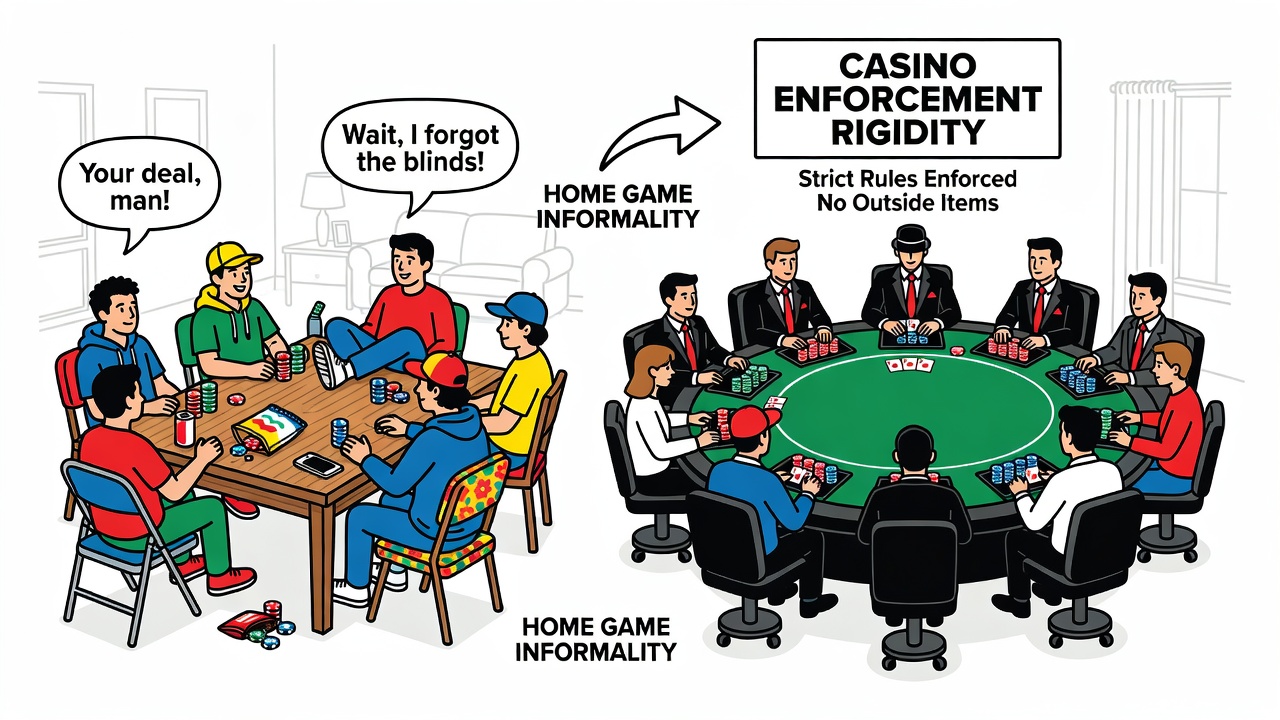
How Home Poker Games Differ From Casino Cash Games
A careful examination of the legal, social, and mathematical differences between home poker and casino cash games reveals that the similarities are often overstated.
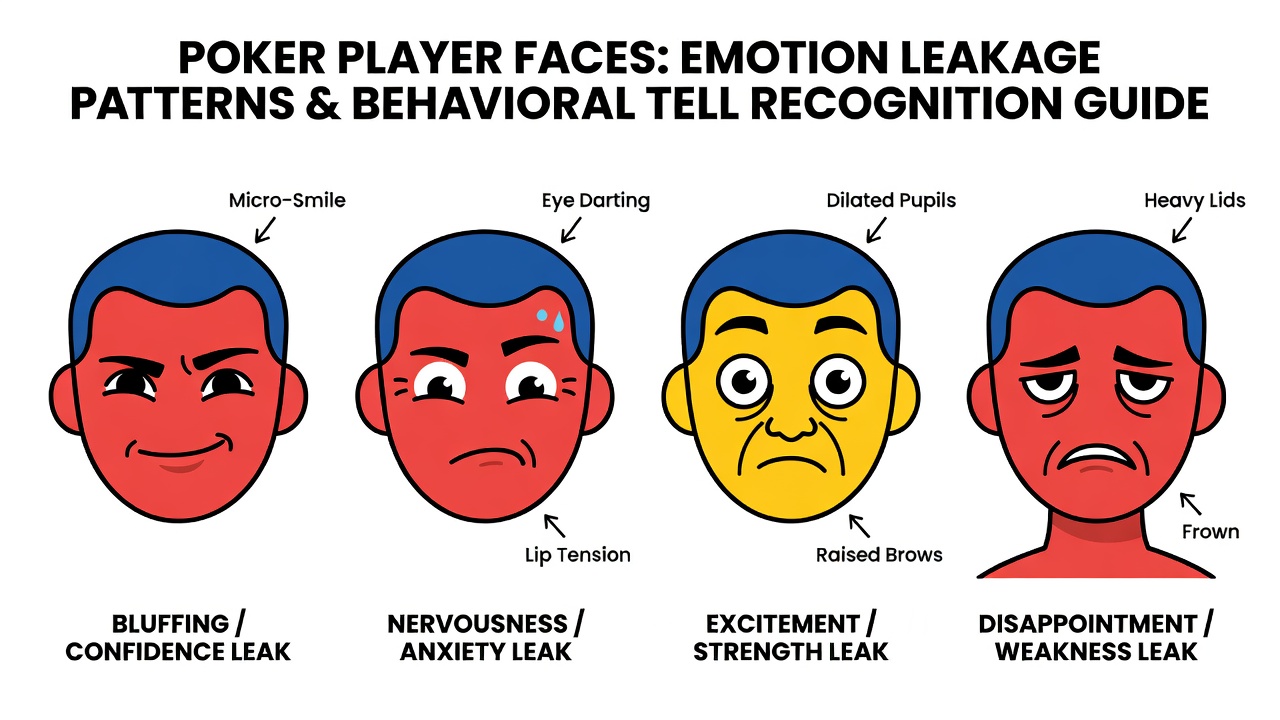
Poker Tells in Live Games: What to Watch For
A tell is a behavioral pattern that reveals hand strength. Poker players are trying to mask their emotions. The tells emerge from the parts they forgot to mask.
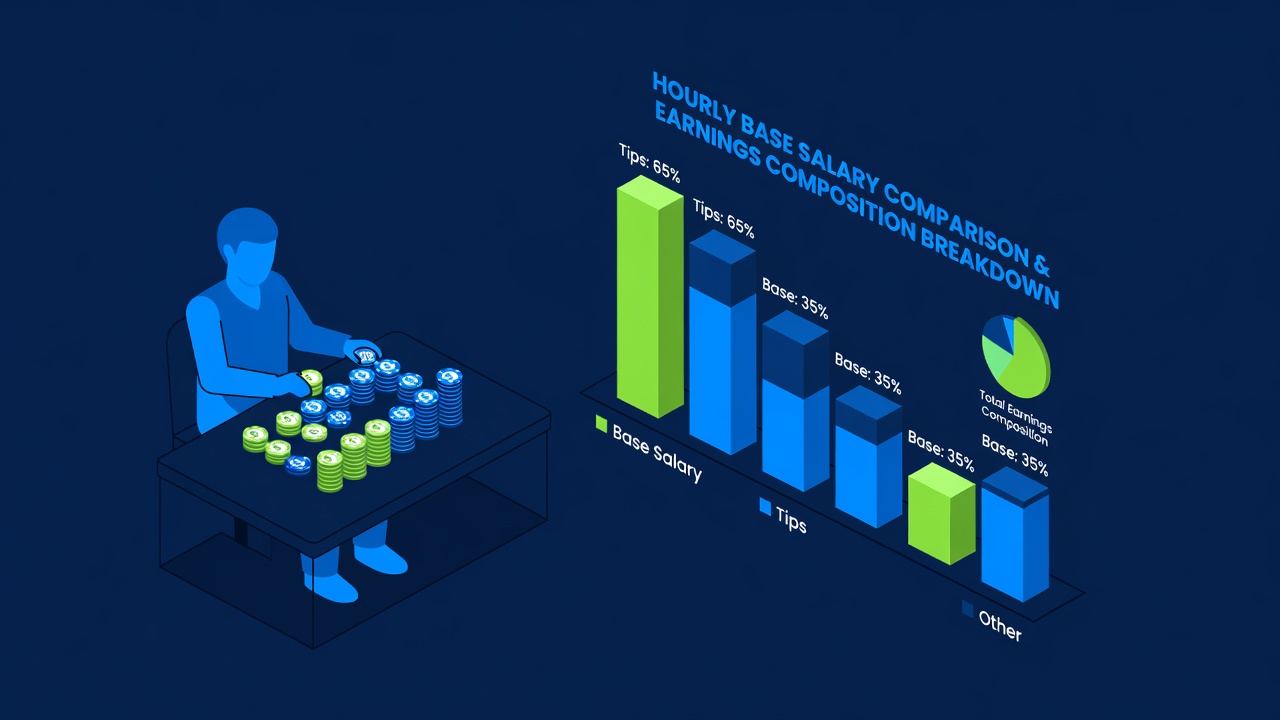
Tipping Dealers in Live Poker: What's Appropriate
A dealer working five hours on a Tuesday afternoon at a regional poker room makes maybe $200 in base salary. Everything else is tips. This changes how you understand the relationship between player and dealer.
Poker Night TV: The Rise and Fall of Televised Poker on ESPN
ESPN started broadcasting poker in 2003. For five years, it was the most watched non-sports programming on the network. Then it disappeared. The moral is that even good things end when people stop watching.
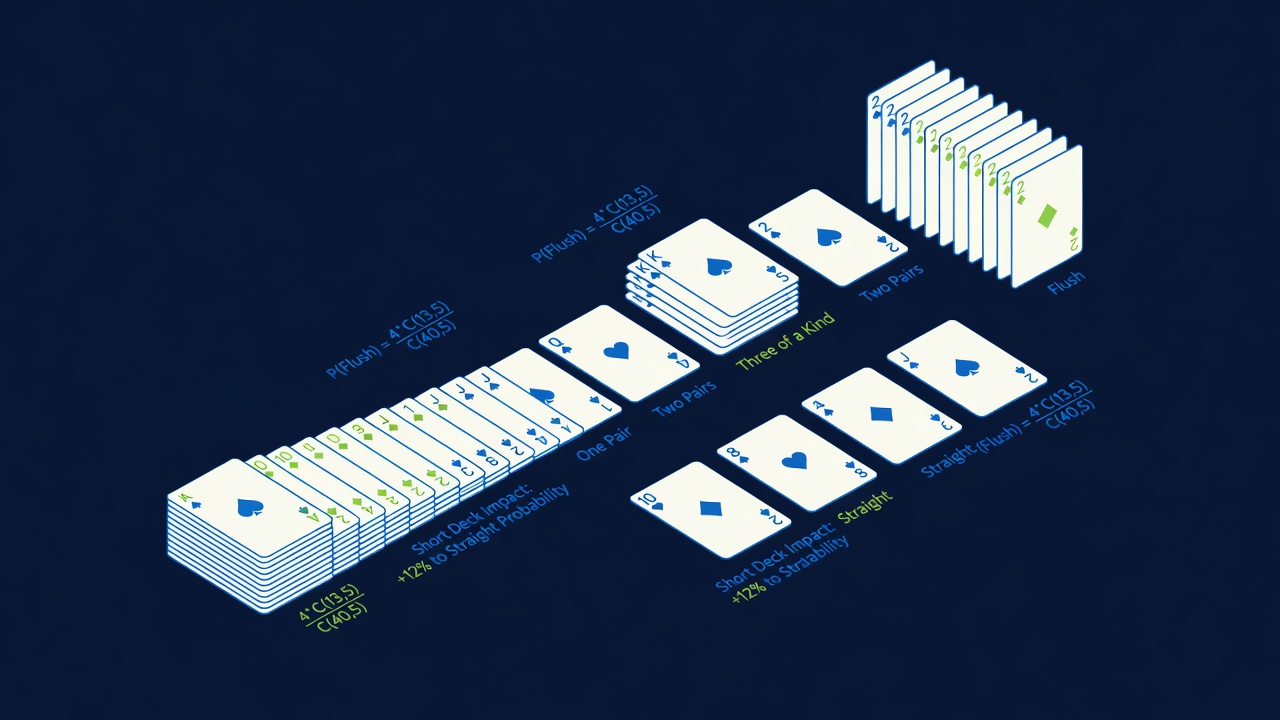
Short Deck Hold'em: Rules and Starting Strategy
Short deck removes the twos through fives. The math changes. Your hand values shift. Here is what adjusts.
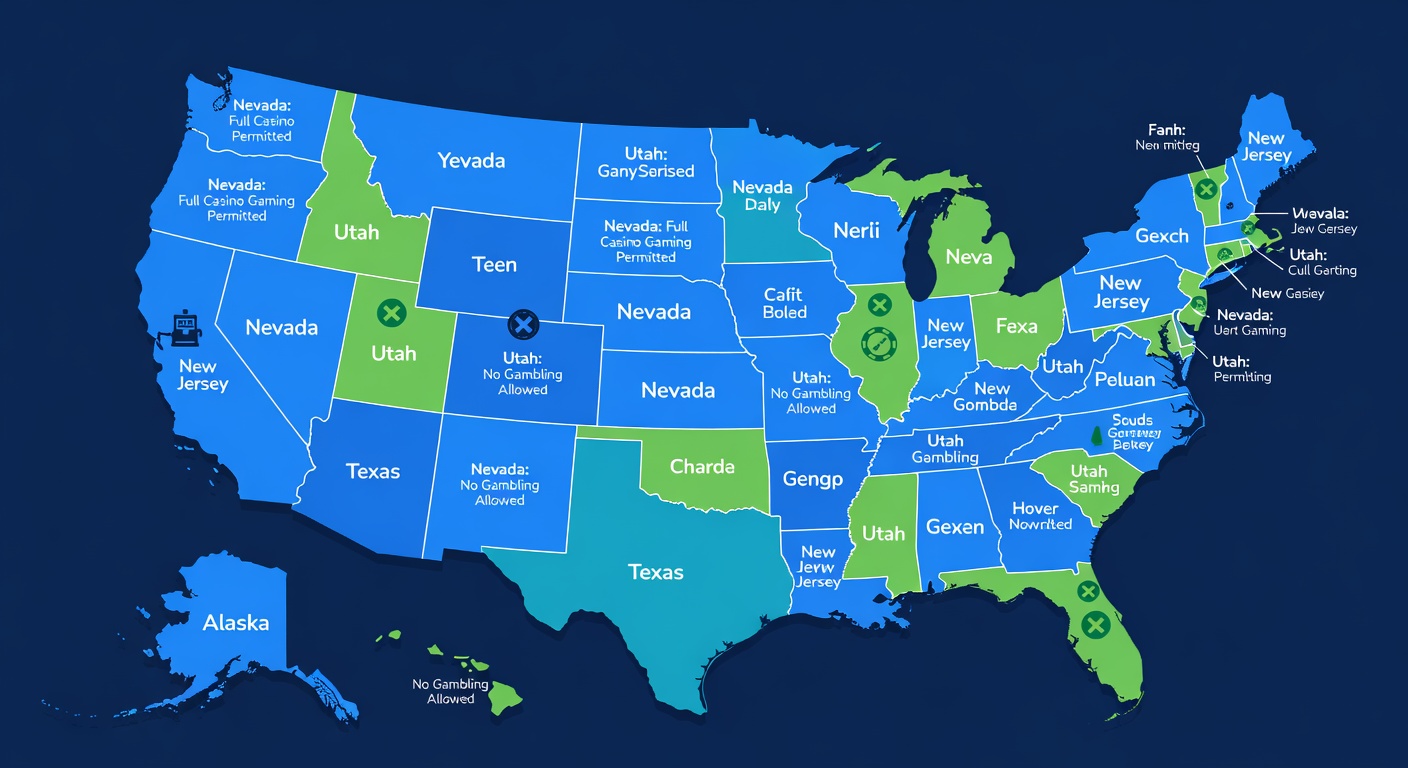
How US State-by-State Online Gambling Regulation Generally Works
Federal law does not explicitly ban online gambling. It does not explicitly allow it either. So states do. Each state makes its own decision. This creates 50 different legal regimes and a patchwork that would baffle a bureaucrat.