Provably Fair Baccarat: How It Differs From Standard RNG
Standard RNG baccarat is a black box. You trust the audit. Provably fair baccarat gives you the key. You can verify every hand yourself. The difference is not philosophical. It is cryptographic.
The old guard hates provably fair. "You cannot prove the protocol," they say. "The protocol proves the hand was generated fairly, not that it was dealt fairly." They are technically right and spiritually wrong.
Let me back up.
A traditional online casino runs baccarat on an RNG, a random number generator. The RNG is certified by an auditor (iTechLabs, GLI, eCOGRA). The audit runs the generator 50,000 times and checks that the output distribution matches the theoretical curve. If it does, the RNG is declared fair. Then the casino implements it, and you play.
You cannot verify this yourself. You cannot replay the hand. You can only trust the audit, and trust is expensive. It costs the casino $10,000 to $50,000 per certification. The cost gets passed to players through tighter margins.
Provably Fair: The Sketch
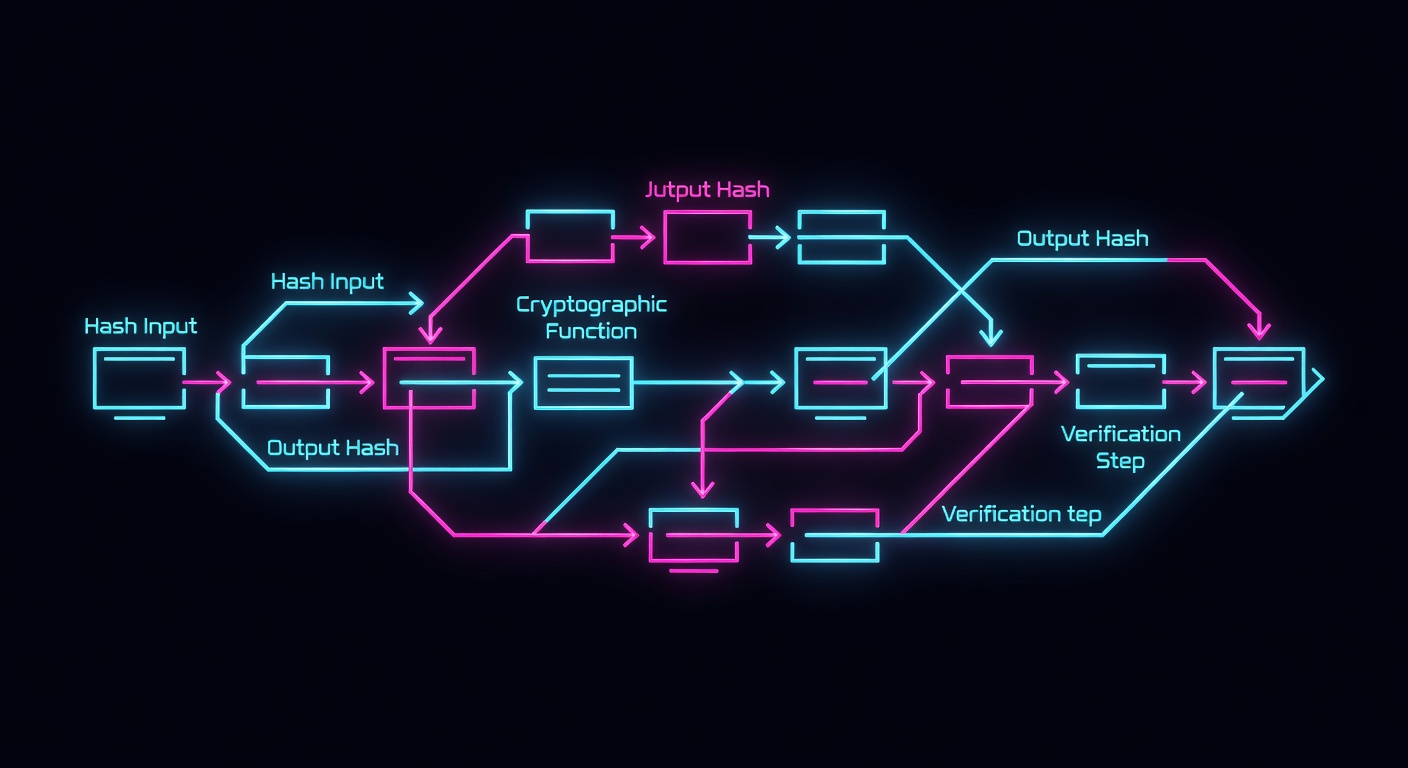
A provably fair baccarat game works differently. Before you are dealt a hand, the casino generates a server seed. They hash that seed (SHA-256, typically) and show you the hash. They do not show you the seed, only the hash.
Then you choose a client seed. Anything: "mango", "1729", "detroit", whatever. The casino takes both seeds, combines them, and generates your hand from that combination.
When the hand ends, the casino reveals the server seed. You hash it yourself and verify it matches the hash they showed you. Then you recompute the entire hand using both seeds and confirm the result. The entire chain is mathematically verifiable.
No audit required. No trust required. Math.
Why Casinos Moved to It
Bitcoin changed the industry. Early crypto operators like Stake (founded 2017) could not get ISO certifications because they could not open bank accounts. Provably fair was not a feature; it was a necessity. You cannot trust a casino with no regulatory foothold, so give the player a way to verify themselves.
But something unexpected happened. Players preferred it. Even players who trusted the casino preferred having the option to verify. The psychological effect is powerful. A hand is no longer an article of faith. It is a fact you can check.
The Real Difference
Standard RNG handles the variance problem (casino margin) through statistical design. The RNG is tuned so that player loss over 100,000 hands matches the house edge. Provably fair handles the same problem the same way, except the player can verify the distribution hand by hand if they want to.
Both require you to trust the distribution design. In provably fair, you trust the protocol. In standard RNG, you trust the audit. The audit is probably more trustworthy (it is an institution, usually), but provably fair gives you optionality. You can verify it yourself if you have the knowledge, or you can trust the protocol if you do not.
When It Breaks
Provably fair is vulnerable to one attack: the casino can choose the server seed after seeing your client seed. If they do this, they can generate seeds until they find one that produces a favorable hand for them. This is called "seed prediction."
Good provably fair implementations prevent this by committing the server seed (showing the hash) before you choose your client seed. Some early implementations screwed this up and casinos exploited it. Cloudbet and Stake do it correctly. Some newer operators skip steps.
Always verify the commitment happens first. If the casino shows you the server seed before you choose your client seed, do not play. The game is fixed.
Where We Are Now
MGA-regulated casinos are starting to offer provably fair as an option alongside standard RNG. It is a selling point for sophisticated players. The traditional operators still prefer the audit route (you pay for the audit, you own the narrative). But hybrid approaches are becoming standard. Play what you trust. The math will verify which one was right.
Next notes
More from #crypto-casinos
Penny Slots Online Casino Math: Why 1 Cent Games Hold More
Nevada's revenue report shows 1 cent slots holding 9.06% of every dollar played, more than $1 machines. Here is what a penny spin really costs.

Stablecoin Payment Gateway: From Wallet to Settled Dollars
How a stablecoin payment actually settles: Stripe's 10,000 USD cap, final once the chain records it, no chargebacks, refunds back to your wallet as tokens.

Tron in Crypto Gambling: Why It's Popular for USDT Deposits
Tron carries something in its design that speaks to a particular kind of want. The want for speed. The want for certainty. The want for transactions that happen now.
The Difference Between Crypto Casinos and Traditional Online Casinos
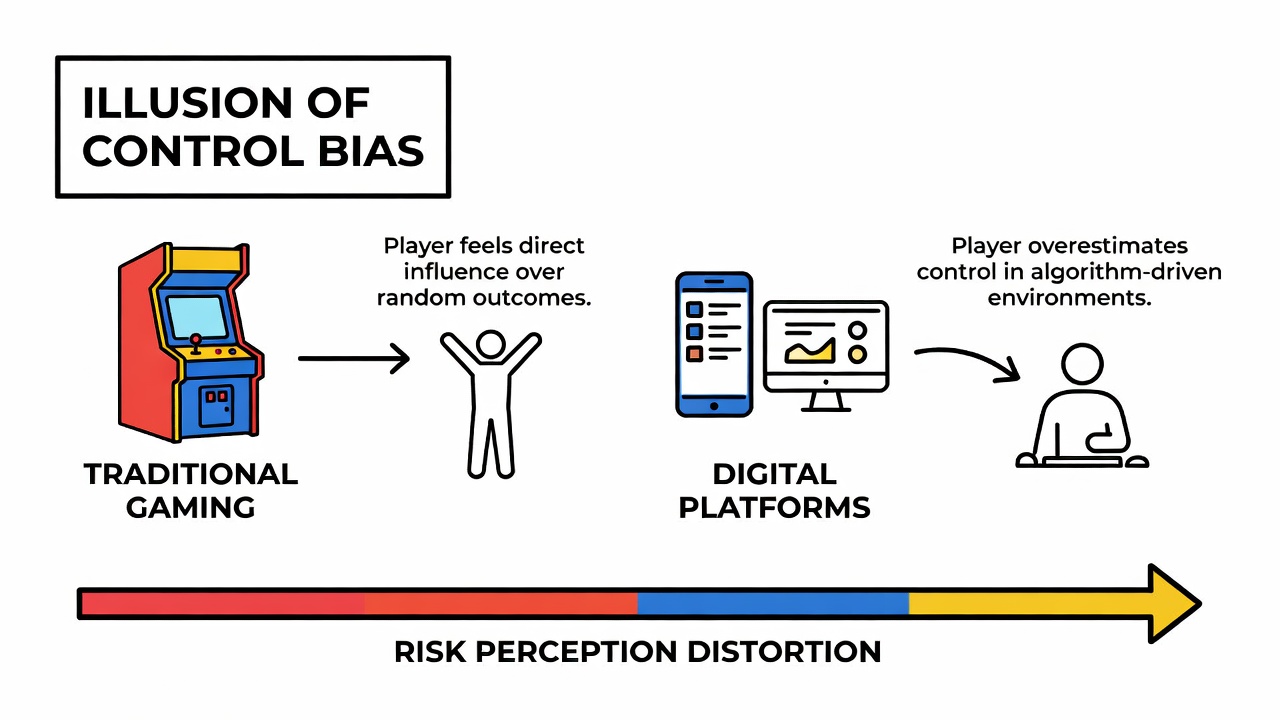
Kahneman and Tversky studied how people evaluate risk. Crypto casinos exploit one specific bias more effectively than traditional operators: the illusion of control.

Crypto Sportsbooks vs Crypto Casinos: Key Differences
The technical architecture between crypto sportsbooks and crypto casinos looks similar to the outsider. But the underlying systems are fundamentally different.

Crypto Deposits at Live Dealer Casinos: A Step-by-Step Walkthrough
The casino is a designed space, and every transaction flows through that design. Crypto deposits have altered the sightlines, but the principles remain unchanged.