Monopoly Live: How the Bonus Game Actually Works
You're spinning the wheel in Monopoly Live. It stops on Chance. The screen shows a brief animation. You think you understand what happened. You do not.
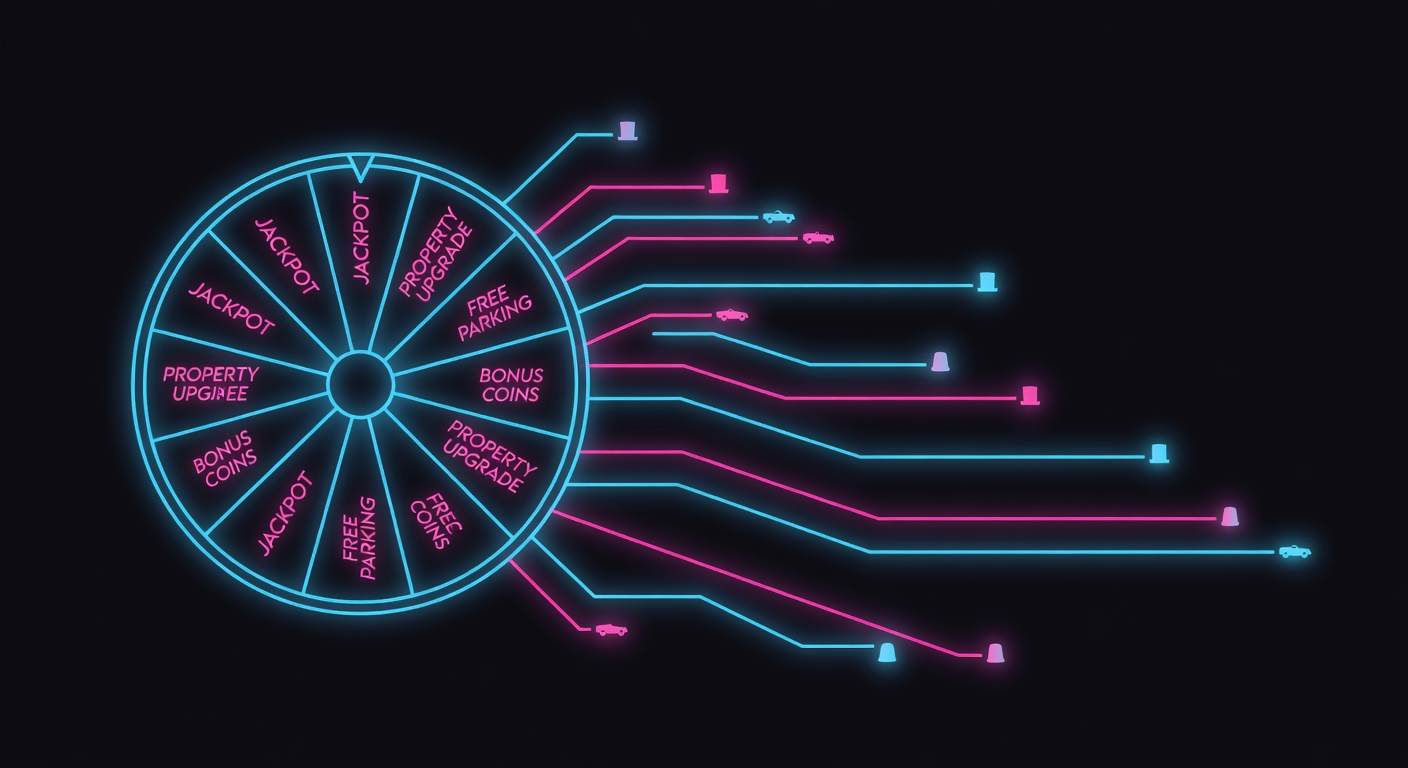
The wheel spins. You watch it click through numbers. It stops on a red section labeled 'Chance.' Your heart jumps. Chance means something is happening beyond the base game.
What you see: an animation of a Monopoly board piece moving. What's actually happening: nothing related to that animation.
The Mechanical Reality
Monopoly Live is a live game show format operated by Evolution Gaming. A dealer spins a physical wheel. 54 segments. Most are straight payouts (2x, 5x, 10x, 25x multipliers on your bet). Some trigger bonus rounds.
When the wheel lands on Chance, a bonus game initiates. But the outcome is determined before the animation plays. The RNG (random number generator) has already selected which Chance outcome occurs.
The animation is confirmation, not execution. This matters because it means the animation duration, the suspense, the 'feeling' of randomness, all occur after the outcome is decided.
The Chance Game Mechanics
Chance presents three options. You select one. Behind each option is a hidden prize or penalty.
Possible outcomes:
- Instant payout (4x-25x bet)
- 'Go' (advance to next round, restart with original bet)
- 'Go to Jail' (you lose your current round's winnings, return to the main wheel)
The distribution is roughly: 40% instant payout, 40% Go (essentially neutral, restart), 20% Go to Jail (penalty).
The probability is designed so that the house maintains a 2.7% edge overall across all possible outcomes, including Chance.
The Monopoly Theming
The board is a Monopoly board. You own properties when you land on them during the bonus round. This is pure theming. Owning a property does not affect odds. It is flavor text.
What actually determines your prize: the random selection that already occurred when the wheel landed on Chance. The board navigation is an animation demonstrating that pre-selected outcome.
This is standard practice in live dealer games. The outcome is computed. The animation represents it. Players perceive the animation as determining the outcome, when in fact causation runs backward.
Why the Confusion
Human psychology expects causation to flow forward: action then outcome. The wheel spins. The outcome is determined by where it lands. This is how physical randomization works.
Computerized randomization operates differently. The outcome is determined by RNG at the moment of play initiation. The animation is cosmetic.
Evolution Gaming has been transparent about this (in technical documentation to regulators), but the average player never reads that documentation. They watch the animation and assume it generated the outcome.
The Fairness Question
Is this fair? Legally: yes. The UKGC requires that outcomes be random and independently distributed. Evolution's RNG satisfies this. The animation does not affect randomness.
Intuitively: many players feel betrayed when they learn the animation is cosmetic. They feel the 'suspense' was artificial, designed to manipulate.
Technically: the suspense manipulation is real. Evolution uses extended animations on Chance outcomes specifically to increase engagement. A 2-second outcome feels different from a 6-second outcome, even if the payout is identical.
This is not cheating. It is engagement optimization.
The Practical Implication
Your odds of winning Monopoly Live are identical whether you believe the animation or understand the RNG. The outcome was set before the animation began.
Understanding this does not change your expected value. But it does change your experience. The suspense you feel is partly real (you do not yet know the outcome) and partly illusory (the animation does not determine it, merely represents it).
Evolution Gaming acknowledges this in their responsible gaming materials. The animation is designed for engagement. Engagement is the product they sell. The randomness is guaranteed. The experience is designed.
Next notes
More from #bonuses
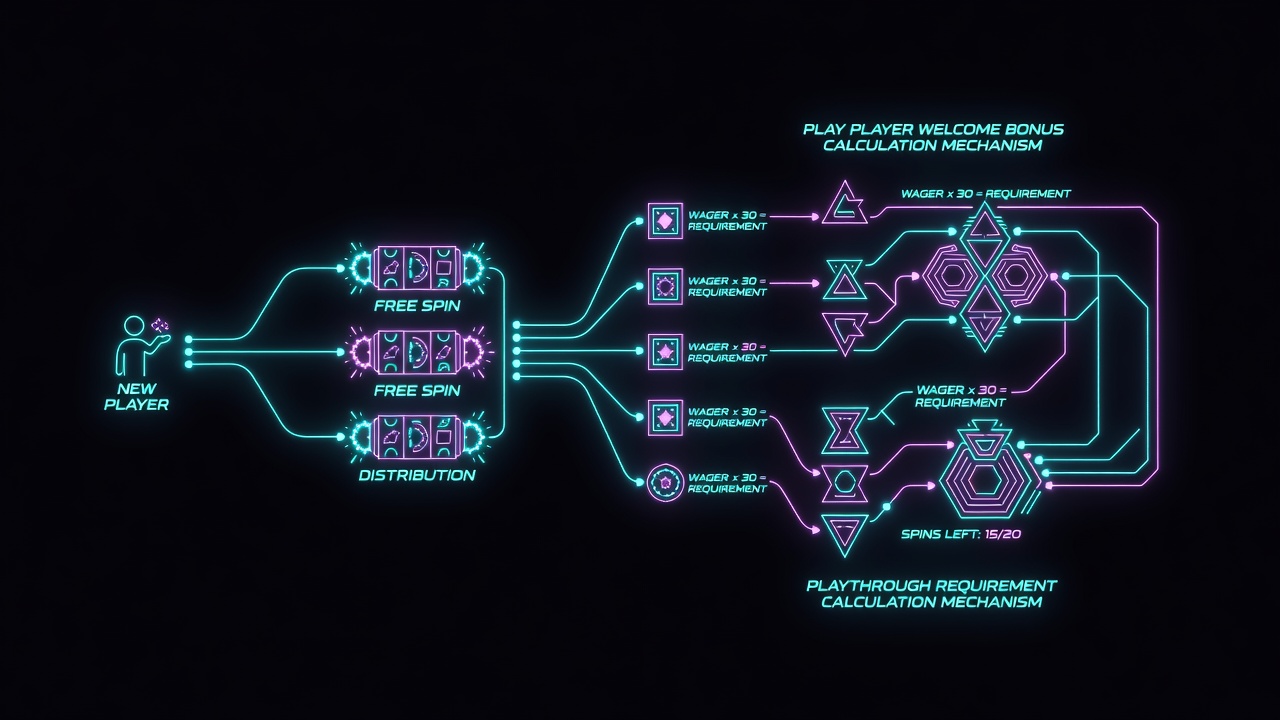
Free Spins on Registration: How They Typically Work
A casino hands you free spins when you join. A young man from Nevada sat down and played them. By the time they were done, he understood something about generosity.
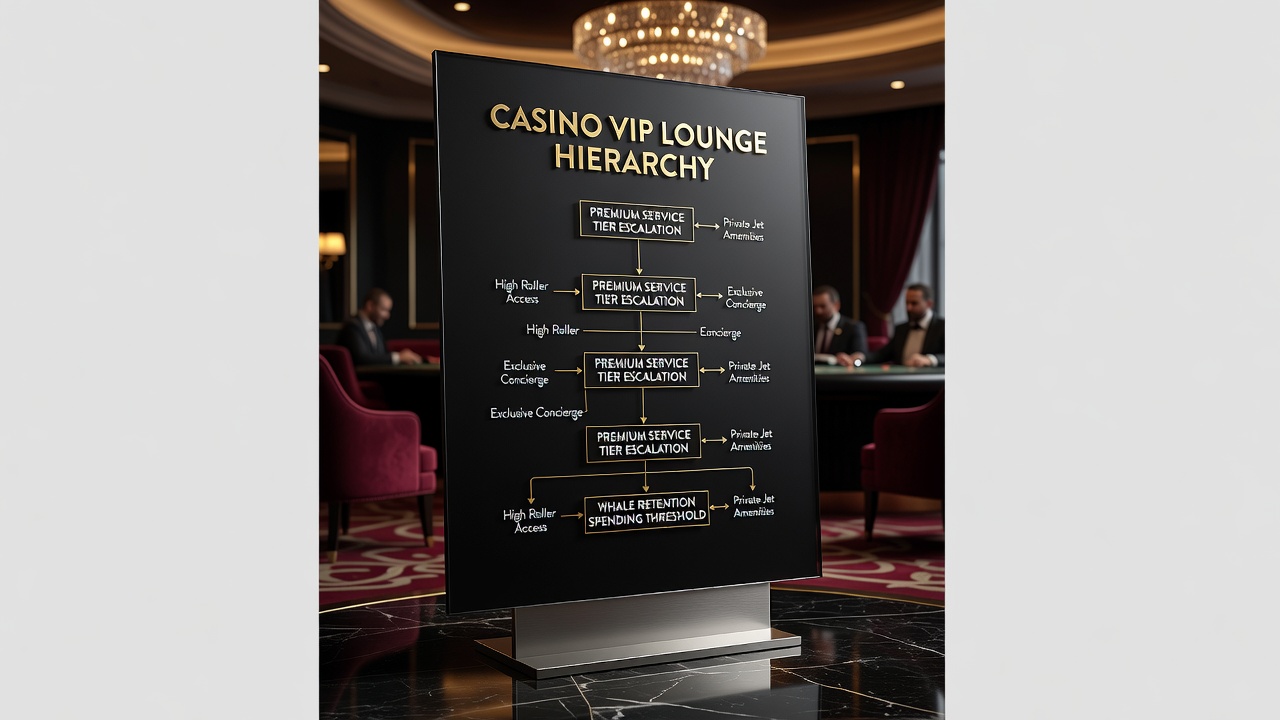
Understanding VIP Programs at Online Casinos
VIP programs are a full-court press on whale retention. The math is simple: one whale is worth a thousand casual players. The casino structures everything around not losing that whale.
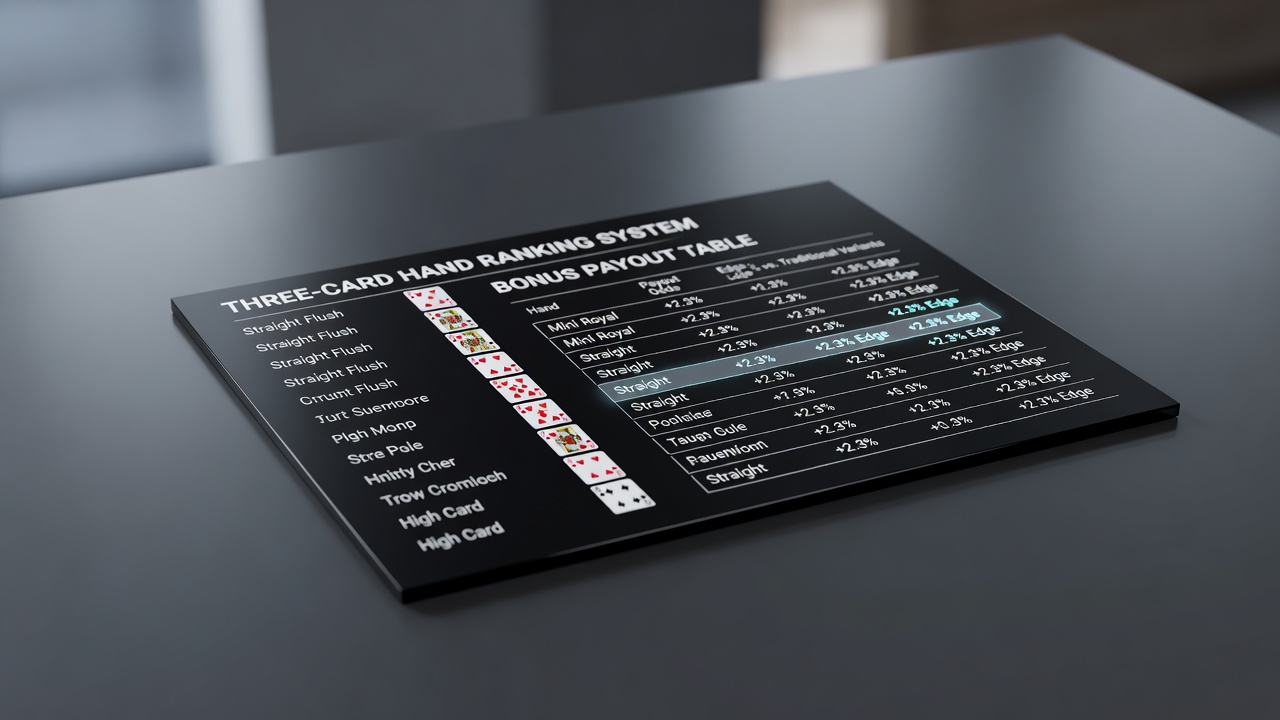
The Math of Six Card Bonus in Three Card Poker
provably fair is a tech term. but three card poker's six-card bonus? that's not provably anything. it's just a bet with a 14% house edge wrapped in shiny UI.
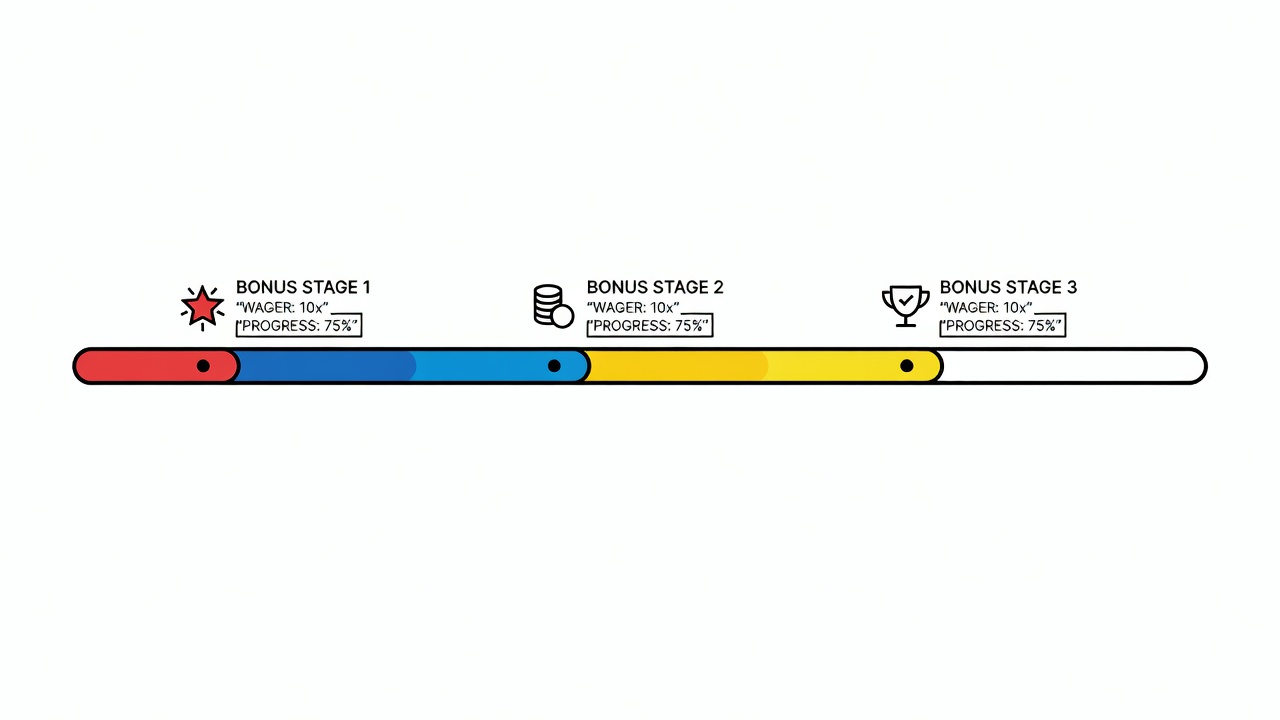
How to Track Your Wagering Progress on a Bonus
The bonus system works like traffic flow. The casino designed the space. The player moves through it. Good design makes the path invisible. Tracking your position in that path is the work.
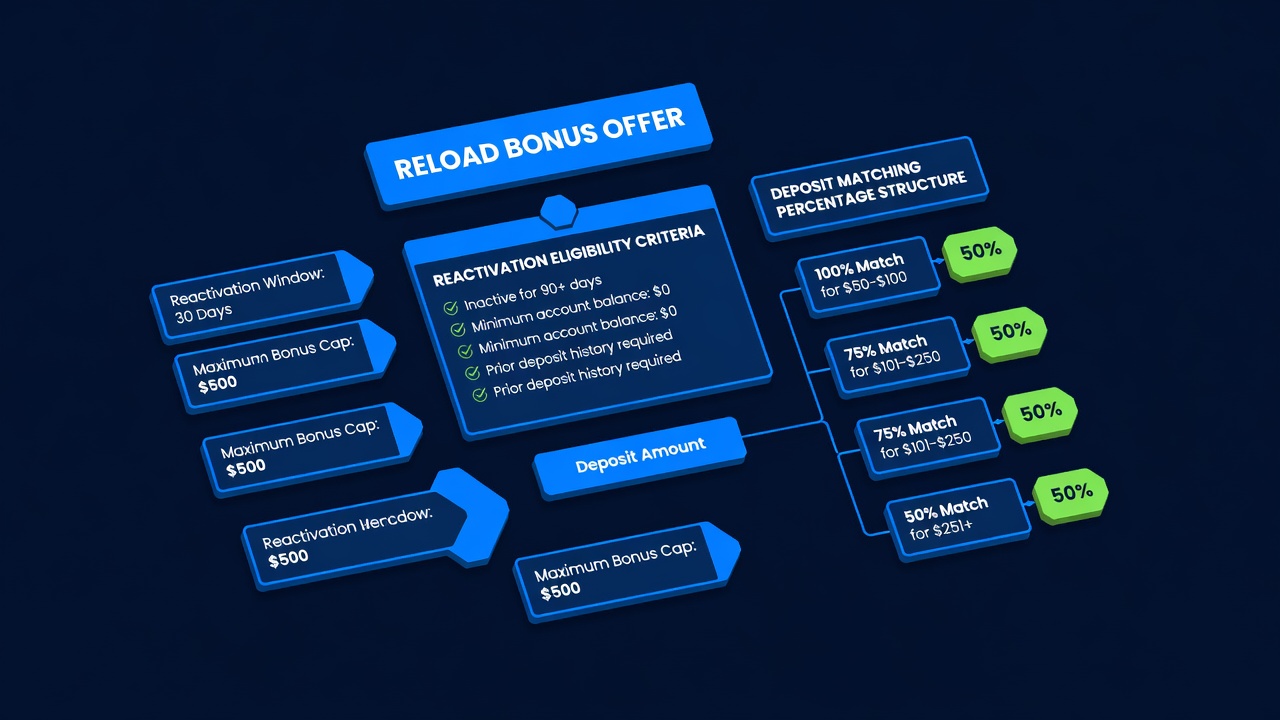
Crypto Casino Reload Bonuses: How They Typically Work
Reload bonuses are a tool to combat player churn. Casinos use them to reactivate dormant players. The mechanics are straightforward, but the value proposition depends entirely on your loss rate.
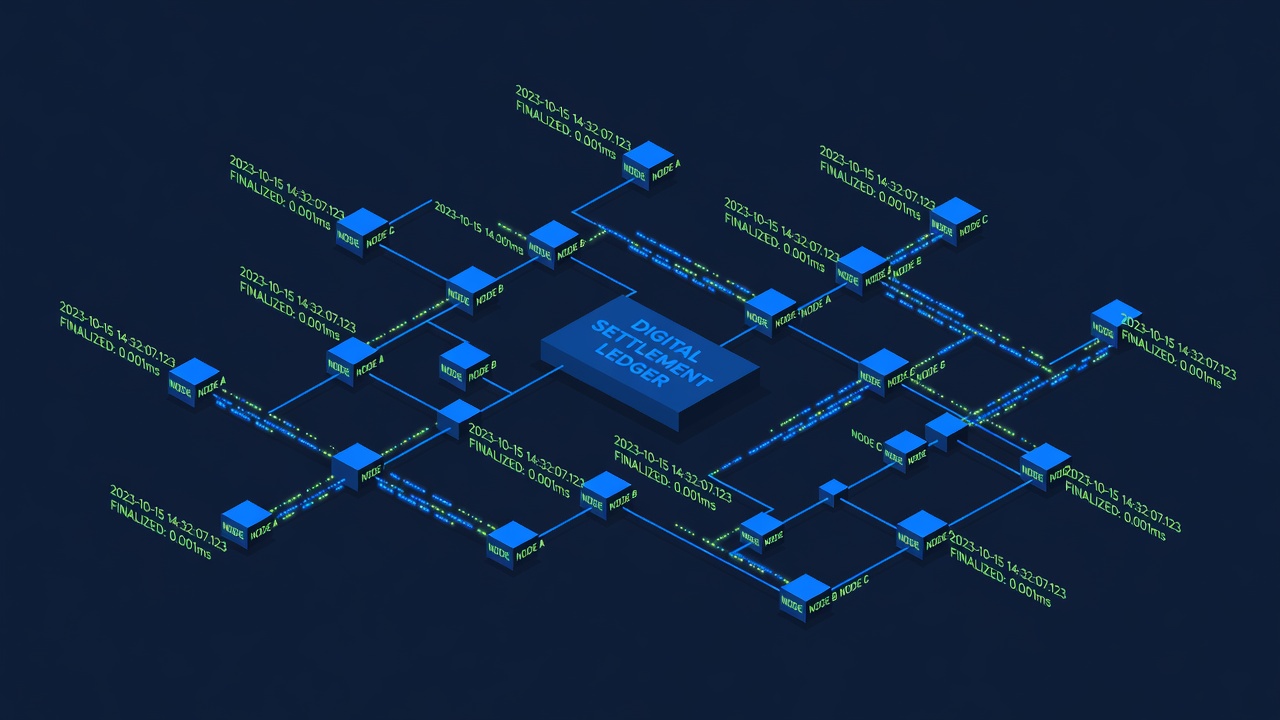
Bitcoin Lightning Network for Instant Casino Deposits
The Lightning Network emerged from a 2015 whitepaper by Poon and Dryja as a response to Bitcoin's settlement delays. Casino operators began adopting it in 2019 to solve real problems of player friction.