How Crypto Gambling Works: A Beginner's Guide
Crypto gambling is regular gambling with two new frictions and one new feature. The new feature is faster withdrawals. Whether that is worth the frictions depends on what you want.

Crypto gambling is regular gambling. The casino on the other end of the connection is running the same games with the same math. What changes is how you get money in and out.
My thesis is simple. Crypto gambling is worth it for two specific kinds of players, and not worth it for most of the rest. I want to explain who fits which category before anyone deposits anything.
The Mechanic in One Paragraph
You send a cryptocurrency, usually Bitcoin, Ethereum, or a stablecoin like USDT, from your wallet to a wallet address the casino gives you. The casino credits your account in the same currency or converts to their base currency. You play. If you win, you request a withdrawal. The casino sends the crypto to the wallet address you provide. No bank. No card network. No processor in the traditional sense. A small on-chain fee either way.
That is the whole change.
The Good Part
Withdrawals are faster. This is the one real feature. A crypto withdrawal from a well-run casino is typically complete within minutes to a few hours, compared to three to five business days for a bank transfer or card payout in traditional fiat. For a player who has sat, angry, waiting five days for a withdrawal that the casino legally could not refuse, this is an actual improvement.
Withdrawals are also often larger per transaction. Many casinos cap fiat withdrawals per day or per week, partly because of banking limits and partly because of their own liquidity management. Crypto caps tend to be higher or nonexistent. A player withdrawing a large win on a Saturday evening can actually receive the funds on the Saturday evening. The bank is closed. The blockchain is not.
The Less Good Parts
Here is where the frictions come in.
Price volatility. If you deposit a Bitcoin when it is worth sixty thousand dollars and play for a month, the Bitcoin might be worth fifty-five thousand or sixty-five thousand by the time you withdraw. That six-figure swing is not the casino's. It is yours. A losing session in a rising market can feel like a winning one, and vice versa. Stablecoins pegged to the dollar solve most of this. Most crypto casinos now accept USDT or USDC, which behave, for the player's purposes, roughly like dollars.
Custody responsibility. With a traditional casino, if your password is compromised, you call support. If support is unresponsive, you call your bank, which can often reverse the charge or freeze further activity. With a crypto account, if your private wallet key is compromised, nobody can help you. The coins are gone. This is a different risk shape than most players are used to.
Regulatory opacity. A significant fraction of crypto casinos operate under Curacao licences or Costa Rica licences or effectively no licence at all. The dispute resolution layer that UK and Malta licensees provide does not exist in the same form. If the casino refuses to pay out, your recourse is usually limited to public complaints on forums. Some casinos take their reputation seriously. Many do not.
Chargebacks do not exist. Once the crypto transaction is confirmed on chain, the money is gone, either to the casino or to the other player. For a disciplined player, this is fine. For a player with impulse control issues, the absence of the reversal option is a one-way door he cannot pull back from.
Who It Suits
Fast-paying poker players and high-volume slots players who have already worked out that the operator is legitimate and who value quick access to winnings. This is the category for whom the faster withdrawal is a genuine improvement in the player experience.
Players in jurisdictions where traditional payment rails are unreliable or unavailable for gambling. This category is larger than most readers in the US or UK realize. In countries with unstable local currencies or restrictive banking on gambling transactions, a USDT-denominated account is sometimes the only practical way to play at a regulated-feeling product.
Who It Does Not Suit
Everyone else. A casual recreational player in a country with working banking and regulated gambling does not gain much from the crypto rail. The withdrawal speed improvement is real but not life-changing when the player is already playing within a monthly entertainment budget. The custody responsibility is net negative for a player who has no wallet experience. The reduced regulatory backstop is net negative for a player whose recourse, if things go wrong, is already thin.
The marketing of crypto casinos tends to emphasize the speed and elide the friction. The friction is real. A beginner who reads the pitch and deposits a thousand dollars of Bitcoin on a Curacao-licensed operator, then has a dispute, learns the friction in an expensive way.
The Concession
I will concede that crypto gambling has improved in the five or six years since the worst of the operator behavior. A handful of operators now hold proper European licences and offer the crypto rail alongside fiat, which is the best of both worlds: regulatory protection plus fast withdrawals. These are the ones worth using, for the subset of players for whom the rail is worth the bother. Everyone else is better off with a UK or Malta fiat operator and the slower payout that comes with it.
Crypto is not magic. It is a payment rail. Pick the rail that fits your needs. Do not pick the rail because you saw a marketing banner.
Next notes
More from #crypto-casinos
Penny Slots Online Casino Math: Why 1 Cent Games Hold More
Nevada's revenue report shows 1 cent slots holding 9.06% of every dollar played, more than $1 machines. Here is what a penny spin really costs.
Stablecoin Payment Gateway: From Wallet to Settled Dollars
How a stablecoin payment actually settles: Stripe's 10,000 USD cap, final once the chain records it, no chargebacks, refunds back to your wallet as tokens.

Tron in Crypto Gambling: Why It's Popular for USDT Deposits
Tron carries something in its design that speaks to a particular kind of want. The want for speed. The want for certainty. The want for transactions that happen now.
The Difference Between Crypto Casinos and Traditional Online Casinos
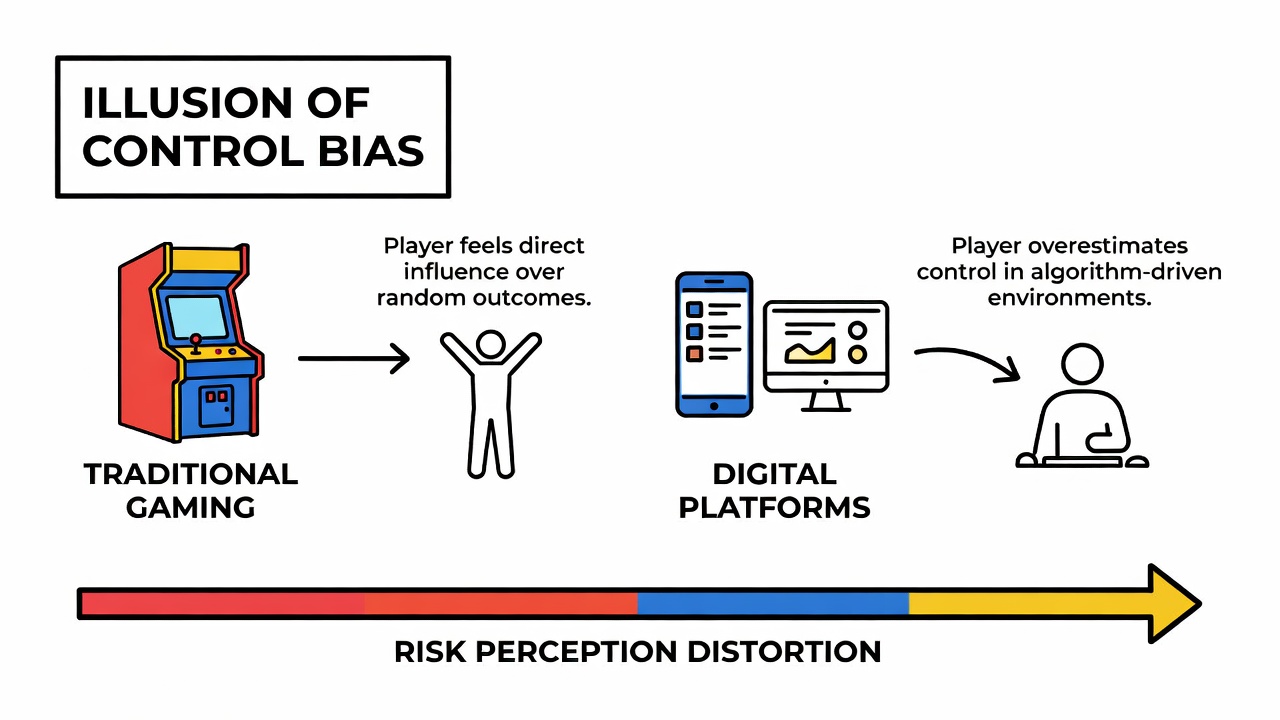
Kahneman and Tversky studied how people evaluate risk. Crypto casinos exploit one specific bias more effectively than traditional operators: the illusion of control.

Crypto Sportsbooks vs Crypto Casinos: Key Differences
The technical architecture between crypto sportsbooks and crypto casinos looks similar to the outsider. But the underlying systems are fundamentally different.
Crypto Deposits at Live Dealer Casinos: A Step-by-Step Walkthrough
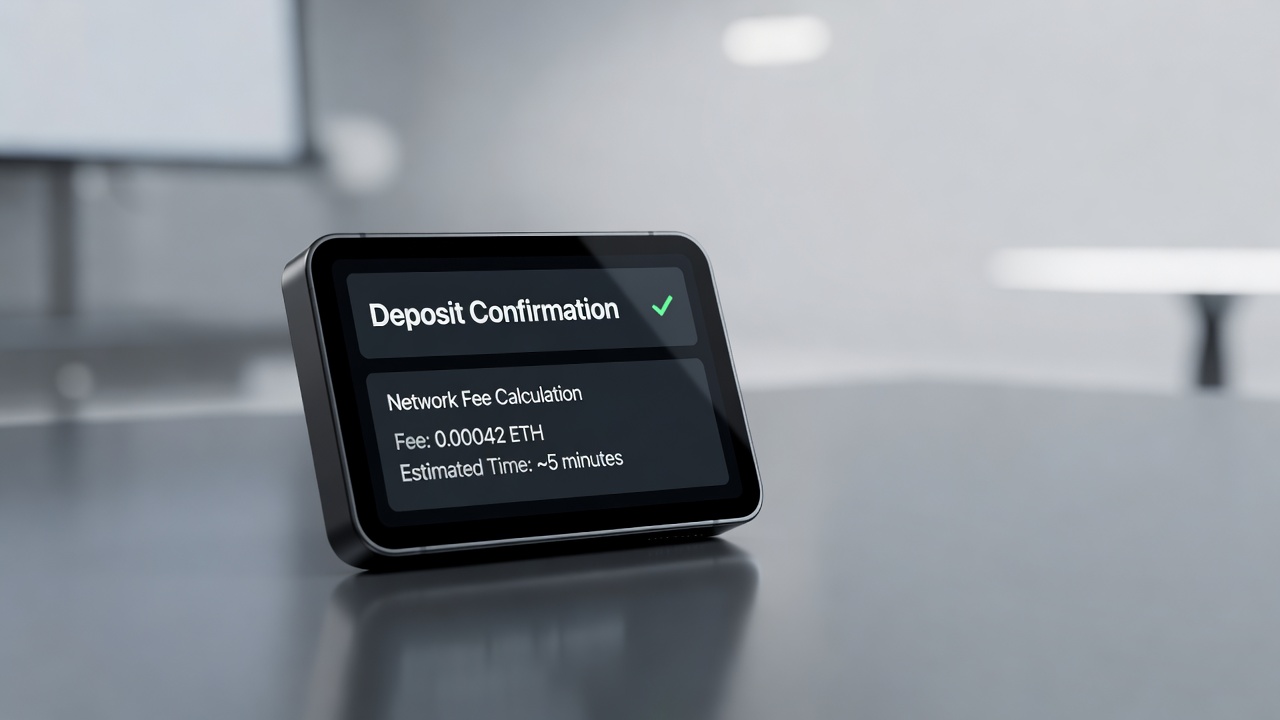
The casino is a designed space, and every transaction flows through that design. Crypto deposits have altered the sightlines, but the principles remain unchanged.