How to Read a Crypto Casino Audit Report
An audit report is not a passing grade. It is a snapshot. A casino audited by GLI in March might have changed software by June. Read the audit, but know what it actually tells you.

An audit report from GLI or iTechLabs for a crypto casino says the same thing as an audit for a traditional MGA operator: the RNG was tested, the RTP was verified, the code logic was examined. But a crypto casino audit has an expiration date. Audits last six months to a year. After that, the casino can change software, update the RNG, modify game RTPs, and the old audit is obsolete.
What the Audit Actually Tests
An RNG audit does two things. First, it generates 100,000 outcomes from the casino's random number generator and checks the distribution against the theoretical probabilities. For roulette, that means checking that red, black, and green hit in close proportion to 18/37, 18/37, 1/37. For slots, it means checking that the overall payout matches the claimed RTP within a margin of error (usually +/- 0.1%).
Second, it tests the game logic. For a slot, this means confirming that the game engine correctly identifies winning combinations and pays the correct amount. For a table game, it means confirming the rules are implemented as stated (blackjack must hit 16, stand on 17, etc.).
The auditor does not test whether the casino is actually paying out. They do not monitor a live casino for a week. They do not check whether the casino arbitrarily voided a winning player's account. They test the mathematics of the game in isolation.
The Crypto Casino Wrinkle
A traditional MGA casino is regulated ongoing. The regulator has access to the casino's internal systems. They audit randomly. They can pull the daily report and verify that the actual payout matched the theoretical payout.
A Curaçao-licensed crypto casino is regulated at the software level, not the operational level. The audit tests the code. The code says the RTP is 96%. But the casino can change the RTP in the next update. A new audit is required to verify the change. Many casinos skip this and operate on outdated audits.
Reading the Report
Find the date. If the audit is older than 12 months, it is suspect. The software might have been updated. Look for a version number (software version 2.3, say, tested on 2024-06-15). If the casino has since released version 2.4 without a new audit, the report is stale.
Look for the RTP. The audit should state it clearly: "Slots Return to Player, average 96.42% over sample of 10,000 sessions." Note the word average. Variance exists. A few games might be 95%, some might be 97%. The average is 96.42%. If the report does not specify average or does not list the confidence interval (margin of error), the report is incomplete.
Look for the auditor's name. GLI, iTechLabs, eCOGRA, NMi Gaming are the major firms. If the casino is audited by a firm you have never heard of, it is lower assurance. Not necessarily fraudulent, but lower assurance.
The Confidence Interval
A good audit report says something like: "based on 100,000 trials, we are 95% confident the true RTP is between 96.1% and 96.7%." That margin (96.1% to 96.7%) is the confidence interval. The wider the interval, the less certain we are about the true RTP.
If the interval is very wide (say, 95.5% to 97.5%), the sample size was probably too small. That casino did not pay for a thorough audit. If the interval is tight (96.3% to 96.5%), the sample size was large and the confidence is high.
Red Flags
A casino with no audit. Do not play.
A casino with an audit older than 18 months. Red flag. Software changes, audits expire.
A casino that advertises an audit but does not publish the full report. Yellow flag. They might be hiding something, or they might just be lazy. Ask them directly for the report.
A casino that claims "provably fair" is better than "audited." Provably fair is mathematically verifiable, but it does not protect against a rigged RNG. An audit does. Both have merit. Provably fair without an audit is concerning.
What to Do
If you are considering a crypto casino, find the audit. Read the date. Check the auditor. Verify the RTP. If anything is missing, ask the casino directly. If they do not provide it, do not play. Stake publishes their audit. BC.Game publishes theirs. Cloudbet publishes theirs. That transparency is a good sign.
Next notes
More from #blackjack
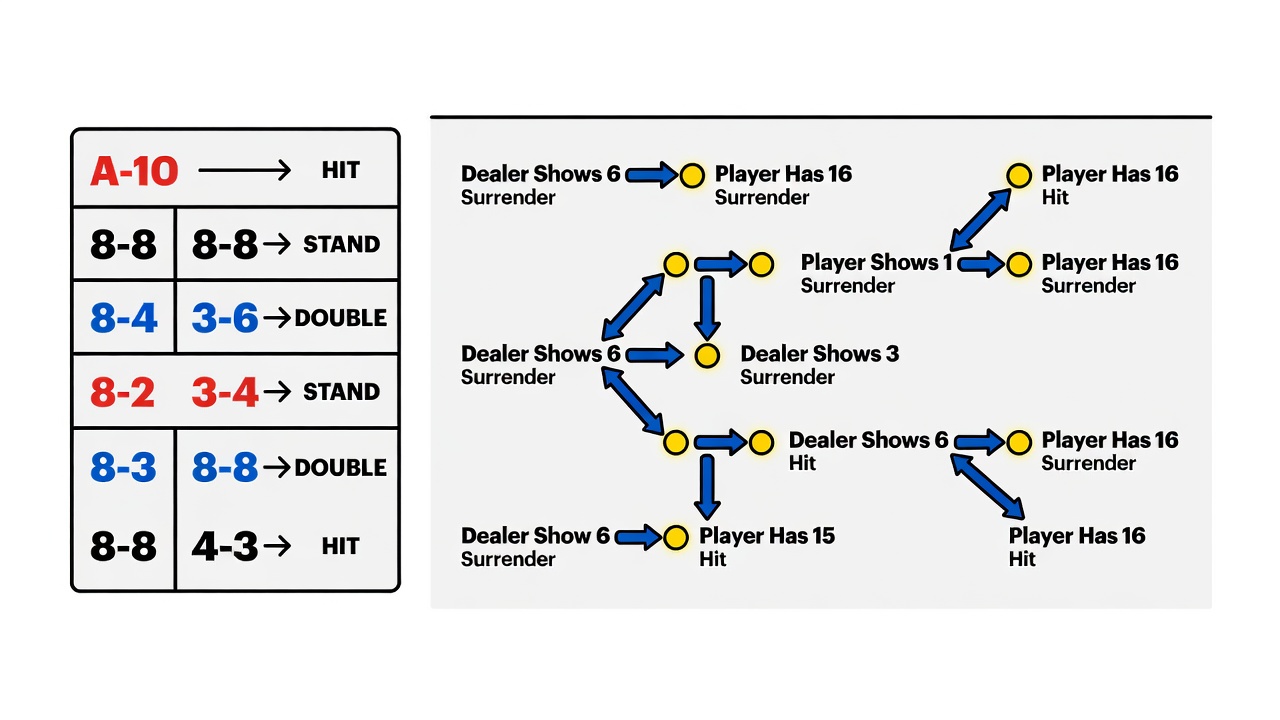
Best Ways to Practice Blackjack Strategy Before Playing for Real
Demonstrates why most people fail at this activity. best ways to practice blackjack strategy before playing for real requires both knowledge and discipline.
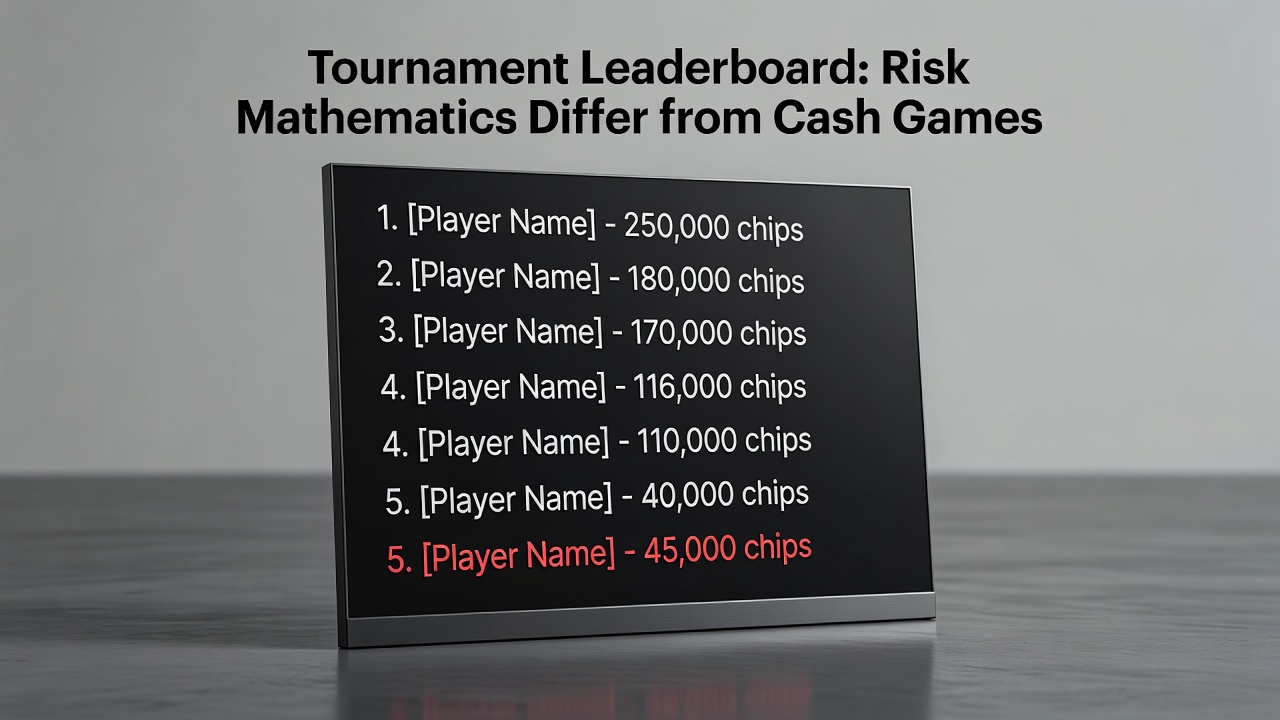
Tournament Blackjack: How Elimination Rounds Differ From Cash Play
In cash blackjack, you're optimizing for long-term wealth accumulation. In tournament blackjack, you're optimizing for position relative to competitors. The math is different. The strategy is different. Many players don't adjust.
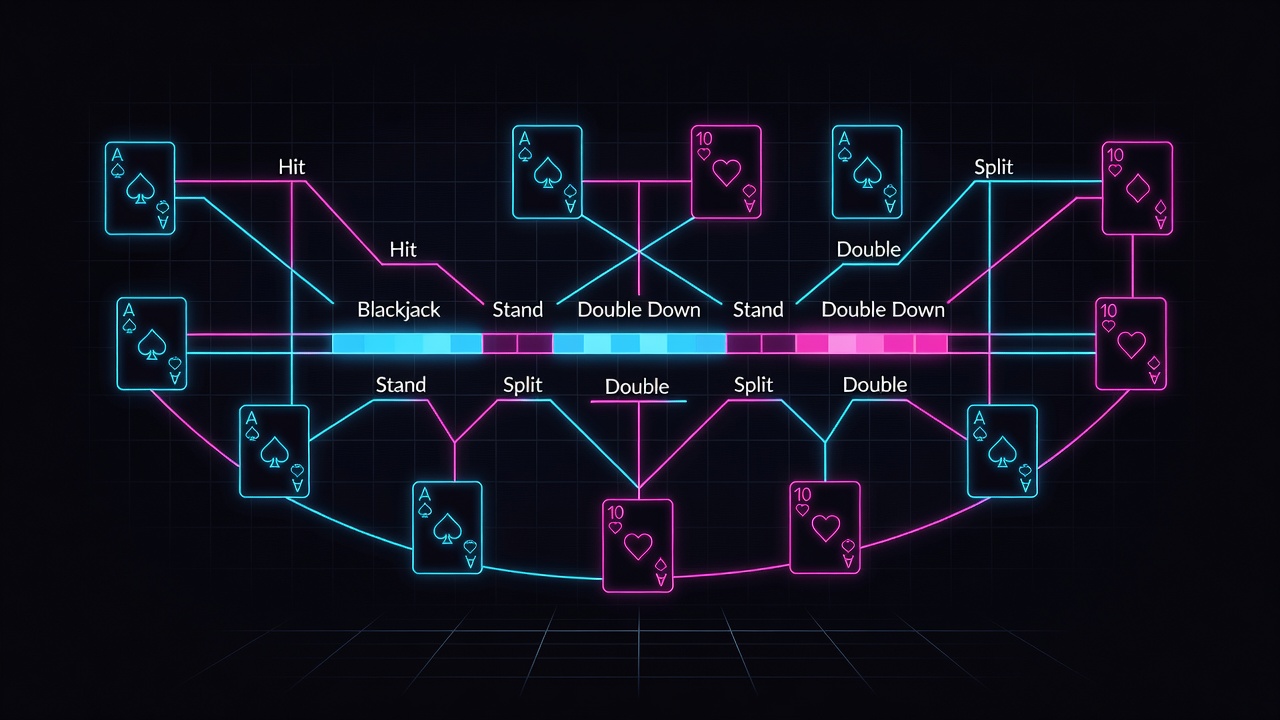
The Kelly Criterion Applied to Blackjack Bet Sizing
The Kelly Criterion is a formula for optimal bet sizing. Blackjack has an edge. Apply Kelly and you get bet sizes that change dynamically.

Beat the Dealer: Edward Thorp's Book That Changed Gambling
Edward Thorp proved that a game with rules could be beaten. Not through luck, through mathematics. What does this tell us about games in general.
The MIT Blackjack Team: How Card Counters Beat the House
The MIT Blackjack Team made millions counting cards. They were not geniuses. They just understood the math better than the casinos did.

The Birth of Nevada Gambling: The 1931 Legalization Explained
On March 19, 1931, Nevada legalized gambling to raise tax revenue during the Great Depression. The move created an industry that has not stopped growing. No state has ever successfully banned gambling after legalizing it.