HUDs in Online Poker: What the Stats Actually Mean
A HUD (Heads-Up Display) shows you your opponent's VPIP and PFR. But those numbers are only meaningful in context. Here's what the data actually tells you.

A poker HUD displays 15-20 statistics for each opponent. Most players look at two: VPIP and PFR. Both numbers are useless without framework.
I designed poker software for five years before I saw a HUD. That was 2006. I built displays like a casino architect would: what does the eye need to land on first?
VPIP and PFR Basics
VPIP: Voluntarily Put In Pot. This is every hand where the player invested money preflop. It includes bets and calls.
PFR: Preflop Raise. How often they initiated a raise preflop.
If a player has 22 VPIP and 18 PFR, they're aggressive. They're entering 22% of hands and raising into 18% of those. That's a tight-aggressive player.
20 VPIP and 8 PFR is loose-passive. They enter 20% of hands but rarely raise.
The Critical Gaps
A 30 VPIP and 5 PFR player is a calling station. They enter a lot of pots but never raise. They have a crush-it range.
An 8 VPIP and 7 PFR player is a nit. They fold constantly and only raise strong holdings. You can steal from this player relentlessly.
A 35 VPIP and 32 PFR player is a maniac. They're in nearly every hand and raising constantly. This player can be profitable (if they're skilled) or a source of income (if they're not).
The Invisible Dimension: Sample Size
This is where 90% of HUD reading fails.
You see a new player: 28 VPIP, 2 PFR. You think, extreme calling station. You widened your own play massively.
Then you realize those stats are from 31 hands. He's had 10 big blinds and was forced to defend. The stats are noise.
After 500 hands? Different story. After 2,000 hands? That's legitimate data.
I designed HUDs to show sample size prominently because it's more important than the numbers themselves. Many modern HUDs hide it or bury it. Bad design.
Position-Dependent Stats
A player's 25 VPIP in early position is vastly different from their 25 VPIP from the button.
Good HUDs break stats by position. Button raise rate. Small blind frequency. Early position folding rates. A player might be a 25% player overall but a 35% button player and 15% UTG player. The overall stat is misleading.
Most free HUDs don't show this. You need upgraded software.
The Three Most Important Stats
If a HUD showed only three things, it would be: VPIP, AF (aggression factor), and wtsd (went to showdown).
WTSD is underrated. A player with 35 VPIP and 65% wtsd is a fish. They're seeing showdowns 65% of the time they enter a hand. A competent player goes to showdown 25-35% of the time. The difference is huge.
Aggression factor: total bets and raises divided by total calls. An AF of 0.5 means they call twice for every bet or raise. An AF of 3 means they bet three times for every call. Both can be profitable depending on the player.
Positional Adjustments
You see a 18 VPIP player. He looks like a nit. But he's in the button and has raised 60% of his hands from there. His 18 VPIP is dragged down by his 8% UTG raise rate.
From the button, he's a 45% raiser. He's not a nit. He's positionally aware.
This is why raw stats mislead.
The Design Truth
A HUD is architecture for decision-making. Every stat should reduce uncertainty about opponent strategy. Most HUDs fail at this. They show 15 stats that answer different questions, leaving you paralyzed.
The best approach: two metrics per spot. What's this player's range from here? What's their aggression level? Everything else is detail.
The eye should land on what matters. The rest is noise dressed as information.
Next notes
More from #poker
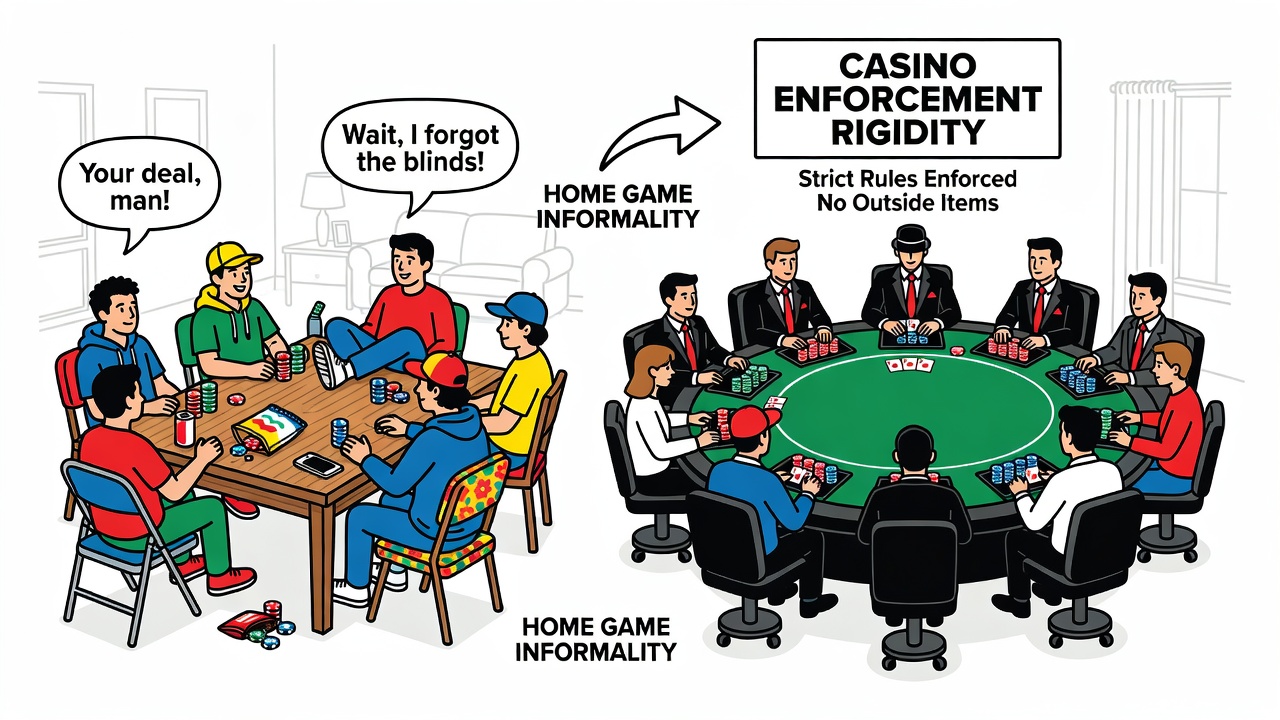
How Home Poker Games Differ From Casino Cash Games
A careful examination of the legal, social, and mathematical differences between home poker and casino cash games reveals that the similarities are often overstated.
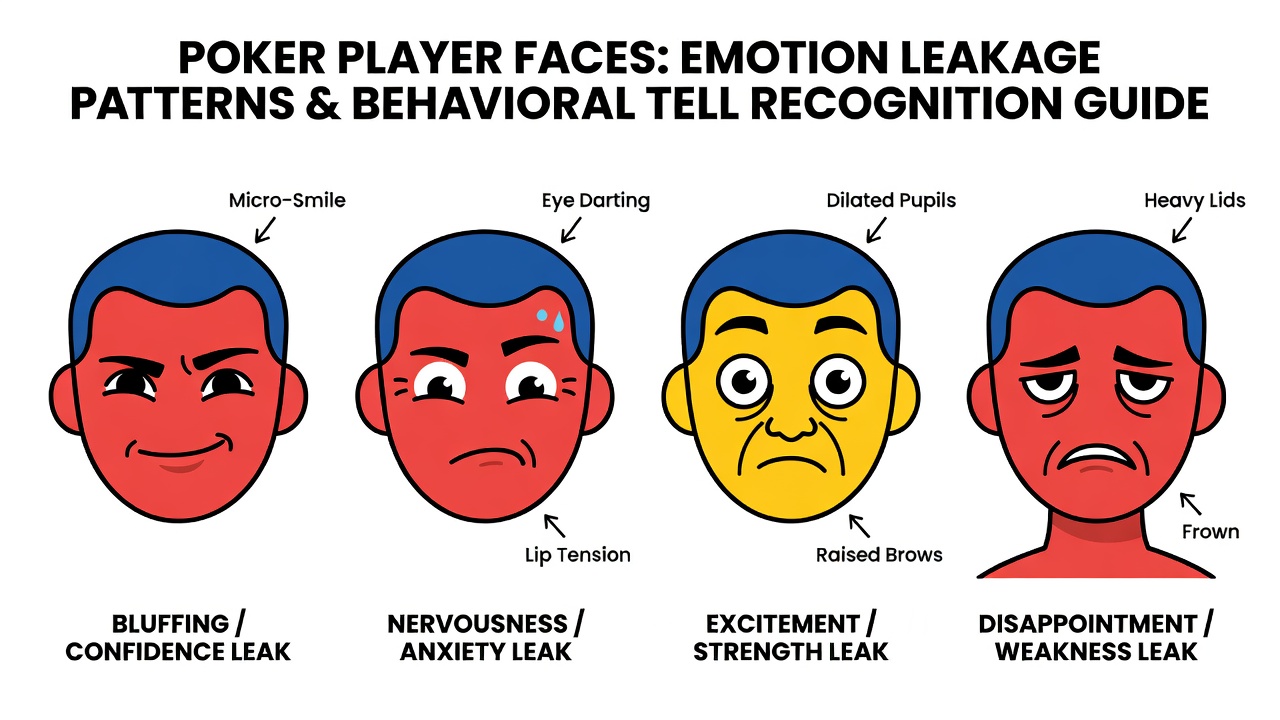
Poker Tells in Live Games: What to Watch For
A tell is a behavioral pattern that reveals hand strength. Poker players are trying to mask their emotions. The tells emerge from the parts they forgot to mask.
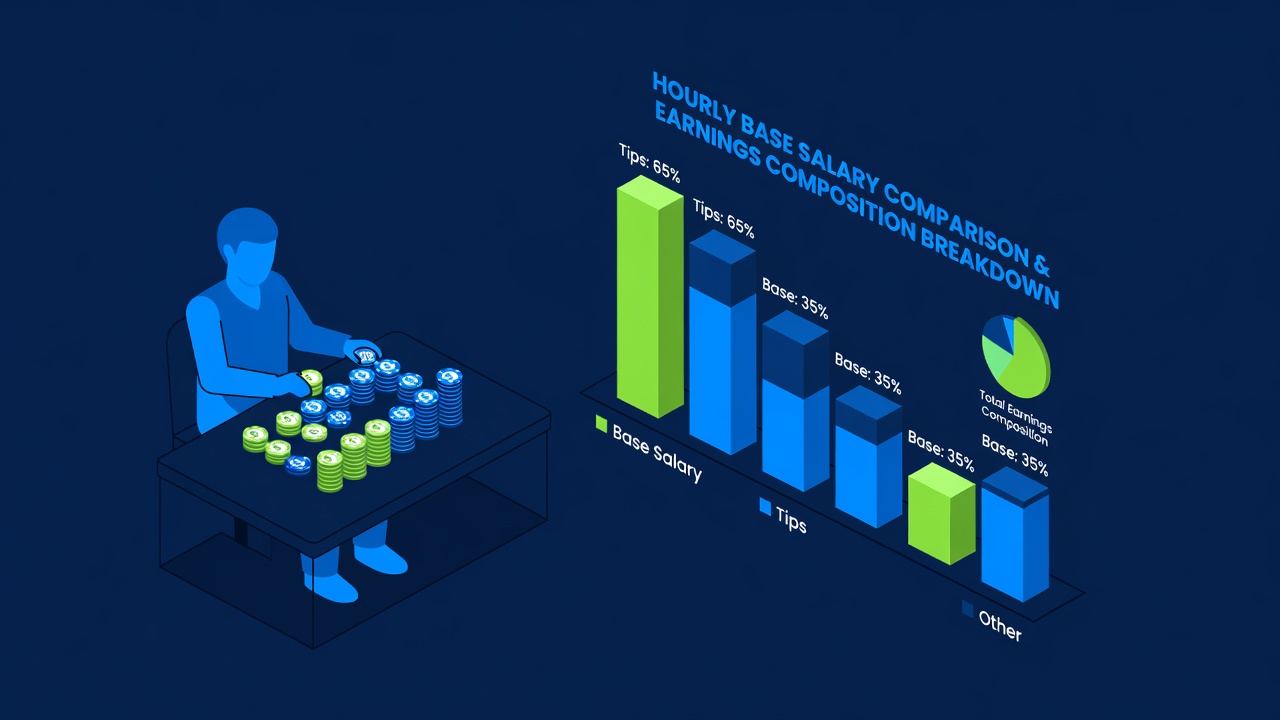
Tipping Dealers in Live Poker: What's Appropriate
A dealer working five hours on a Tuesday afternoon at a regional poker room makes maybe $200 in base salary. Everything else is tips. This changes how you understand the relationship between player and dealer.
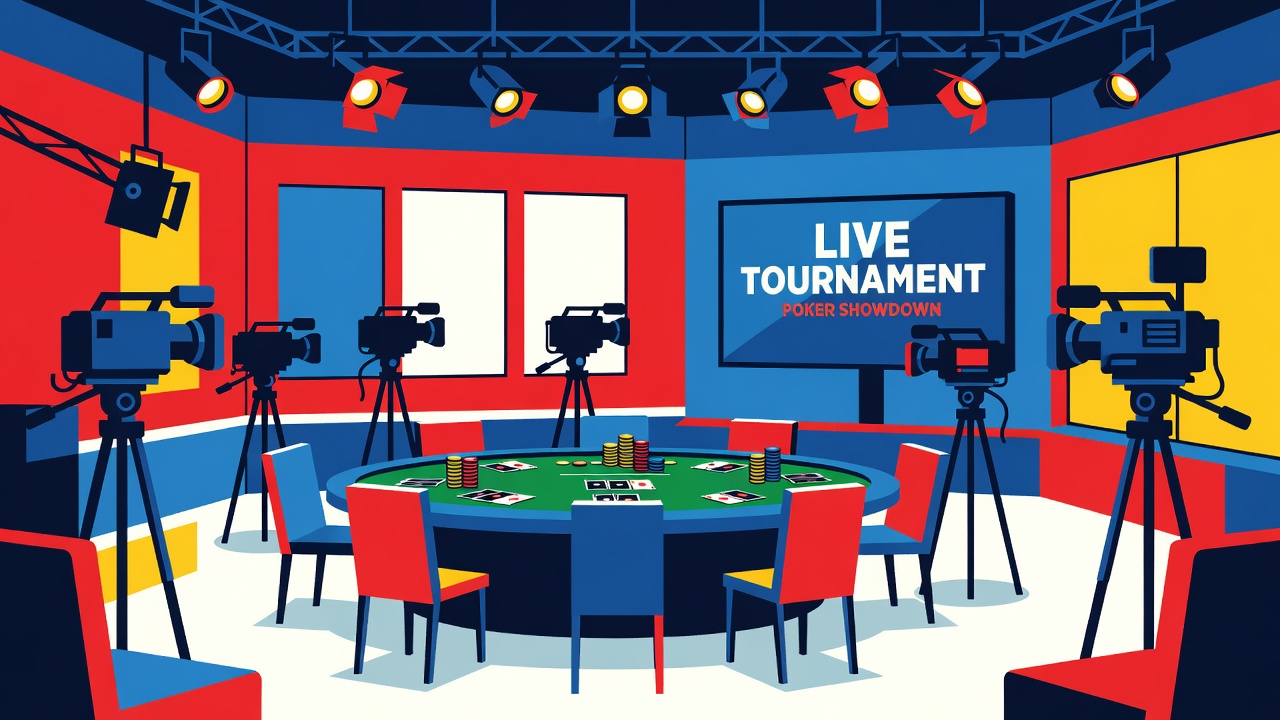
Poker Night TV: The Rise and Fall of Televised Poker on ESPN
ESPN started broadcasting poker in 2003. For five years, it was the most watched non-sports programming on the network. Then it disappeared. The moral is that even good things end when people stop watching.
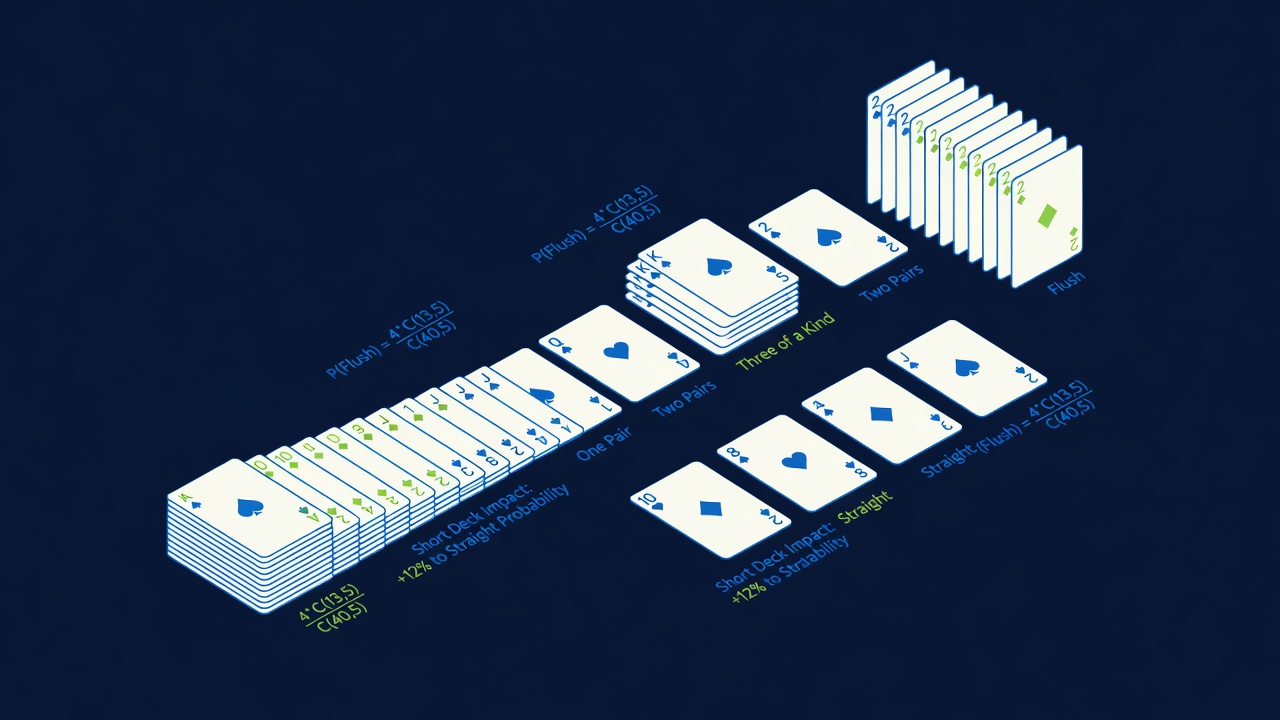
Short Deck Hold'em: Rules and Starting Strategy
Short deck removes the twos through fives. The math changes. Your hand values shift. Here is what adjusts.
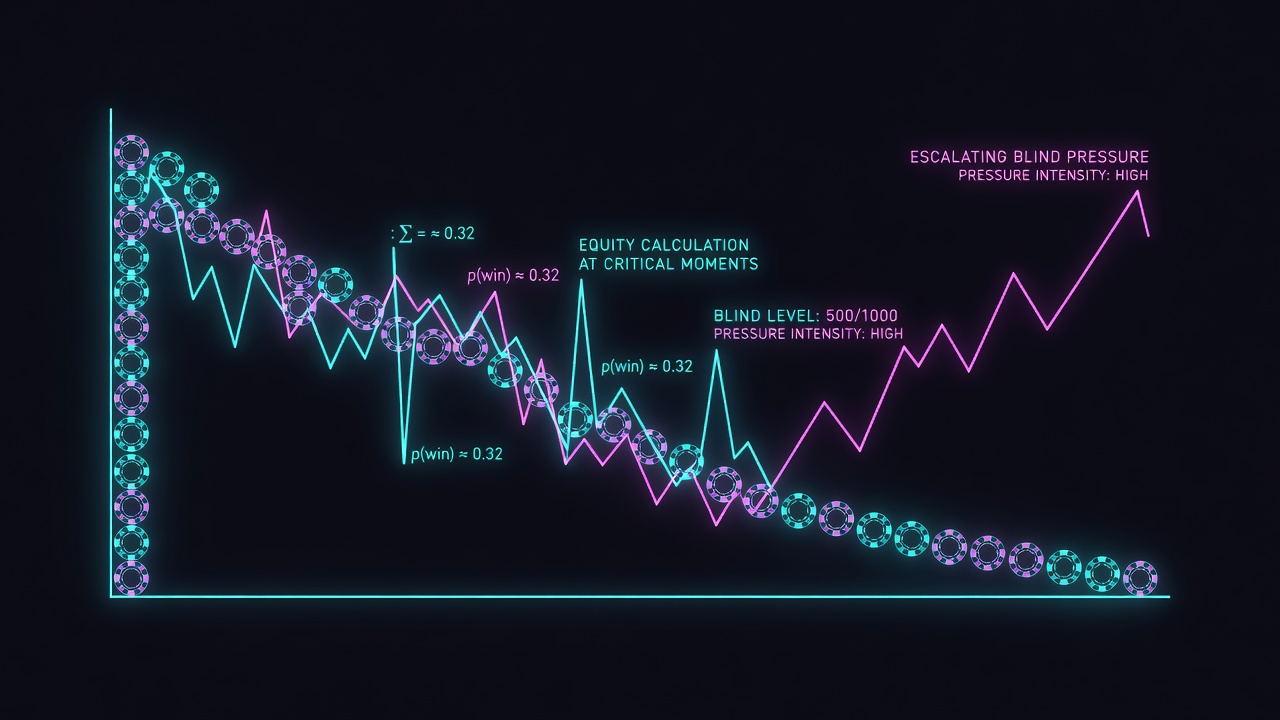
Short-Stack Strategy for Poker Tournaments
When the blinds have eaten your chips down to a whisper, the game changes. A dealer I worked with in Macau explained this better than any poker book ever could.