Drive: The Hugh Laurie Poker Documentary Explained
Hugh Laurie, the actor (House, The Night Manager), made a short documentary about poker in 2007 called Drive. It is not glamorous. It is not a celebration. It is an examination of what poker does to people.
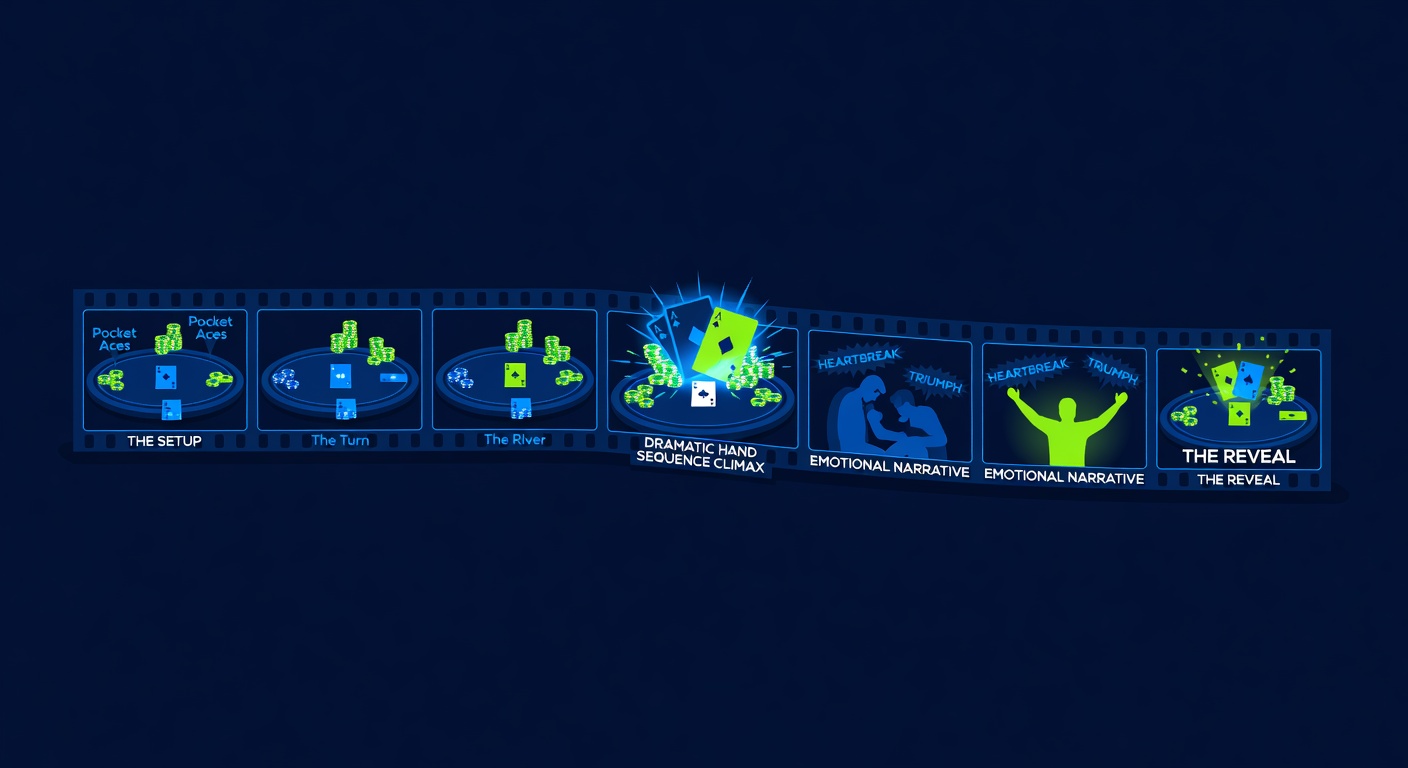
In 2007, Hugh Laurie directed a 54-minute documentary called Drive. He had seen poker up close. He had sat at tables where the stakes were serious money and the players were serious people. What he observed was not what you see on television.
Drive is available in full on YouTube. It is worth watching. I want to explain what it shows.
The Setup
The documentary follows several poker players over a period of weeks. There is a professional player (name escapes me now, but he was good). There is a casual player who has gotten in over his head. There is a dealer.
The film does not judge them. It just observes. The camera holds on their faces. You see the stress, the calculation, the moments of desperation and elation.
What Stands Out
One scene shows a player who has lost money. A lot of money. He owes people. The camera asks him how he will recover. He has a plan: he will play more poker. He will tighten his play. He will grind out the losses.
This is the trap. Loss aversion and the gambler's fallacy combined. He believes that poker is a skill game (it is) and that skill will allow him to recover losses (it won't, not quickly enough, not with the stress of owing money).
Another scene shows a successful player counting his winnings. He is happy. But the happiness is strange. It is not the happiness of a man who has gained something. It is the relief of a man who has not lost.
This is the psychological signature of a professional gambler. Winning does not feel good. Losing feels bad. The asymmetry is what drives them forward.
The Dealer's Perspective
The dealer is crucial to the film. He sees every hand. He knows the players. He watches the losses accumulate. He is sympathetic but detached. It is his job to deal cards and handle chips.
When a player loses everything, the dealer does not celebrate. The dealer does not mourn. The dealer shuffles the deck and prepares for the next hand. This routine, this professional detachment, is what keeps casinos functioning. The dealer has seen it all.
The Broader Picture
Drive is not about poker. It is about what happens when you give humans a game with incomplete information and let them bet money on their decisions. Some do well. Most do not.
The documentary does not provide answers. It does not say "poker is good" or "poker is bad." It just shows the faces of people playing and the consequences of their play.
Why Laurie Made It
Hugh Laurie is a skilled actor. He has worked with sophisticated people and unsophisticated ones. He understands human behavior. Poker interested him because poker reveals behavior under stress. Money is on the line. Cards are unknown. Decisions must be made.
Laurie wanted to capture that moment, the decision point where a player chooses to bet or fold or raise. That choice comes from somewhere inside them. The documentary tries to show where.
The Relevance Today
Drive was made in 2007. Poker has changed. Online poker is bigger now. Live poker is smaller. But the psychology has not changed.
If you watch the documentary today, you will recognize your own behavior. If you have ever gambled, you will see yourself in one of the players. The relief when you win. The denial when you lose. The plan to recover. The cycle.
That is the power of the film. It does not judge. It just observes. And observation, without judgment, is sometimes enough to make people question their choices.
Next notes
More from #famous-players
Richard Marcus: The Infamous Past-Poster and Casino Cheat
Richard Marcus spent his life buying possibilities, not just in the lottery, but in the spaces between rules where people aren't looking.

Allen Iverson's Casino Bans: What the Reports Actually Say
Public records from Nevada gaming authorities show Iverson was excluded from casinos in 2012. The reasons were never fully disclosed, but the timeline reveals something about how exclusion actually works.

Kirk Kerkorian: The Quiet Billionaire Who Built Vegas Three Times
Kirk Kerkorian understood a fundamental truth about Las Vegas: the game is real estate, not gaming. Gaming is the excuse that gets people into the buildings.

Wayne Newton's Vegas Legacy and Casino Residencies
The entertainer spent more time in Las Vegas than most residents. Here's what his residency model tells us about casino hospitality architecture.
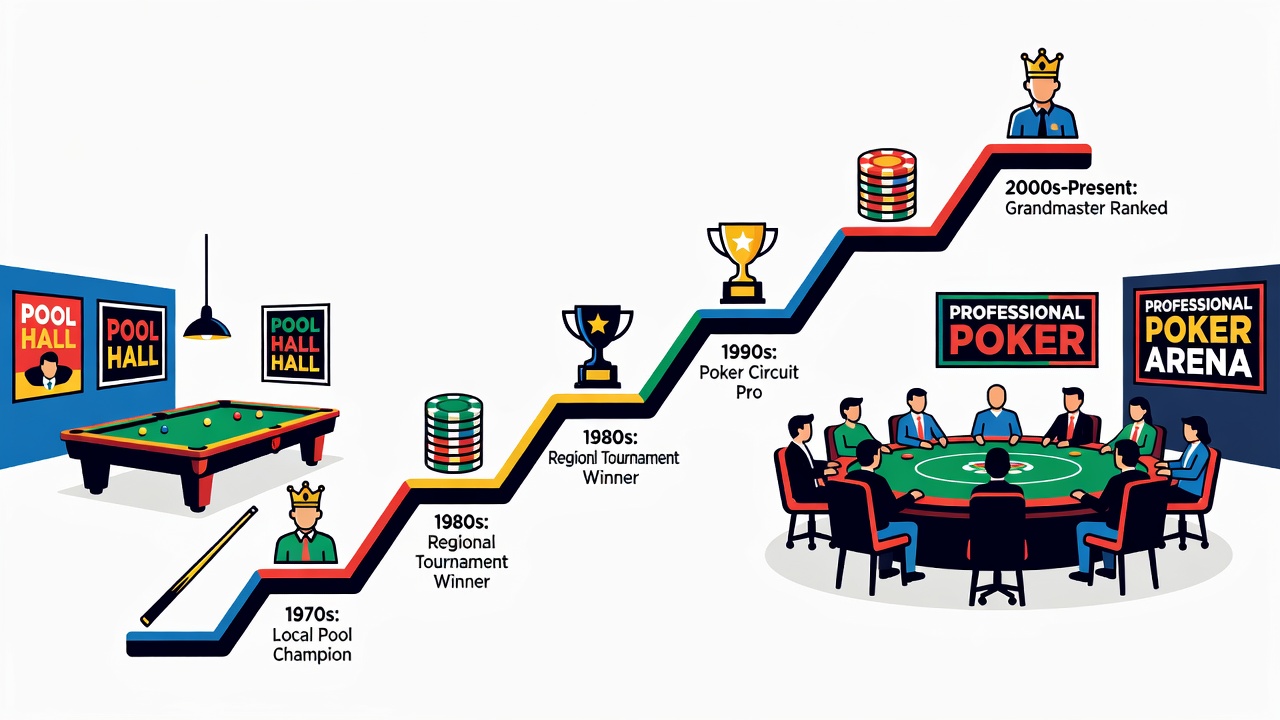
Daniel Negreanu: From Toronto Pool Halls to Poker Royalty
Daniel was shooting pool in Toronto in the early 1990s. Made maybe forty grand a year. By 1997, he'd figured out poker. By 2000, he was beating the best players in the world. That's a ten-year arc from regional operator to world-class grinder.

Tiger Woods and the High-Stakes Blackjack Tables of Vegas
Between 2000 and 2009, Tiger Woods was frequently photographed entering the casinos of Las Vegas. Public records show he gambled in private high-limit rooms. The amounts are documented. The outcomes are not.