Live Casino on Mobile: What to Expect on a Small Screen
Mobile live casino shrinks a three-foot table down to a five-inch screen. The experience is compressed, constrained, hypnotic in a different way than the desktop version.
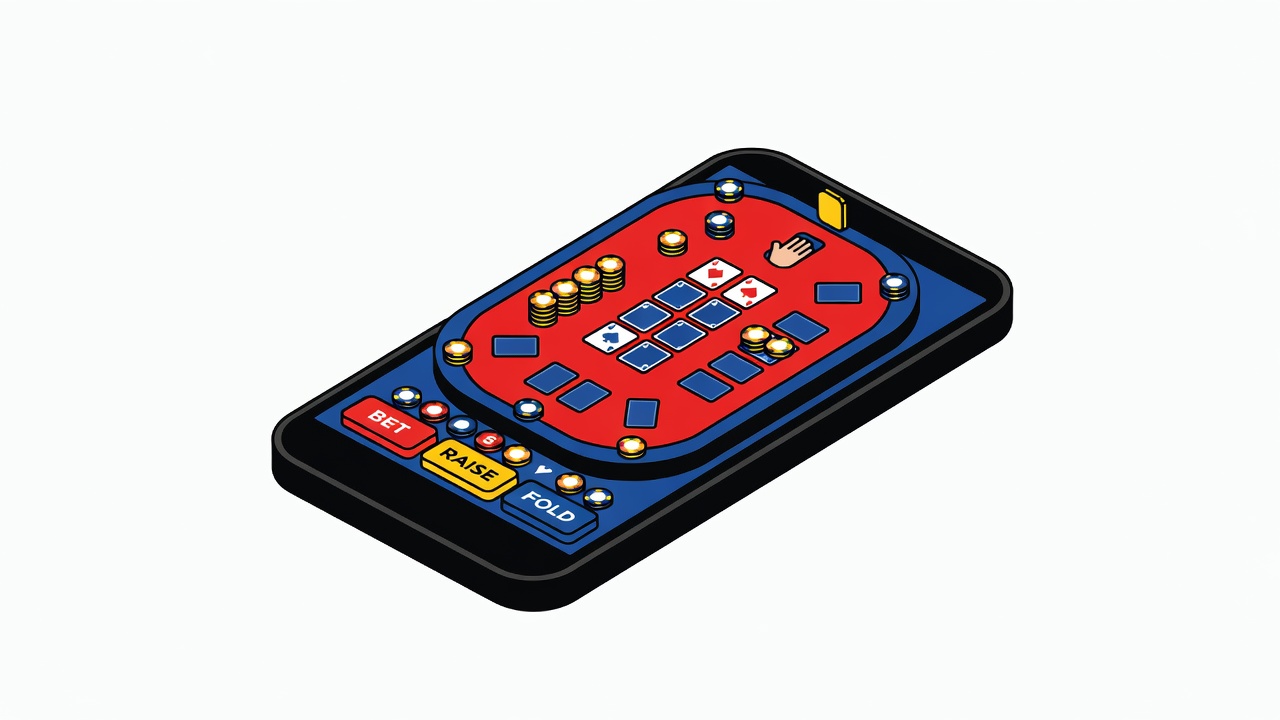
You open the app. The table loads. The tiles arrange themselves on your screen: the dealer in the center, the chat on the right, the betting interface below. Everything is optimized for portrait orientation. Nothing wastes space. The dealer is always visible. The bets are always accessible.
This is fundamentally different from desktop live casino. On desktop, you have breathing room. The table is large. You can see every detail. On mobile, the table is compressed. The dealer's face is three inches tall. The cards are the size of postage stamps. You have to look closely to see what is dealt.
The Engagement Density
Mobile forces focus. The desktop player can multitask. They can check email. They can watch another stream. They can be partially present. The mobile player has the game in front of them, filling their entire field of vision. The game demands attention.
Operators know this. They optimize the mobile experience for engagement. The chat is always visible. Your balance is always visible. The countdown timer for the next hand is always there. Everything that matters is within your current view. You cannot escape it.
The notification ecosystem reinforces this. A phone vibrates. A notification says your bonus is about to expire. Your favorite table is opening. Your favorite dealer is now live. The game follows you.
The Technical Constraints
Bandwidth matters on mobile in ways it does not on desktop. The video stream has to be efficient. The resolution might be lower than desktop. The frame rate might drop. You are playing at 24 frames per second instead of 60.
What this means in practice: the shuffle is harder to see. The card deal is less fluid. The wheel spin is choppier. The game feels slightly less premium than the desktop version. But the tradeoff is that it works on a 4G connection. The game is portable.
The dealers know they are being watched on small screens. Some dealers adjust their dealing speed. They slow down slightly. They hold the cards closer to the camera. They articulate their words more clearly, knowing that some players cannot see the table clearly.
The Behavioral Shift
Mobile players play differently than desktop players. They make decisions faster. They spend less time studying the table. The session length is shorter, but the wagering frequency is higher. You are spinning more often because the next decision is always immediately available.
This is not an accident of mobile design. This is a feature. The compressed view and the continuous availability create a rhythm that favors rapid play. A mobile player in a thirty-minute session might spin ten times per minute. The same player on desktop might spin five times per minute.
The house wins through volume. The edge is the same. But the volume on mobile is double.
The Social Element
Chat on mobile is different from chat on desktop. The chat window is smaller. Fewer messages are visible. The conversation moves faster. Players type quicker messages. The tone is less conversational and more transactional.
Dealer interaction suffers slightly. The dealer has a harder time spotting and responding to individual chat messages on mobile because there are more of them, and they are arriving faster. The dealer becomes more automated. Hello, thank you, come back soon.
Some operators have adapted by creating mobile-specific chat experiences. Emojis, quick-response buttons, preset messages. These are designed to maintain social engagement within the constraints of the small screen.
The Addiction Vector
Mobile is more addictive than desktop. This is not subjective. It is measurable in session length, in play frequency, in day-over-day retention. The phone is always with you. The game is always accessible. The friction between desire and action is lower.
A player who wants to play a hand of live blackjack on desktop has to walk to their computer, sit down, open the browser. A mobile player pulls out their phone. No friction. Just access.
Operators optimize heavily for this. The mobile experience is simpler, faster, more immediately rewarding. Everything is designed to reduce friction and increase engagement. This is not malicious. This is the business model.
Next notes
More from #live-tables
Live Casino Hold'em Strategy: When to Call and When to Fold
Live Casino Hold'em is fundamentally different from traditional poker because you have perfect information about dealer strength. Understanding this transforms the entire decision tree.

Random Number Generation vs Live Dealers: Fairness Compared
A gentleman from Stuttgart played both live and RNG blackjack in the same evening. By three in the morning, his impressions of fairness had inverted twice.

Immersive Roulette: How Camera Angles Changed Live Play
The Resorts had a money wheel in 1978, and they filmed it with one camera from above. Evolution Films it from eight angles. The difference in the experience is architectural.
Dream Catcher: The Money Wheel That Started It All
Dream Catcher is often credited as the first live wheel game. Testing this claim methodically reveals it was actually the first one executed well enough to matter.
Which Studios Run the Best Live Dealer Tables
One might ask: what distinguishes a good casino from a bad one when the house always profits. Perhaps the answer lies in how the house profits and what it asks of the player.

How Optical Character Recognition Powers Live Dealer Games
Every card the dealer touches gets read instantly. OCR is the invisible machine that turns physical cards into game state.